Engineering blog
How sensors work, how to choose them and how to wire them, written by DWIN engineers.
PT100 vs NTC temperature sensors: RTD or thermistor, and when to use a transmitter
PT100 and PT1000 RTDs vs NTC thermistors: range, accuracy, linearity and wiring, and when a 4 to 20 mA temperature transmitter is the better choice.
How do mmWave radar sensors work? 24 GHz vs 60 GHz vs 77 GHz
How FMCW millimeter-wave radar measures distance, speed and angle, why bandwidth sets resolution, and where 24, 60 and 77 to 81 GHz radar sensors are used.
Ceramic vs diffused silicon vs sputtered thin film: pressure sensor technologies compared
How ceramic, diffused silicon, sputtered thin-film and MCS pressure sensors work and differ in media, overload, range and cost, with DWIN models.
How does an electronic pressure switch work? Set point, reset point and outputs
How an electronic pressure switch measures, compares and switches: set and reset points, hysteresis and window modes, NO and NC, relay or PNP outputs.
Wireless pressure sensors: LoRaWAN vs NB-IoT vs Bluetooth vs Zigbee vs cellular
How LoRaWAN, NB-IoT, Bluetooth, Zigbee and GPRS or CAT.1 compare for wireless pressure sensors: range, battery life, infrastructure and data cost.
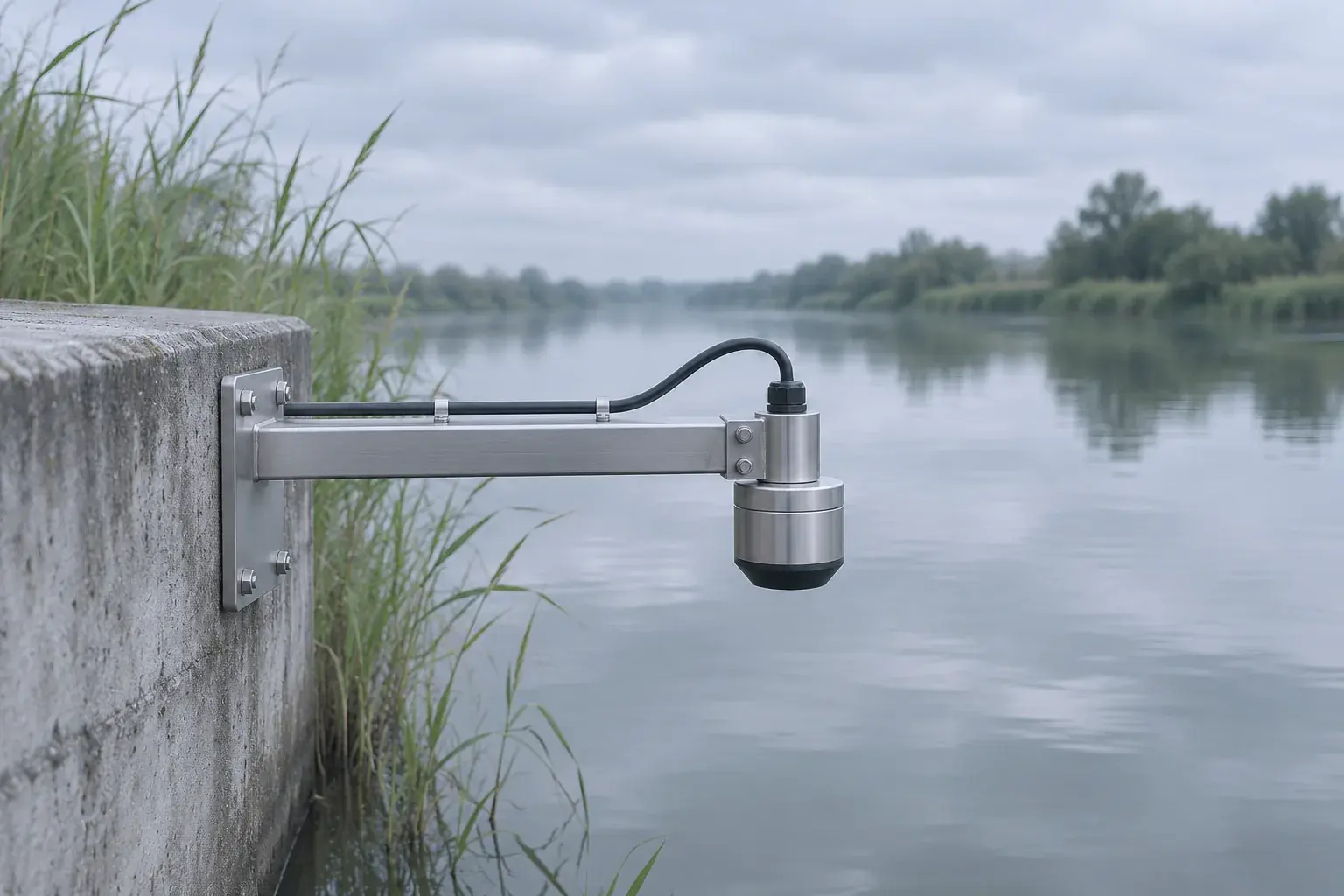
Water level sensor types compared: ultrasonic, submersible, float and capacitive
Ultrasonic, external ultrasonic, submersible, float and capacitive water level sensors compared, and which suits tanks, wells, manholes and rivers.
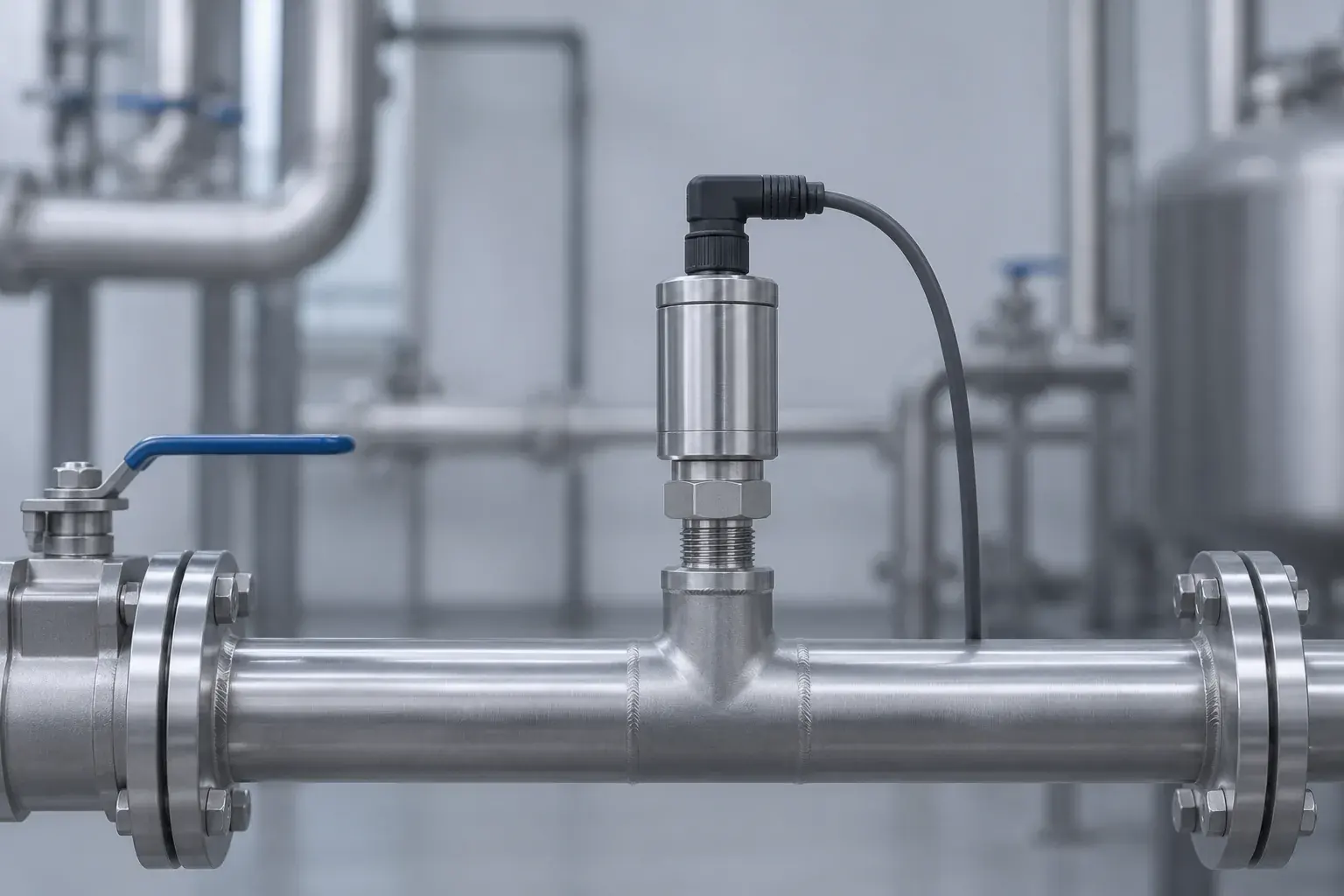
What is a differential pressure transmitter? How DP measurement works
How a differential pressure transmitter measures the difference between two ports, its use for filters, flow and closed-tank level, and how to install it.
How does a submersible level transmitter work? Hydrostatic level measurement explained
How a submersible hydrostatic level sensor turns water pressure into level, why the cable is vented, how density changes it, and how to install one.
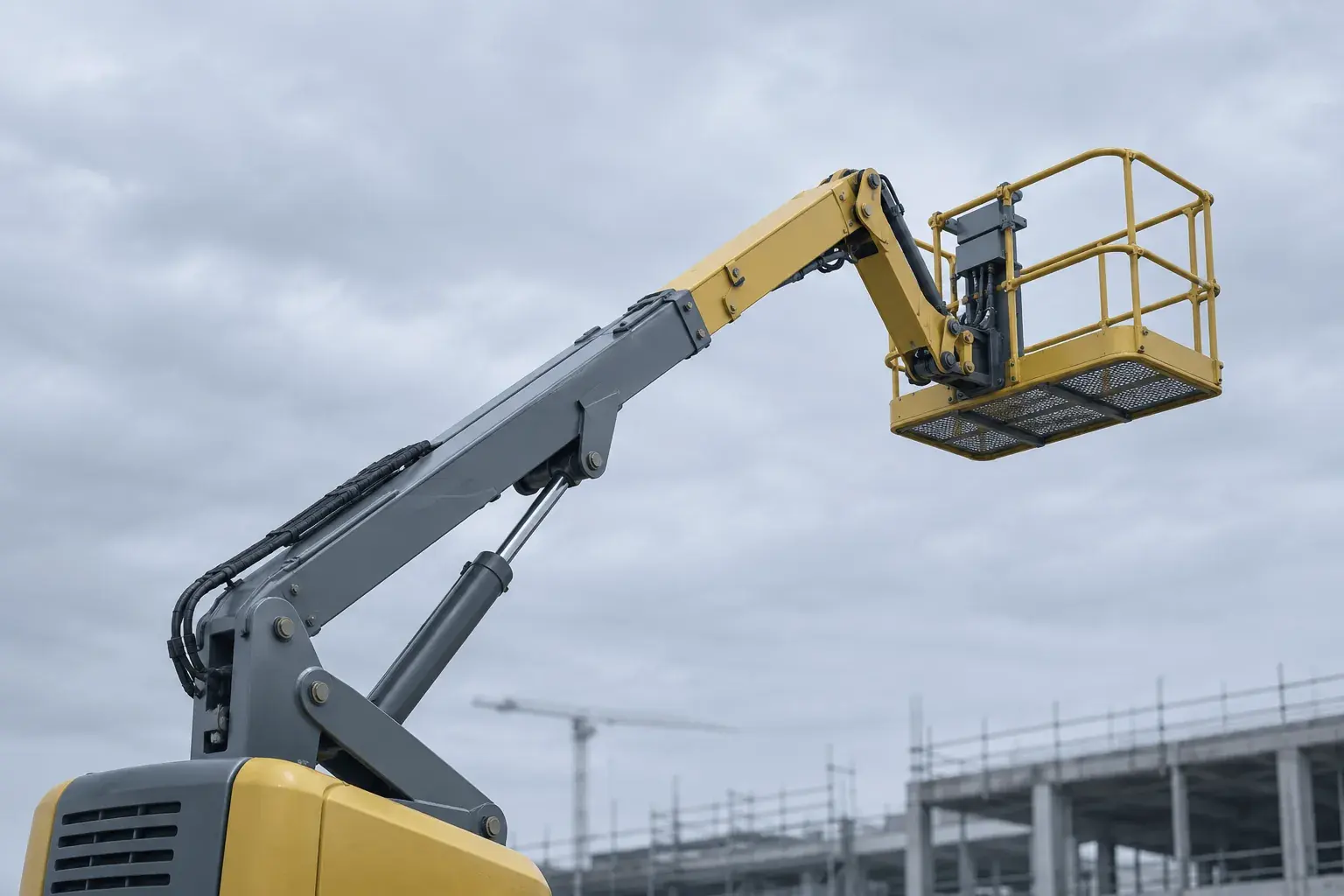
Accelerometer, inclinometer or IMU: which motion sensor do you need?
What accelerometers, inclinometers (tilt sensors), gyroscopes and IMUs each measure, how they differ on static and moving platforms, and how to pick one.
Parking sensors explained: ultrasonic PDC, radar and cameras
How ultrasonic parking sensors (PDC) measure distance to obstacles, where radar and cameras fit in, and what to check when specifying them.
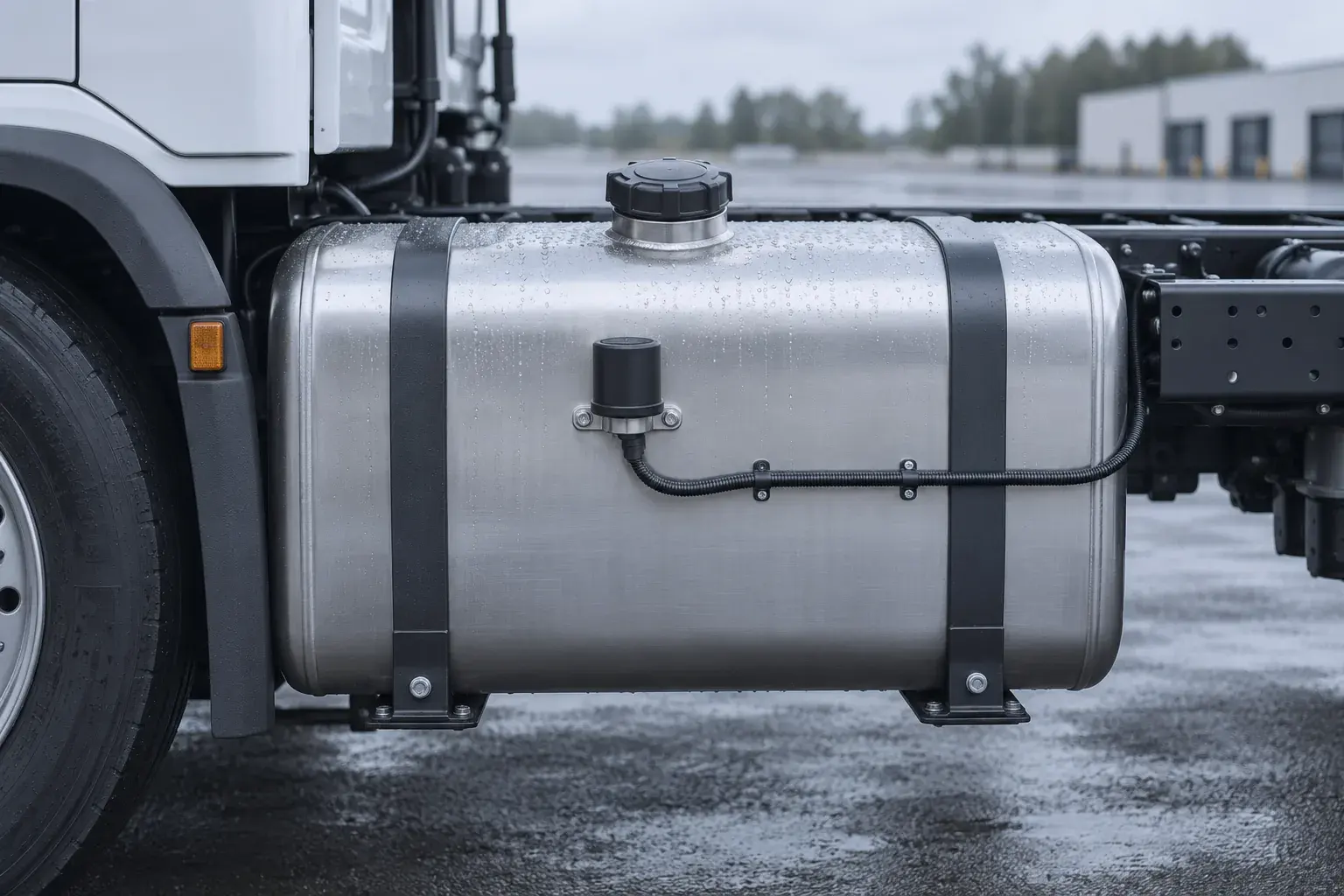
Fuel level sensors compared: ultrasonic, float, capacitive
How float senders, capacitive probes and ultrasonic fuel level sensors work, what affects accuracy, and which suits vehicle and storage tanks.
Pressure switch vs pressure transmitter: which one do you need?
A pressure switch turns an output on or off at a set point; a transmitter reports pressure continuously. When to use each, and when one does both.
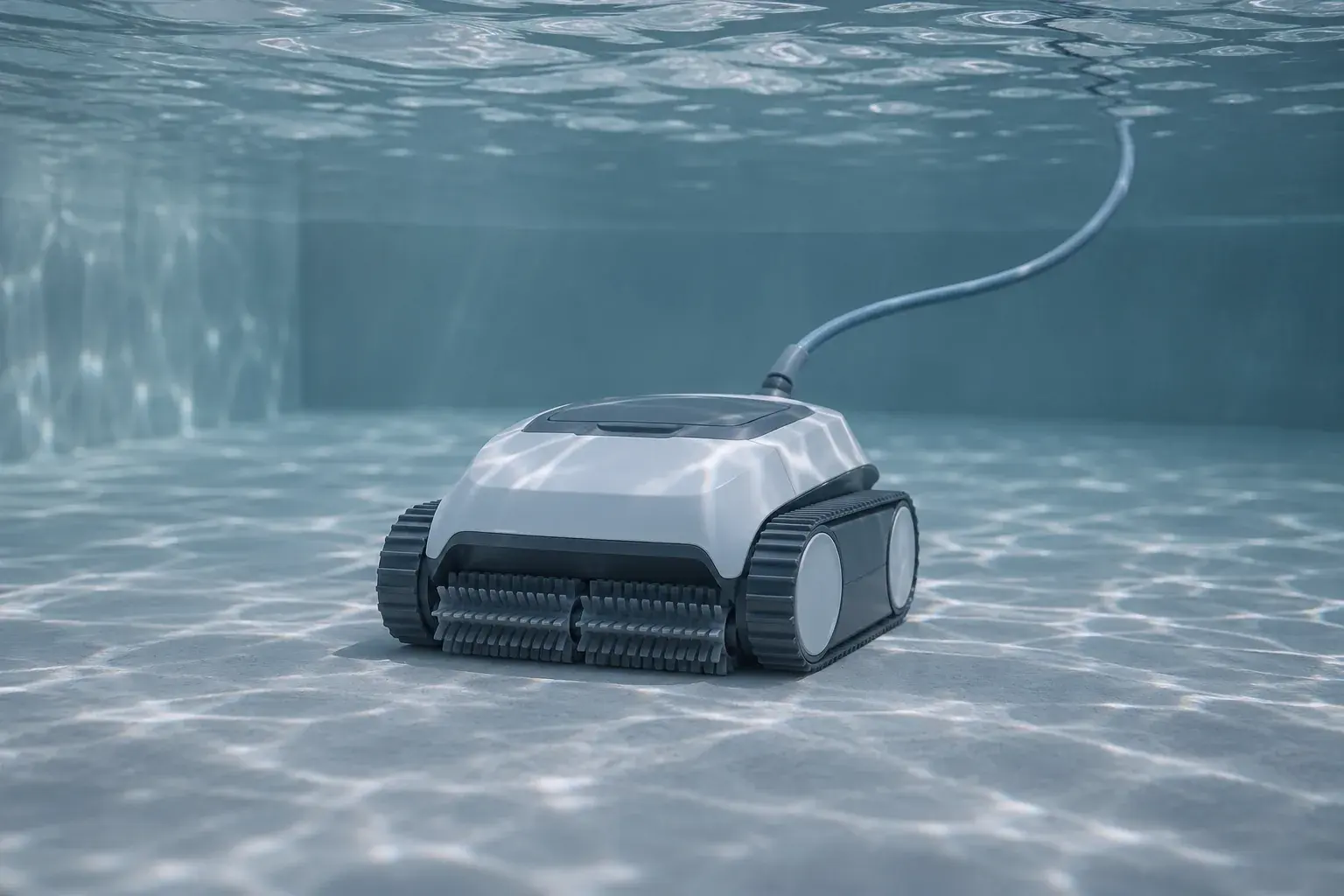
IP67 vs IP68 vs IP69K: what sensor IP ratings mean
How to read IP codes for sensors, what IP67 and IP68 test, and which rating suits outdoor, underwater and wash-down installations.
UART, PWM, RS485, 4 to 20 mA: choosing a sensor output
What each common sensor output does, cable length limits, and which to choose for a microcontroller, a PLC or a long field cable.
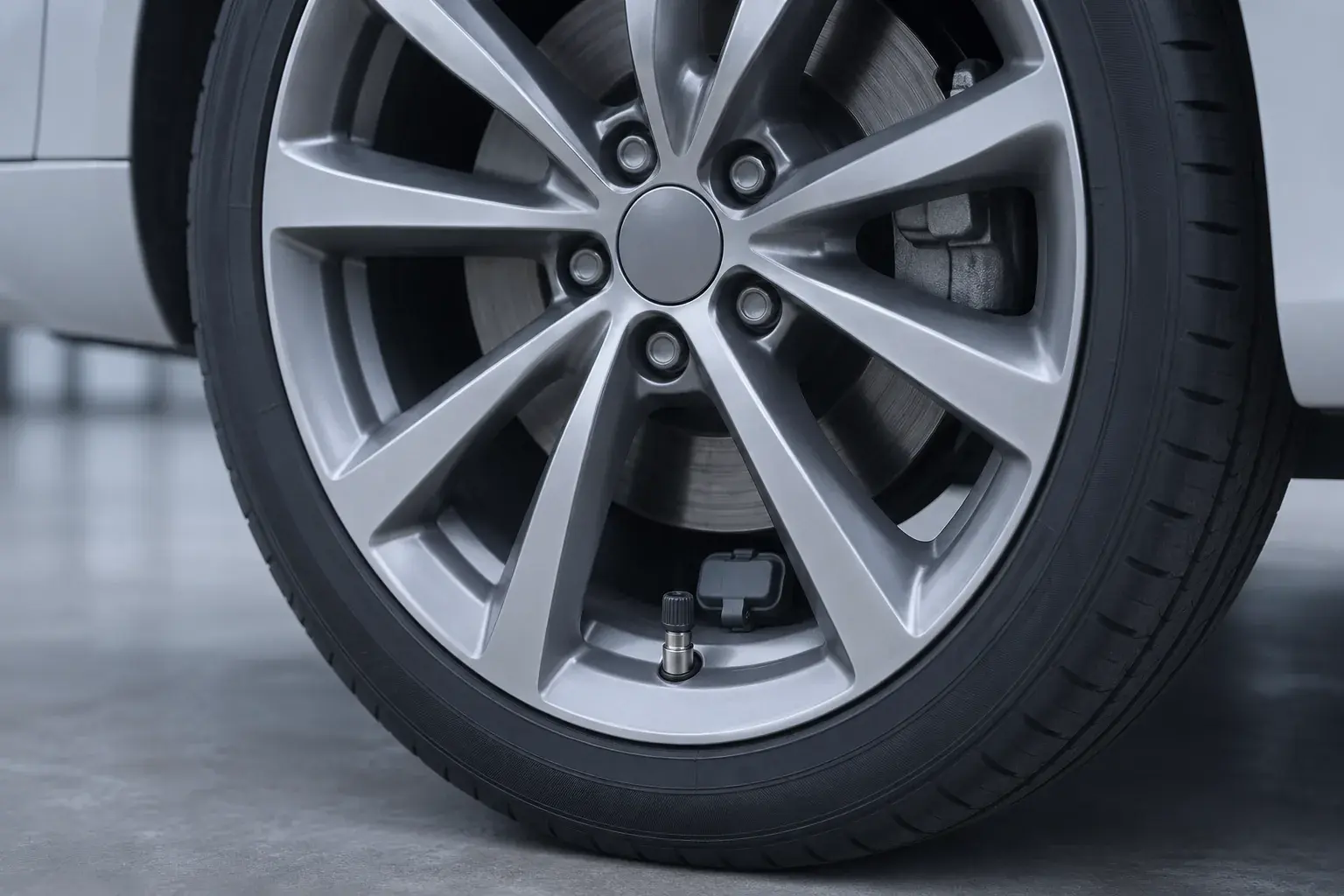
Direct vs indirect TPMS: how tire pressure monitoring works
How a TPMS sensor measures tire pressure and temperature, how indirect systems infer it, and what to check in a TPMS kit.
Measuring tank level with ultrasound, from above or from outside
Top-mounted and externally mounted ultrasonic level sensors compared, with installation tips for water, fuel and waste bins.
How to choose a pressure transmitter
Pressure type, range, accuracy, output, process connection and materials: a checklist for specifying an industrial pressure transmitter.
Ultrasonic, laser or radar: choosing a distance sensor
A side-by-side comparison of ultrasonic, laser time-of-flight and mmWave radar sensors by range, beam, targets, environment and cost.
How does an ultrasonic sensor work? Range, blind zone and accuracy
Time of flight, blind zone, beam angle and temperature compensation: what decides the range and accuracy of an ultrasonic sensor.