Measuring tank level with ultrasound, from above or from outside
DWIN Engineering, , 6 min read
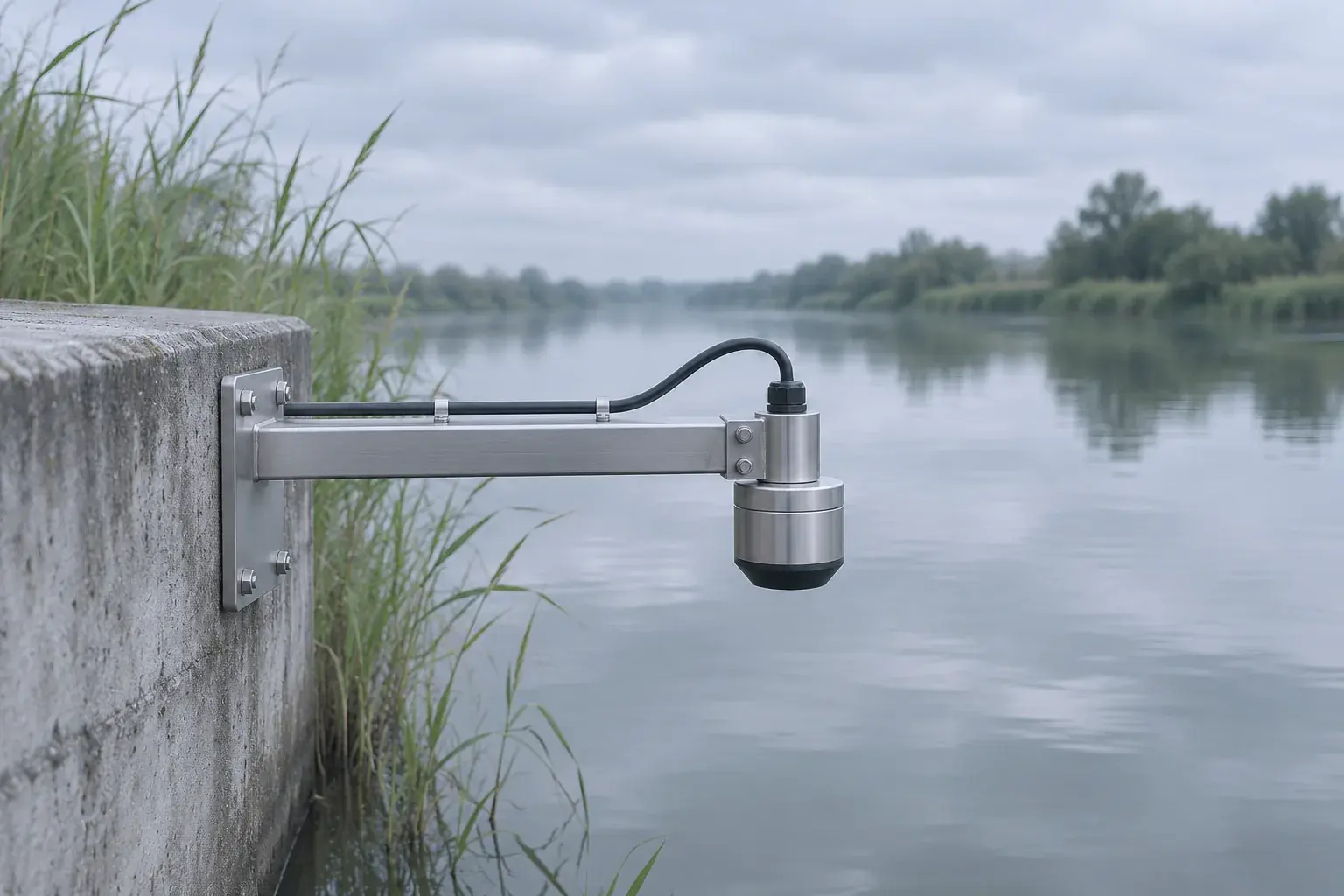
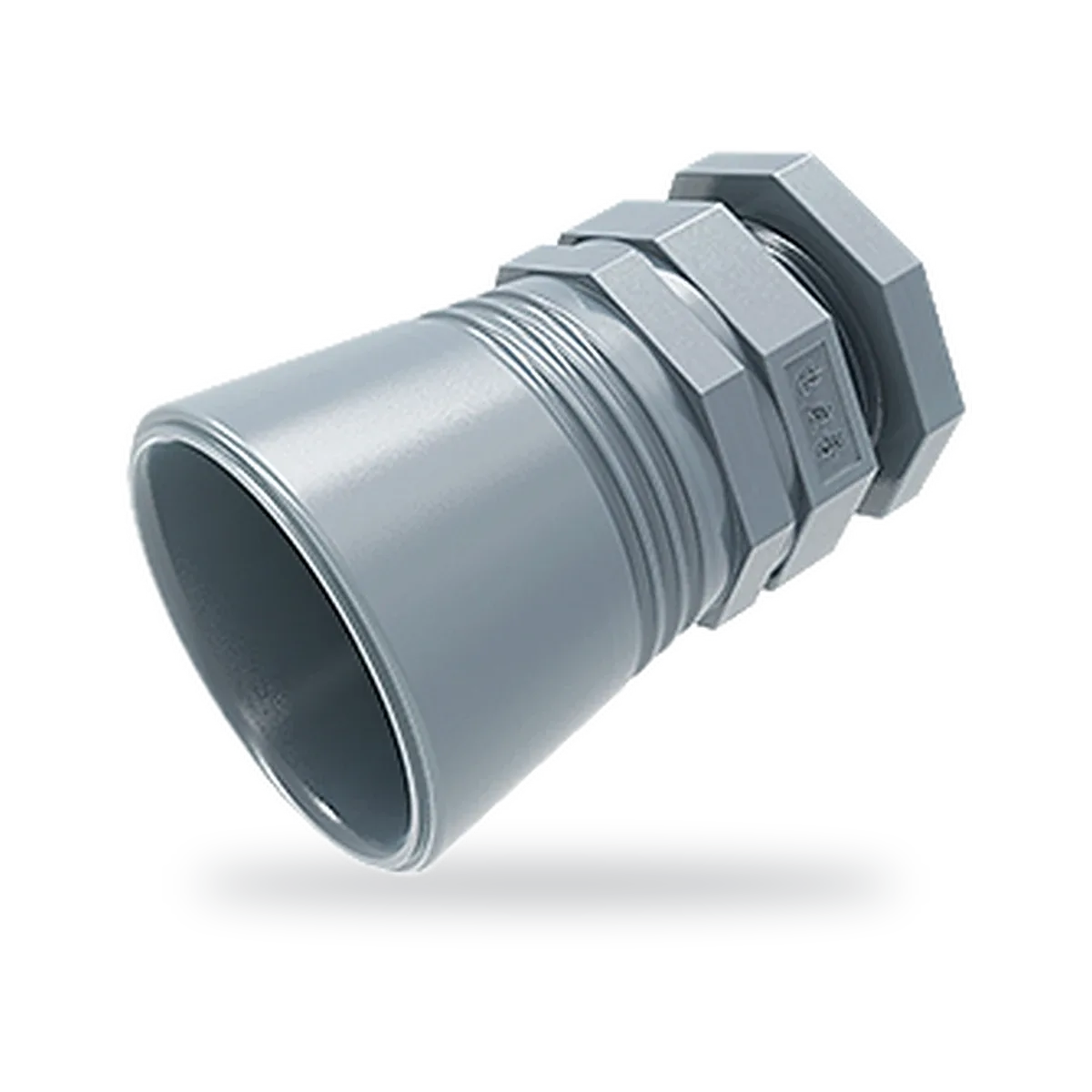
A top-mounted ultrasonic sensor measures the distance down to the liquid surface and subtracts it from the tank height. An externally mounted sensor is pressed against the outside of the tank bottom and measures the liquid column through the wall, so the tank is never opened or drilled.
Top mounting
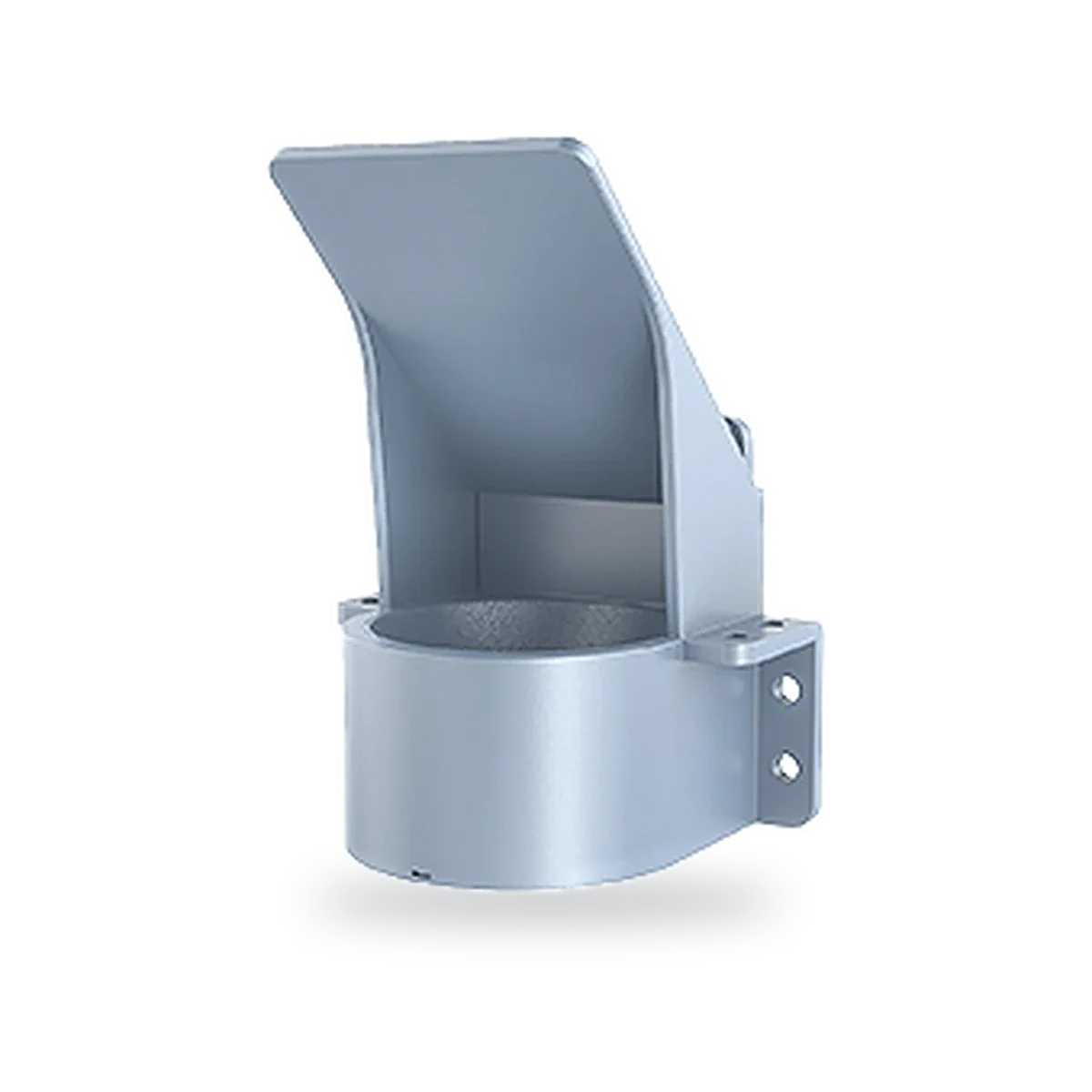
Mount the sensor vertically above the liquid, away from the inlet stream, ladders and the tank wall, so the beam reaches only the surface. Keep the full-tank level outside the blind zone. Foam, heavy condensation and strong vapour weaken the echo; a narrow-beam sensor helps in tall, narrow tanks.
External mounting through the wall
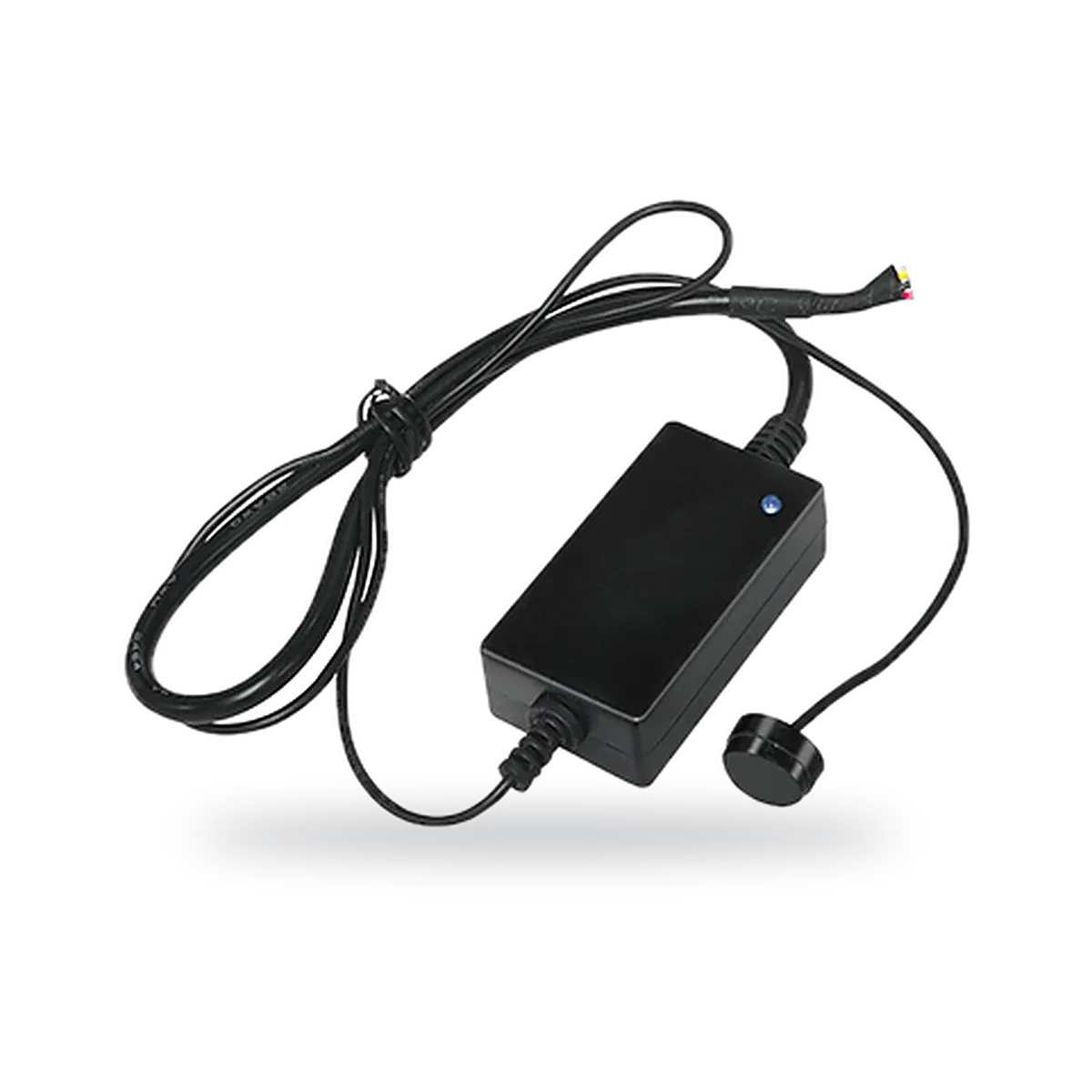
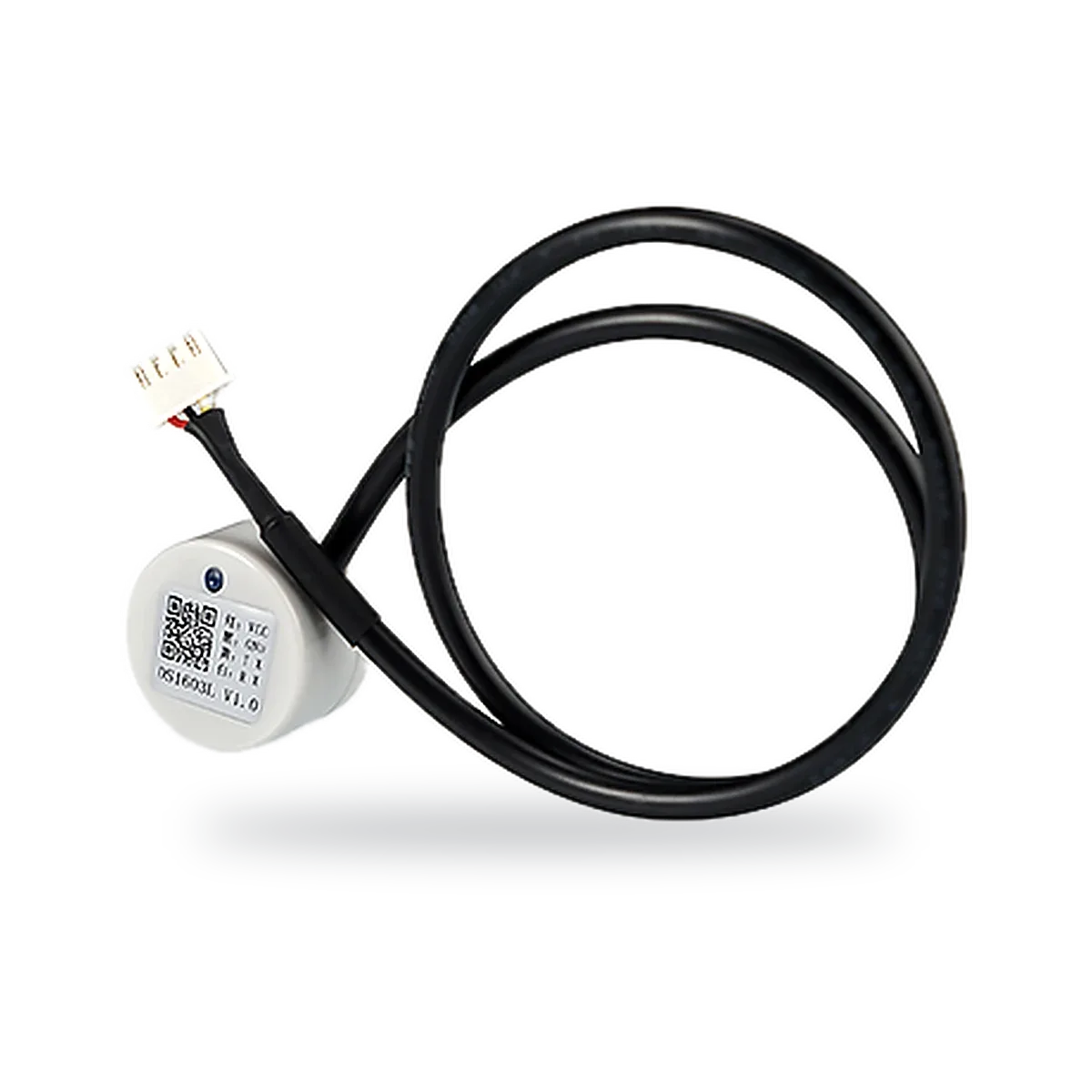
An external sensor couples ultrasound through the tank bottom with a coupling pad or gel. The pulse travels up through the liquid and reflects off the surface. Because nothing touches the contents, it suits sealed, pressurised and hazardous tanks such as LPG cylinders, fuel tanks and chemical containers. The wall must be solid, and the liquid must carry sound well.
Waste bins and solids
Fill-level sensors under the bin lid measure the distance to the waste and report percent full over a low-power network. Uneven heaps reflect sound irregularly, so sensors average several readings and use a wide beam.
Alternatives
- Submersible pressure level transmitters, when the tank can take a probe and foam or vapour block ultrasound
- Radar level sensors for very tall silos and difficult vapours
- Float switches for simple high and low alarms
Remote tank monitoring
A level sensor becomes a remote tank monitor once its reading is sent over a network. A wireless level terminal such as DWIN's CS-iTLLS-05, which measures level by pressure, reports over LoRaWAN, NB-IoT or GSM/GPRS from water towers, ponds and tanks, so the level can be watched without a site visit. Wired sensors with RS485 or UART output connect to a PLC, telemetry unit or gateway instead.
Set alarms on two things: a low level that triggers a refill, and a sudden drop between readings, which points to a leak or theft.
Diesel and fuel tanks
Externally mounted sensors suit fuel because nothing enters the tank. DWIN's U02 fixes to a metal or plastic vehicle fuel tank with a magnet or adhesive and outputs RS232, RS485, 0 to 5 V or UART, and the U03 reads the level in fuel tankers over RS485. Where a tank holds petrol or another flammable liquid, check which hazardous-area approval the site requires before choosing any electrical sensor.
Frequently asked questions
What is an ultrasonic level sensor?
An ultrasonic level sensor measures the level of a liquid or solid by timing an ultrasonic echo from its surface. Mounted above the tank it measures the distance down to the surface; mounted under the tank bottom it measures up through the wall. It has no moving parts and does not need to touch the contents when mounted above or outside.
How thick can a tank wall be for an external ultrasonic sensor?
It depends on the sensor. DWIN's U02 works through metal or plastic walls of 0.5 to 5.0 mm and the U03 through 1.0 to 6.0 mm. The wall must be solid and well coupled to the sensor; double walls, foam insulation or air gaps block the signal.
Can an ultrasonic sensor measure water level in a well?
Yes, if the well is wide and straight enough that the beam reaches the water without echoes from the casing. DWIN's A07 (25 to 800 cm) and A17 (25 to 1,000 cm) are built for well and water-level measurement. In narrow or crooked boreholes a submersible pressure transmitter is more reliable.