Inertial sensors
Inertial sensors measure acceleration, rotation and tilt without an external reference. DWIN supplies MEMS accelerometers, angular rate sensors, tilt sensors (inclinometers), vertical gyroscopes and inertial measurement units for machines, vehicles, structures and platforms.
4 models
4 models
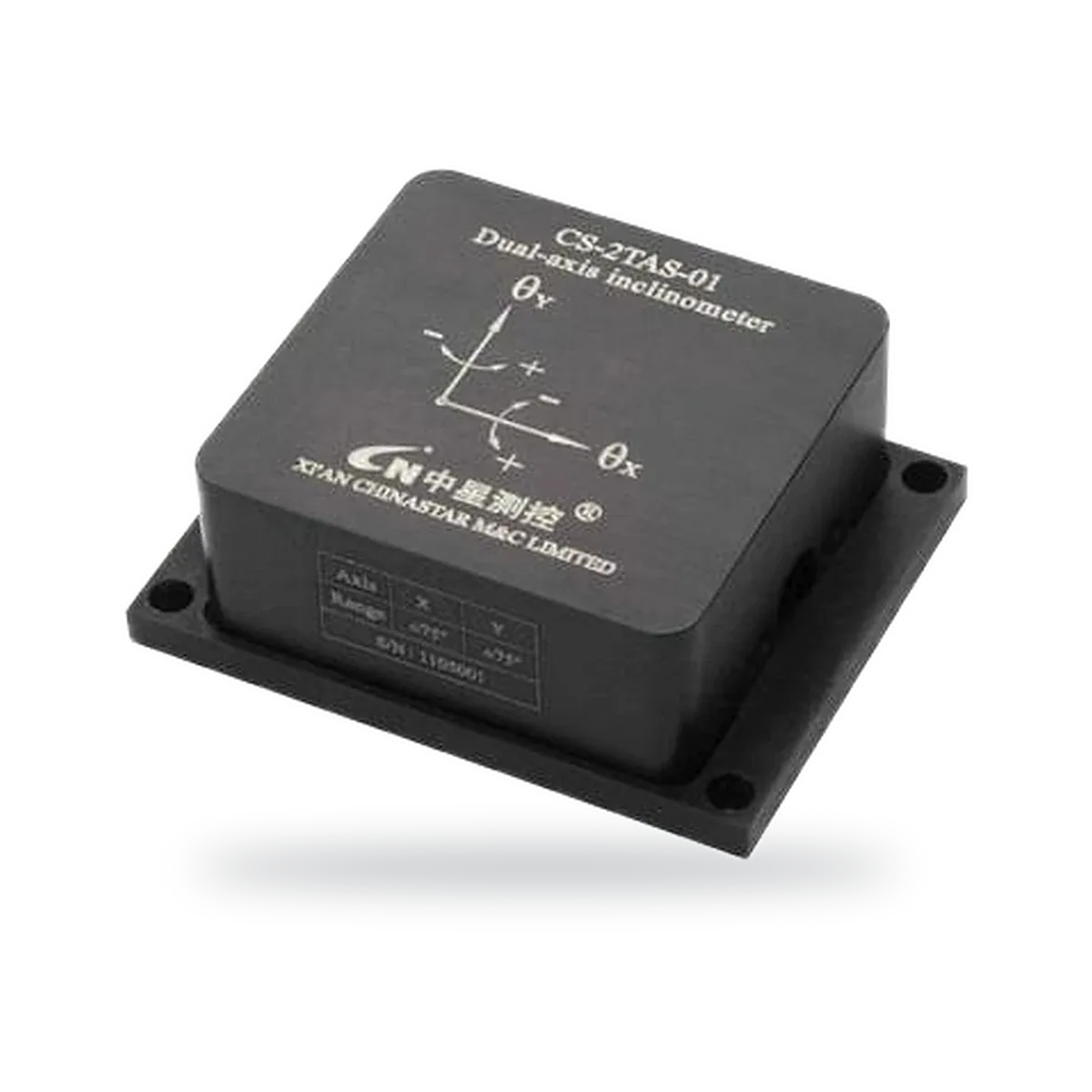
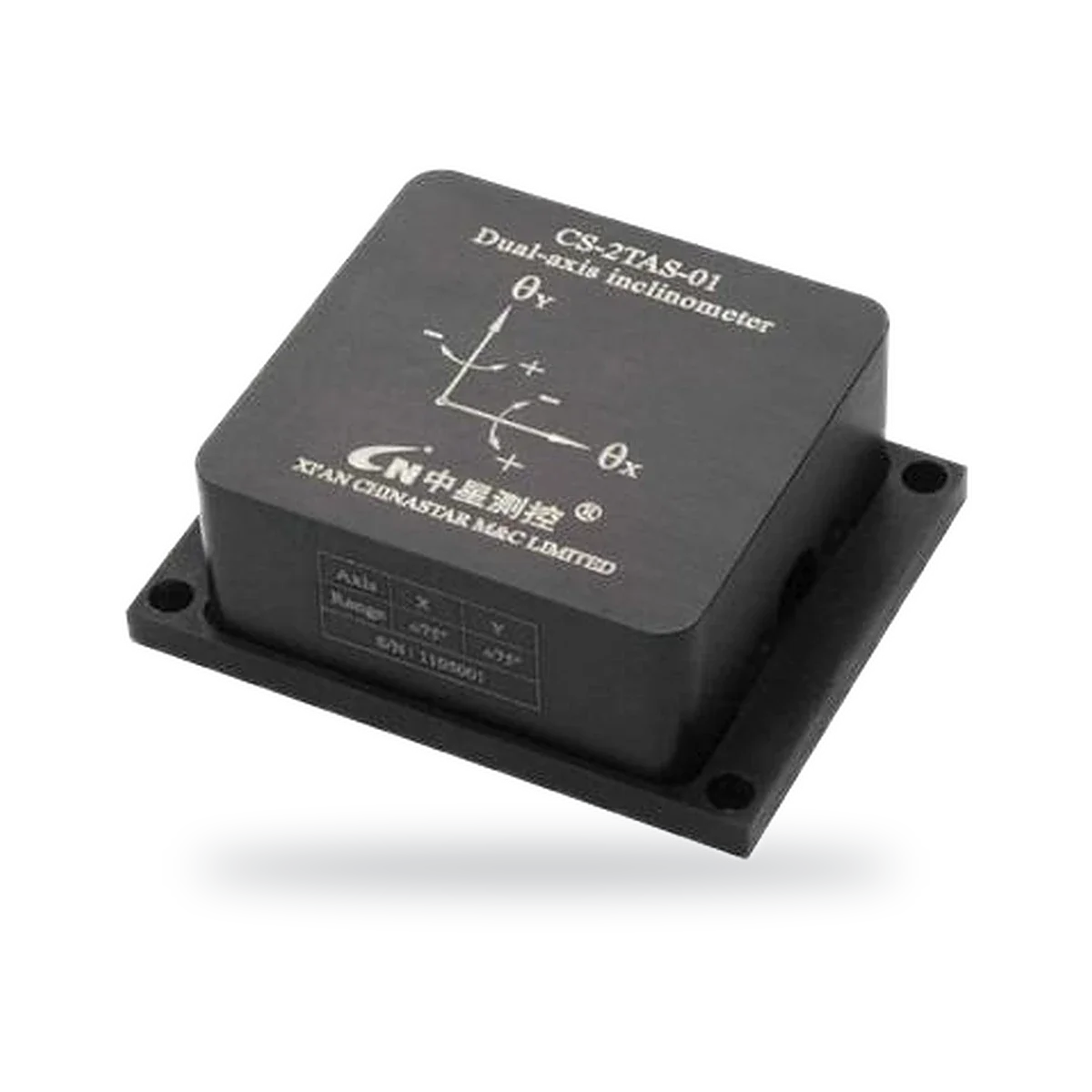
CS-2TAS-01A/B/D/F/G
Dual-Axis Inclinometer, Voltage, Current or Digital Output
- Output
- 0.5–4.5V, Voltage output
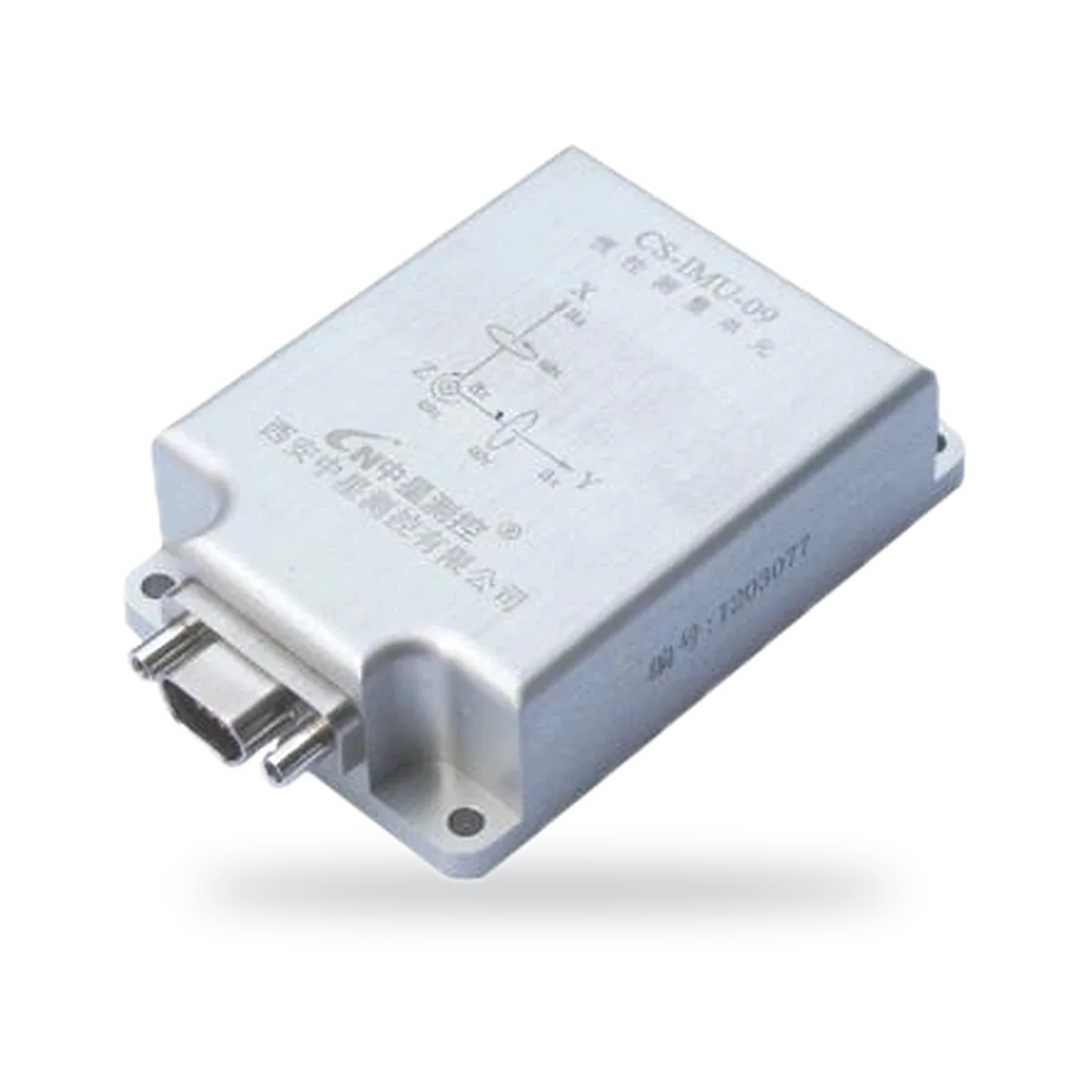
CS-IMU-09
Inertial Measurement Unit for Overhead Line Galloping
- Range
- ± 250 ° / s
- Output
- UART (TTL level)
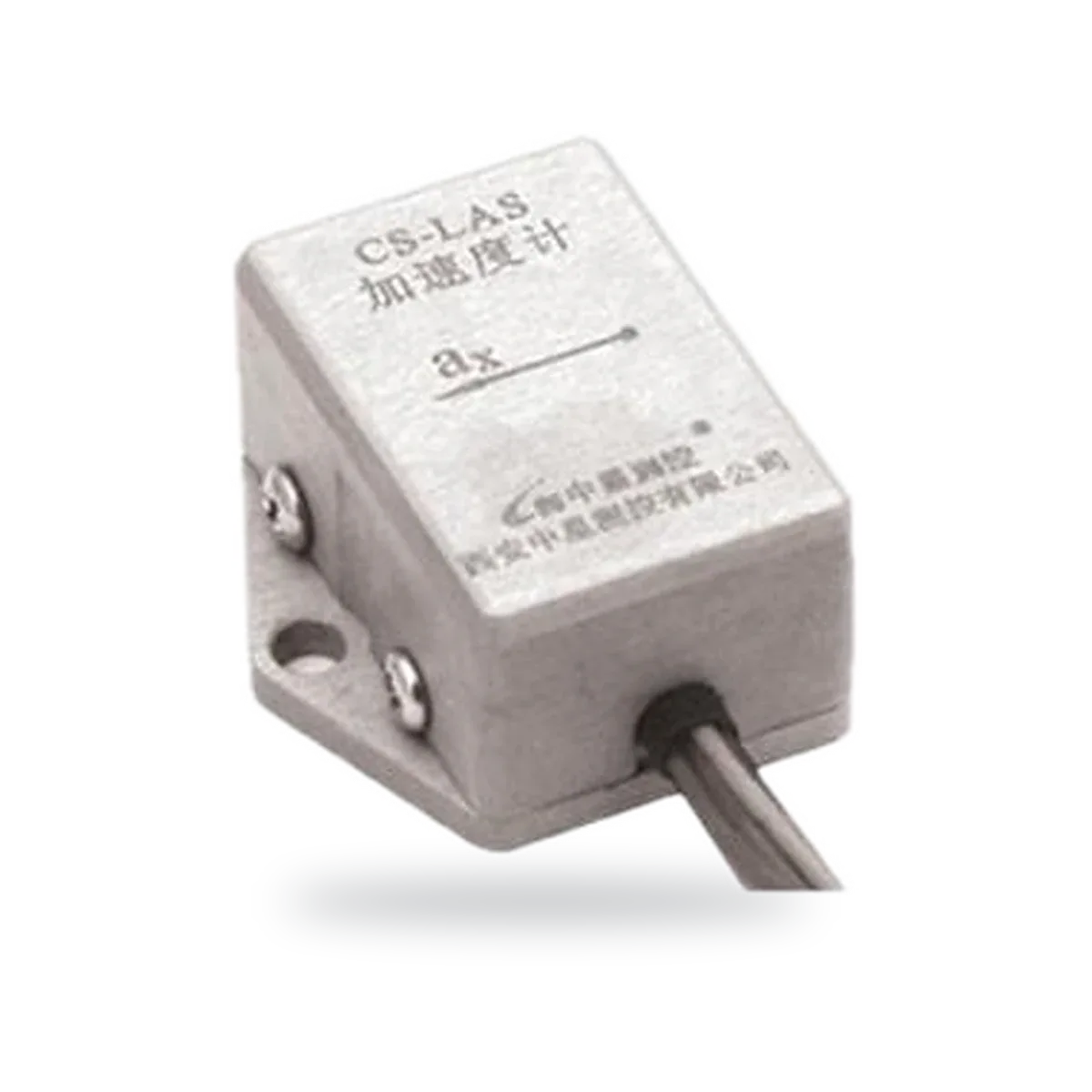
CS-LAS
Single-Axis Accelerometer, 0.5–4.5V Analog Output
- Output
- 0.5–4.5 V
- Supply voltage
- 5 ± 0.25 VDC
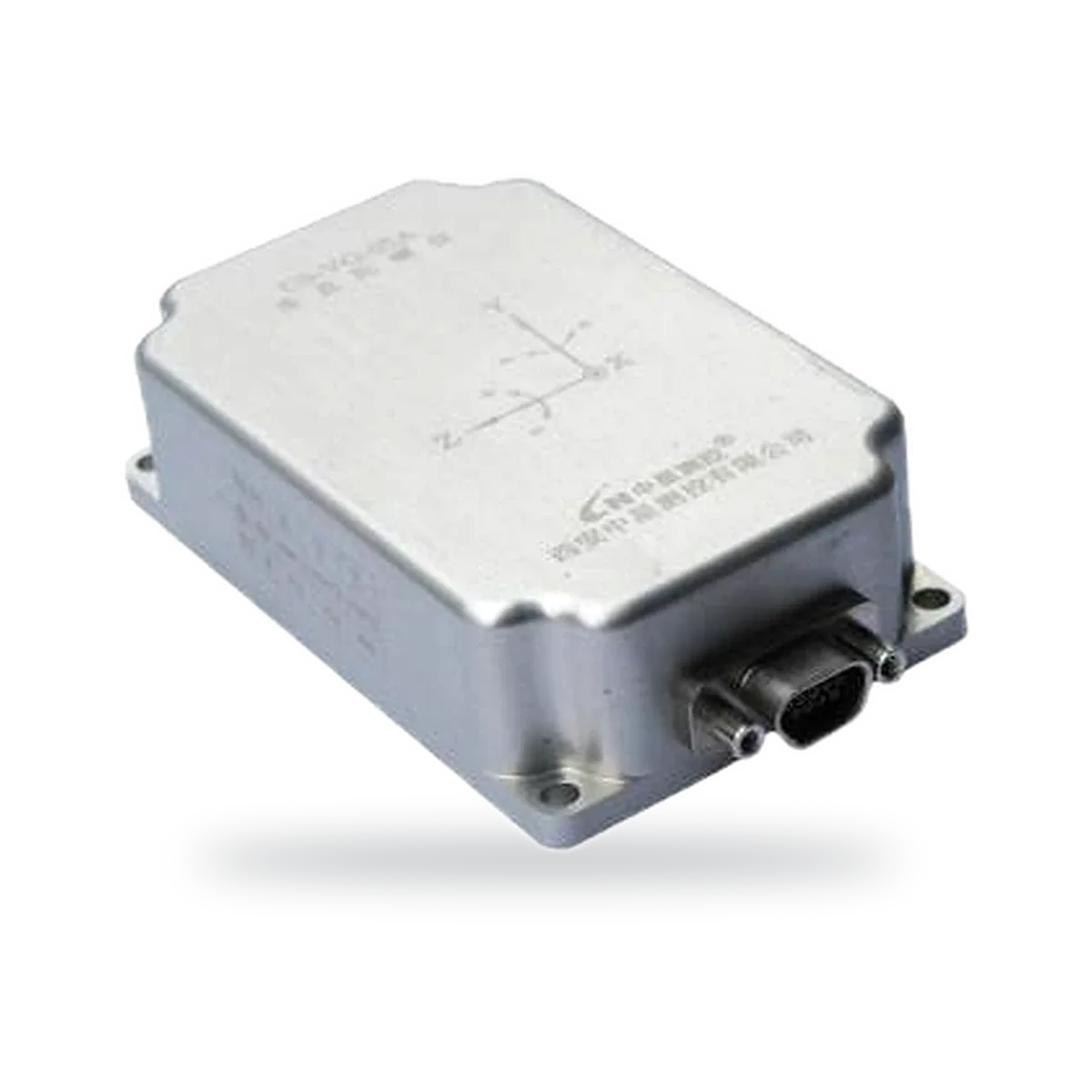
CS-VG-05
Vertical Gyroscope, RS422, Roll ± 180°, Pitch ± 90°
- Range
- ± 180 °
- Accuracy
- <0.8 °
Compare Inertial sensors
| Model | Output | Supply voltage | Range | Accuracy |
|---|---|---|---|---|
| CS-2TAS-01A/B/D/F/G Dual-Axis Inclinometer, Voltage, Current or Digital Output | 0.5–4.5V, Voltage output | |||
| CS-IMU-09 Inertial Measurement Unit for Overhead Line Galloping | UART (TTL level) | 3.3VDC | ± 250 ° / s | |
| CS-LAS Single-Axis Accelerometer, 0.5–4.5V Analog Output | 0.5–4.5 V | 5 ± 0.25 VDC | ||
| CS-VG-05 Vertical Gyroscope, RS422, Roll ± 180°, Pitch ± 90° | RS422 | 8–30VDC | ± 180 ° | <0.8 ° |
How it works
MEMS accelerometers measure the force on a tiny proof mass; at rest they sense gravity, which gives tilt. MEMS gyroscopes measure the Coriolis force on a vibrating structure to give angular rate. An IMU combines both on three axes and fuses them into attitude.
How to choose
- Quantity: acceleration, angular rate, tilt angle or full attitude
- Measuring range and resolution
- Number of axes
- Output: RS232, RS485, CAN, analogue, and the operating temperature
Frequently asked questions
What is the difference between a tilt sensor and an IMU?
A tilt sensor measures static inclination against gravity, usually on one or two axes. An IMU measures acceleration and angular rate on three axes, so it can track attitude while the platform moves.