Underwater sensors
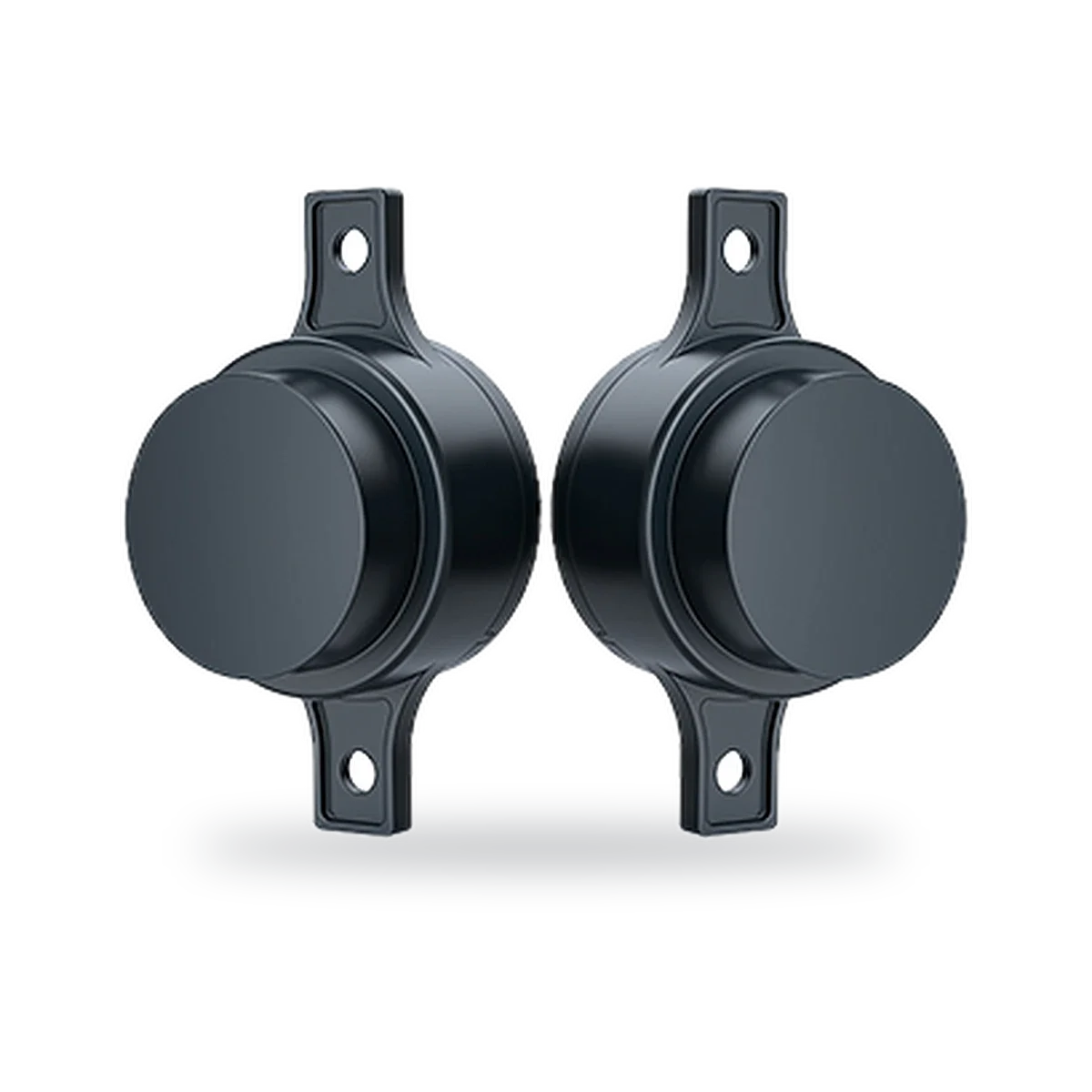
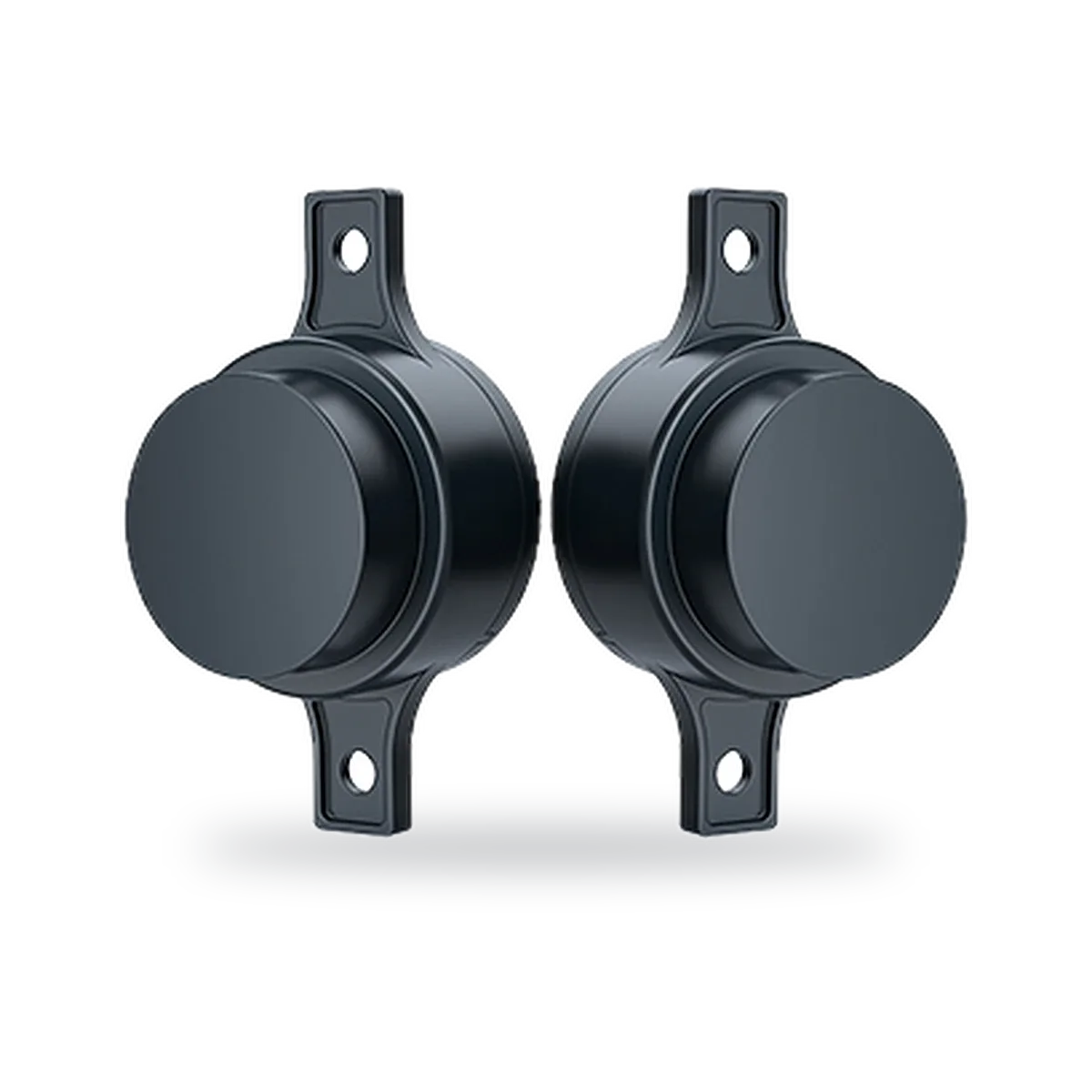
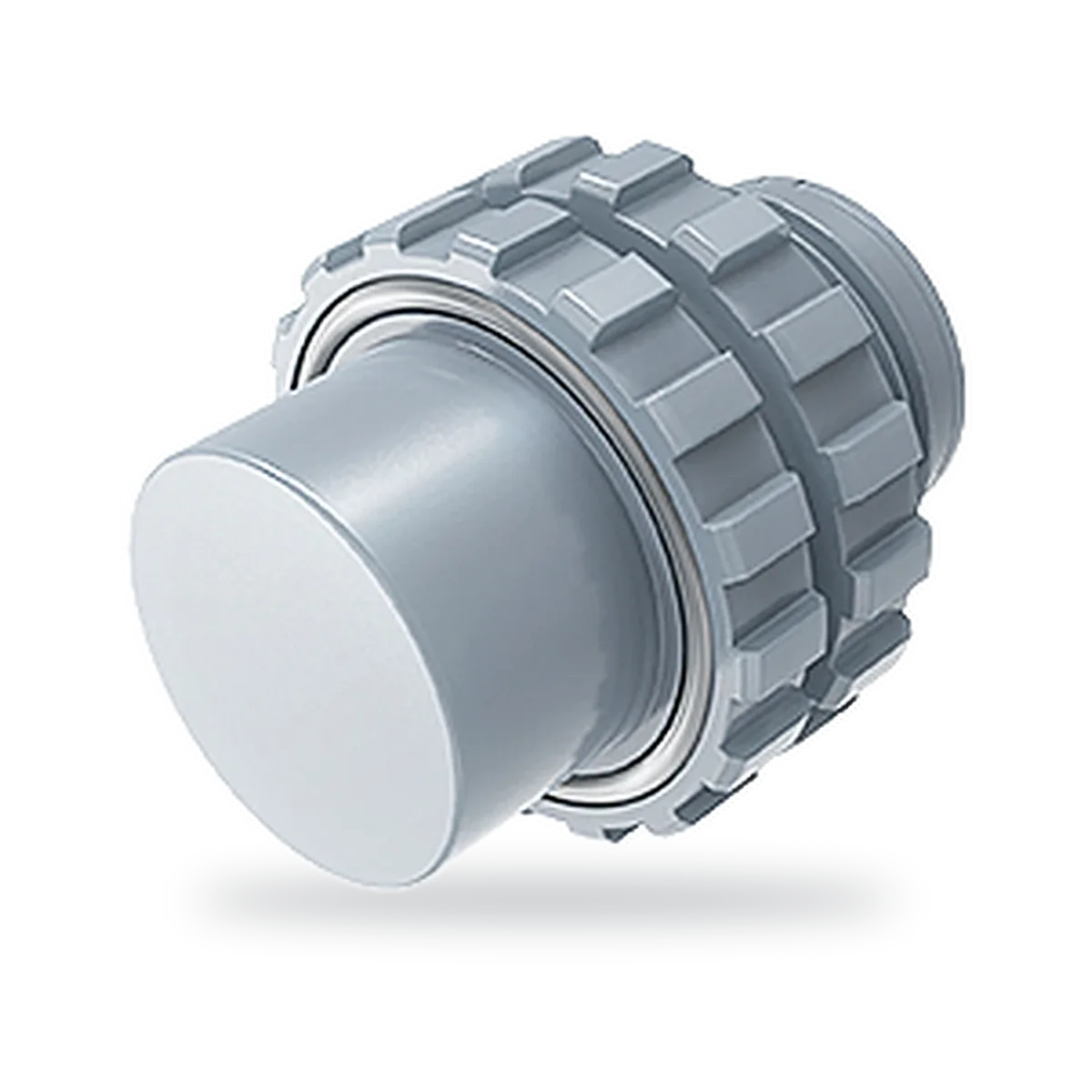
Sound travels well in water, which makes ultrasound the natural way to measure distance and send data underwater. DWIN builds underwater ranging sensors for pool robots and underwater vehicles, and acoustic communication modules that link devices without cables.
2 models
Compare Underwater sensors
How it works
Underwater ranging works like ultrasonic ranging in air, with the speed of sound in water, about 1,480 m/s. Acoustic modems modulate data onto an ultrasonic carrier so a submerged device can exchange commands and status with another module or a surface station.
How to choose
- Range and blind zone in water
- Depth and pressure rating of the housing
- Interface to your controller
- For communication: data rate, range and whether you need two-way links
Frequently asked questions
Why not use Wi-Fi or Bluetooth underwater?
Radio waves at Wi-Fi and Bluetooth frequencies are absorbed by water within centimetres. Acoustic signals carry much farther, so underwater devices use ultrasound to communicate.