Automotive mmWave radar
Millimetre-wave radar measures distance, speed and angle of objects around a vehicle, through rain, dust and darkness. DWIN builds door-opening obstacle avoidance radar, side blind-spot radar and forward-looking radar for cars and light electric vehicles.
2 models
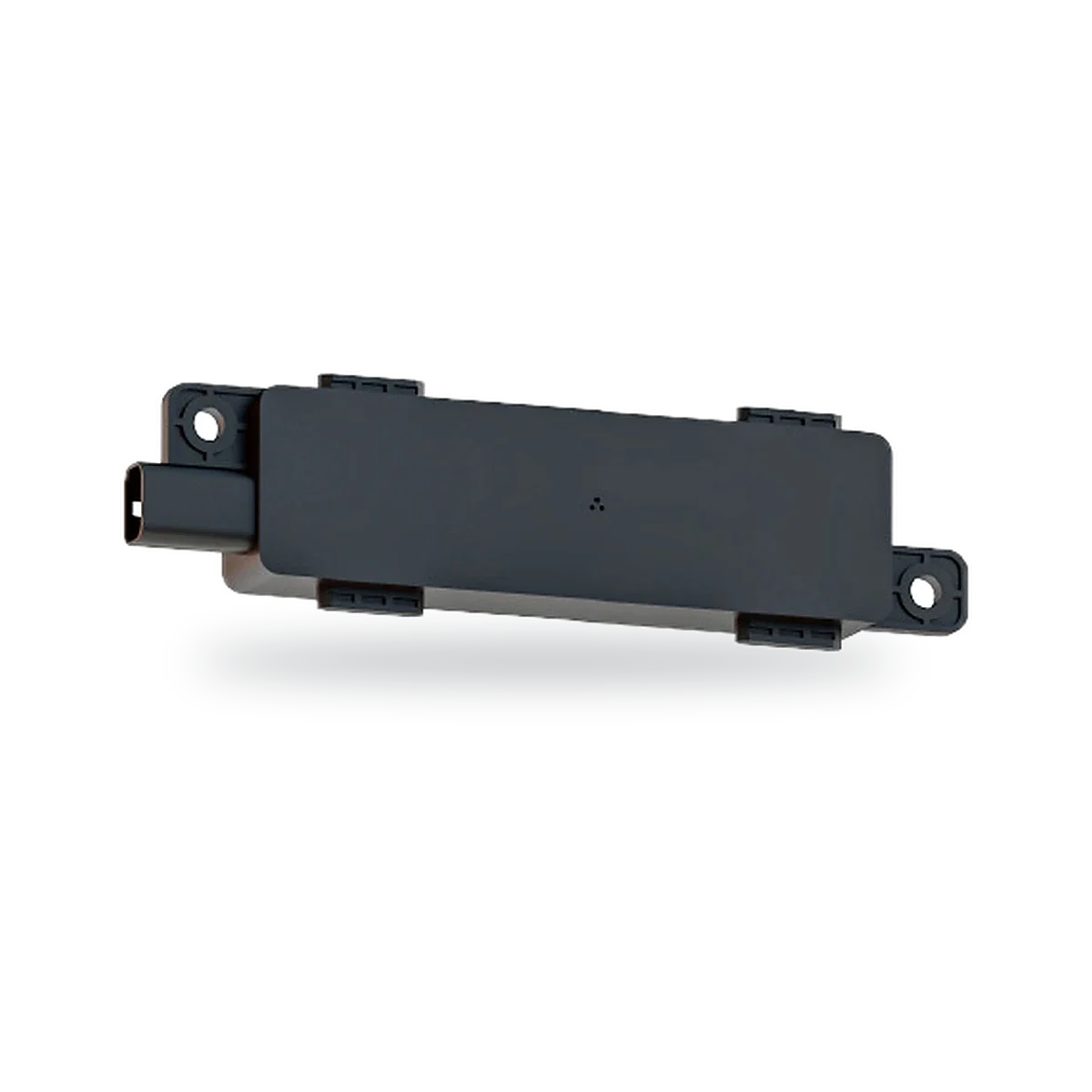
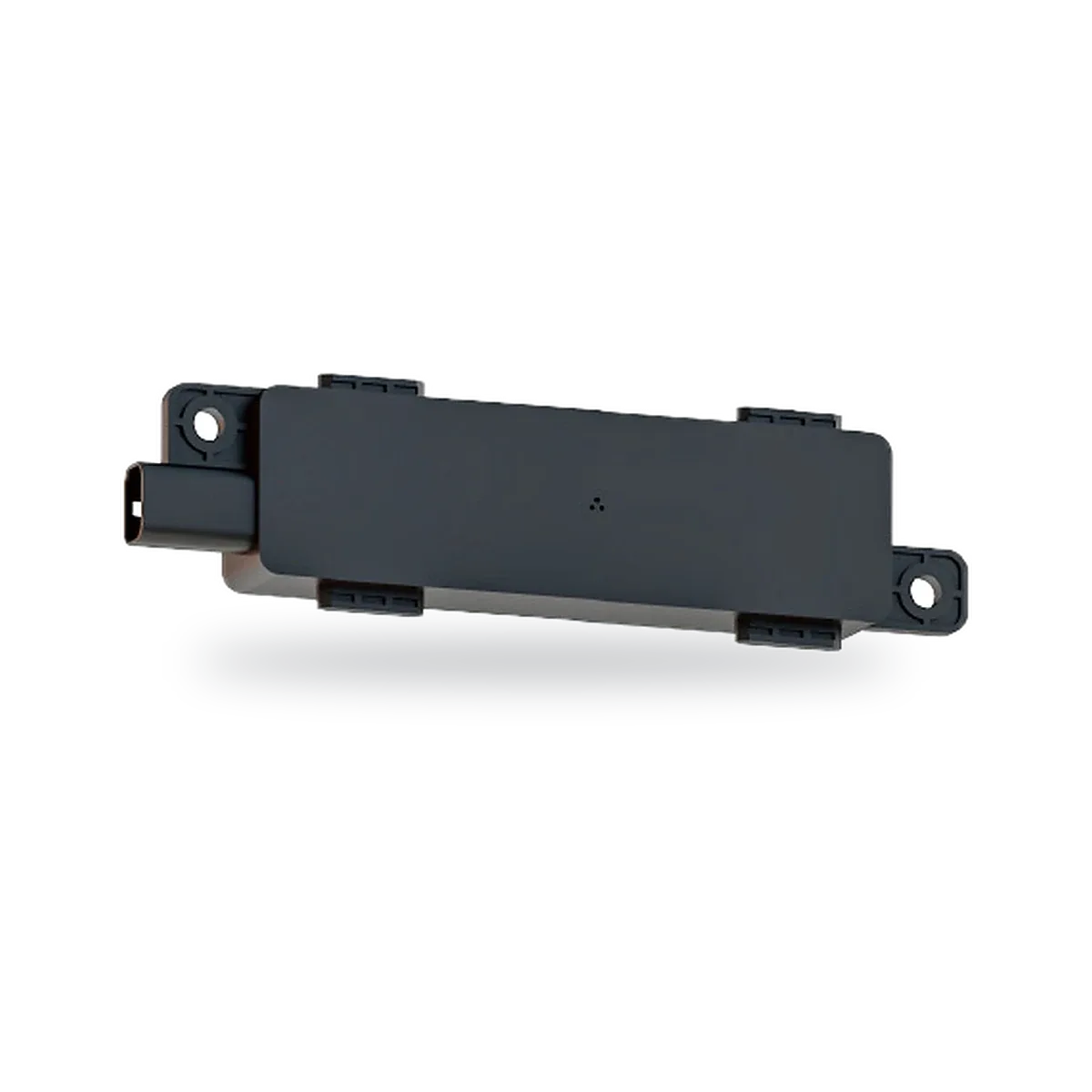
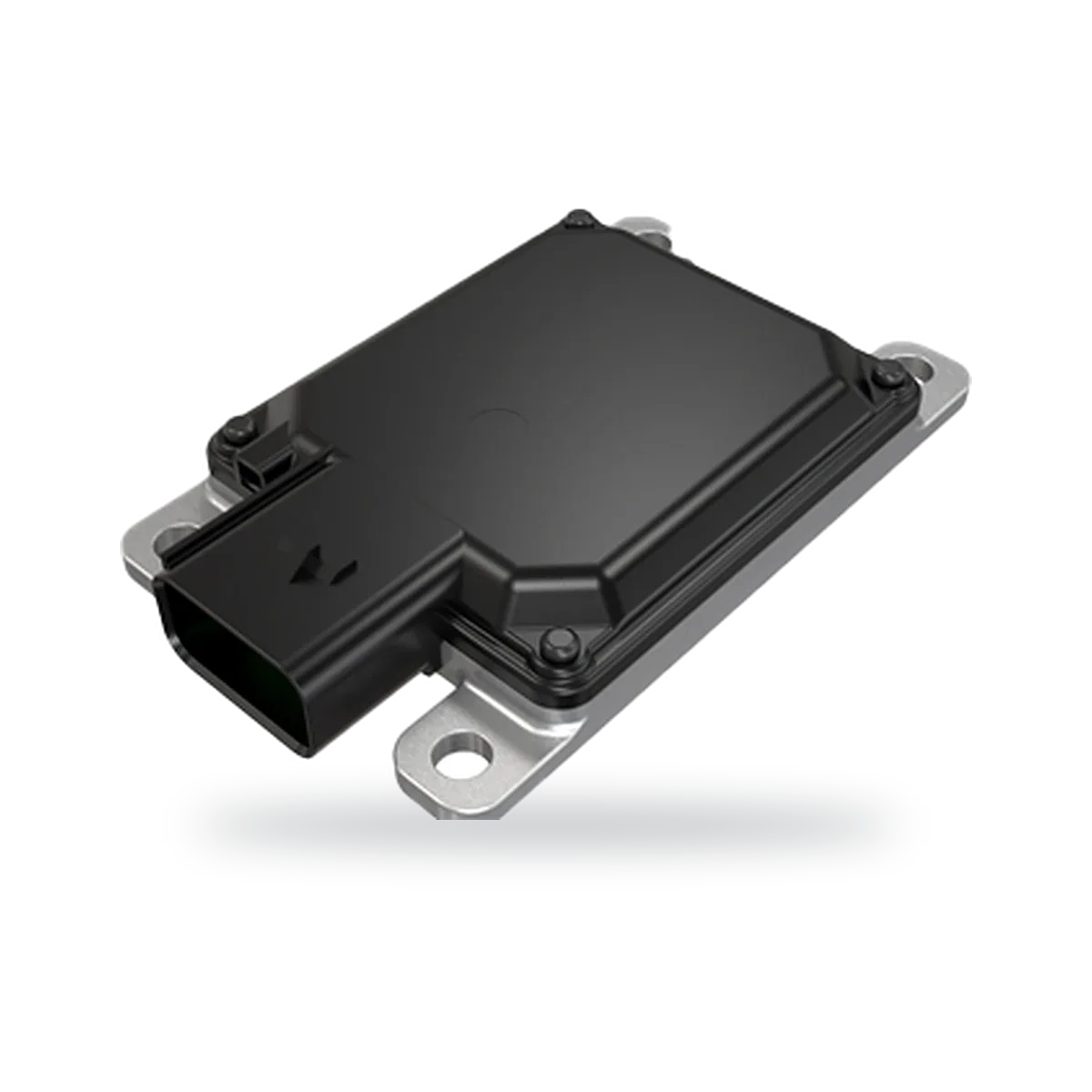
Compare Automotive mmWave radar
| Model | Range | Accuracy | Frequency | Supply voltage |
|---|---|---|---|---|
| 79GHz Door-Opening Obstacle Avoidance Radar | 0.04–4m | ±0.04m | 77GHz ~ 81GHz | 9V ~ 16V DC |
| Side Blind Zone Microwave Radar |
How it works
An FMCW radar transmits a frequency chirp in the 77 to 81 GHz band and mixes the echo with the transmitted signal. The beat frequency gives range, the phase change between chirps gives speed, and the phase difference between receive antennas gives angle.
How to choose
- Function: door opening warning, blind spot detection, lane change assist or forward sensing
- Field of view and maximum range for the mounting position
- Interface: CAN or CAN FD to the vehicle network
- Operating temperature and ingress protection for the location
Frequently asked questions
Why is 77 GHz used for automotive radar?
The 76 to 81 GHz band allows up to 4 GHz of sweep bandwidth, which gives centimetre-level range resolution, and its short wavelength keeps antennas small enough to hide behind a bumper or door panel.
Radar or ultrasonic for a vehicle?
Ultrasonic sensors are low cost and accurate below a few metres, ideal for parking. Radar reaches tens of metres, measures speed directly and works at driving speed, so it suits blind-spot and door-opening warnings.