Radar level transmitters, capacitive level transmitters and float switches
Not every tank suits an ultrasonic sensor. Alongside its ultrasonic level sensors, DWIN supplies non-contact radar level transmitters for tanks, channels and sumps, capacitive level transmitters for liquids and bulk solids, and float switches for point level and pump control.
3 models
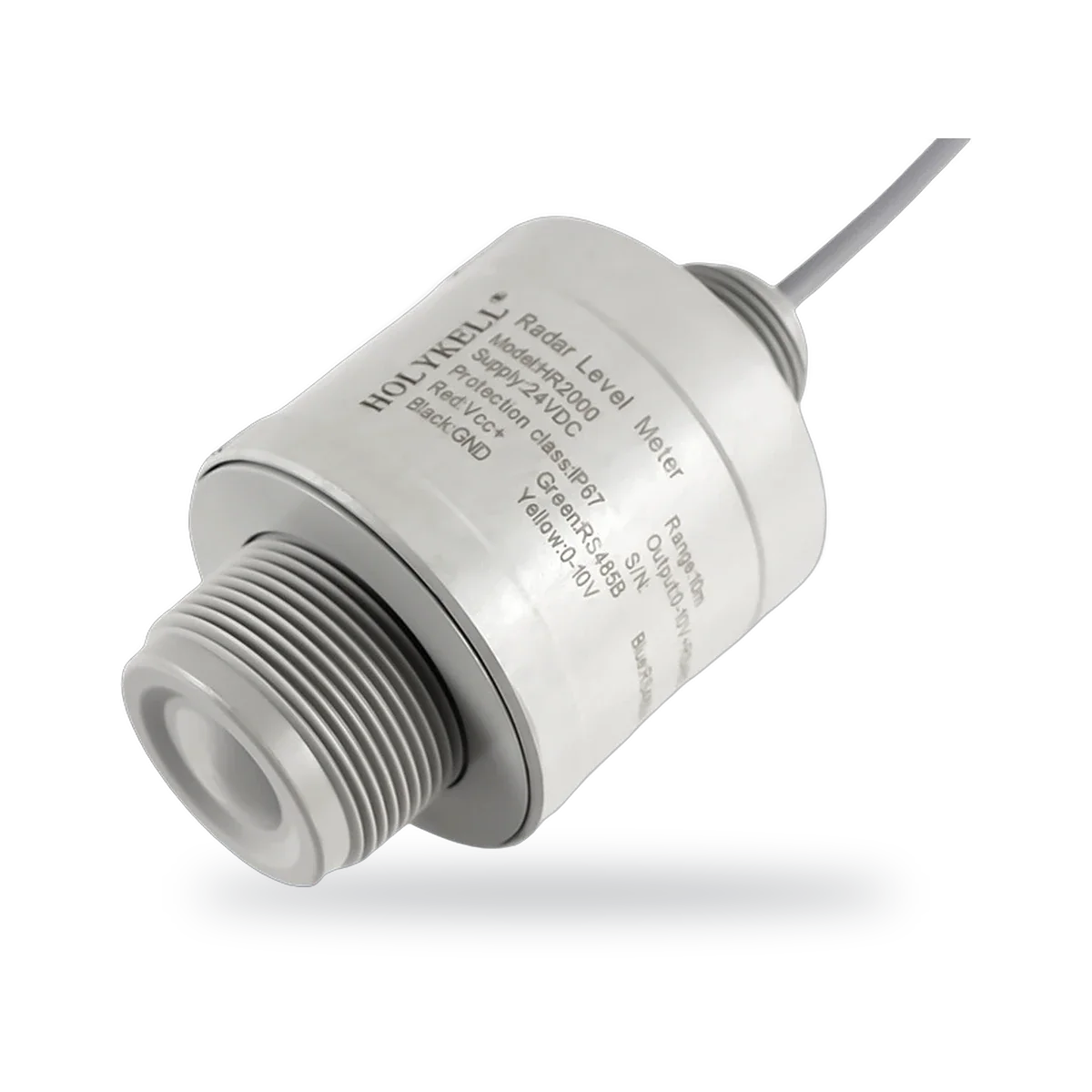
3 models
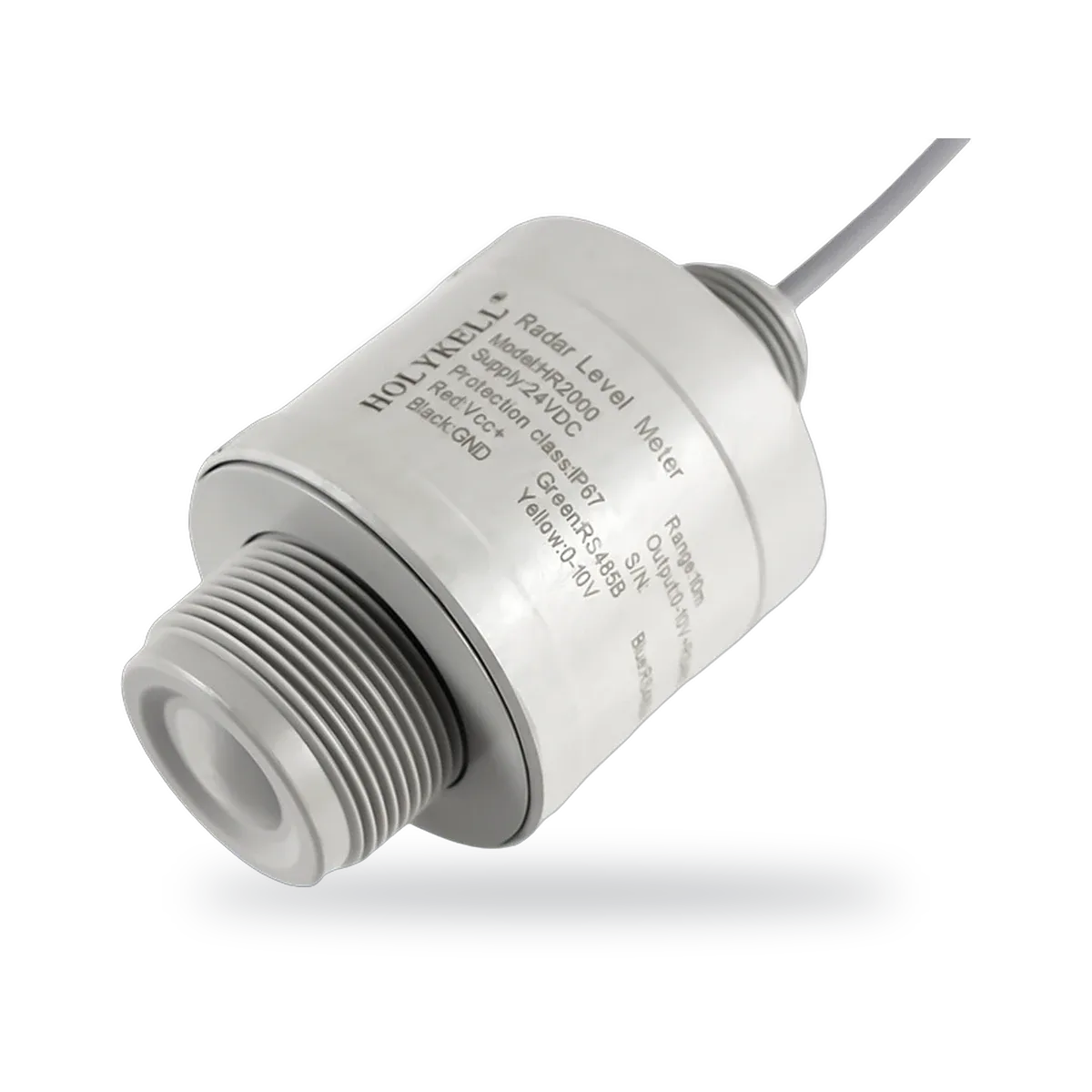
80 GHz Radar Level Transmitter, 4–20mA plus RS485, up to 20 m
- Range
- 0.2–20 m
- Accuracy
- ±10 mm
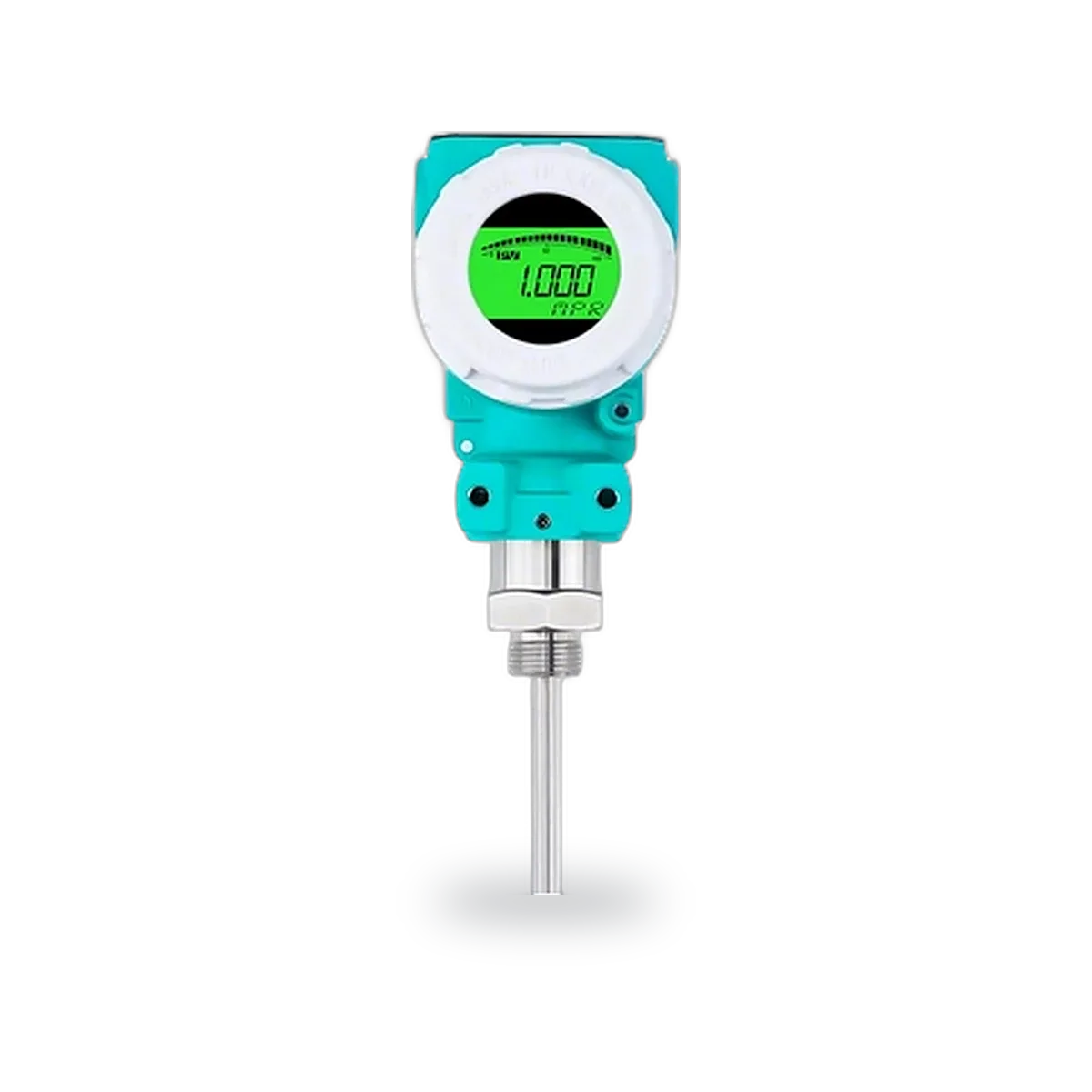
Capacitive Level Transmitter, 4–20mA, HART or RS485, up to 10 m
- Range
- 0.1–10 m
- Output
- 4–20 mA, HART or RS485
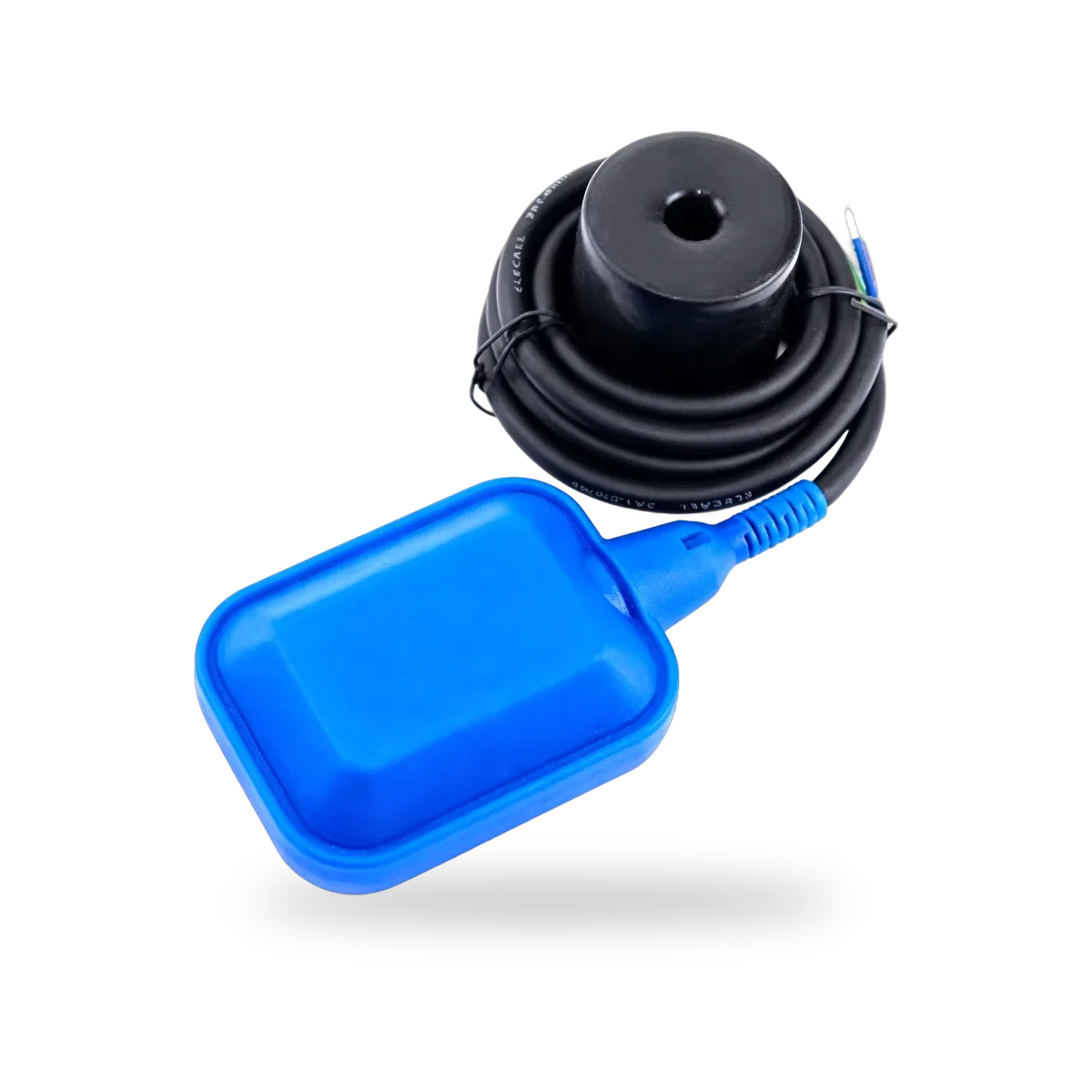
Cable Float Level Switch for Pump Control, IP68
- Rated current
- 4 / 8 / 12 A at 250 V AC
- Cable length
- 2–10 m
Compare Radar, capacitive and float level
| Model | Range | Output | Protection | Accuracy |
|---|---|---|---|---|
| DW-RLT 80 GHz Radar Level Transmitter, 4–20mA plus RS485, up to 20 m | 0.2–20 m | 4–20 mA or voltage + RS485 | ±10 mm | |
| DW-CLP Capacitive Level Transmitter, 4–20mA, HART or RS485, up to 10 m | 0.1–10 m | 4–20 mA, HART or RS485 | IP66 | |
| DW-FLS Cable Float Level Switch for Pump Control, IP68 | IP68 |
How it works
A radar level transmitter sends microwaves to the surface and times the echo, so it measures level without touching the medium. Microwaves do not need air to travel the way sound does, so vapour, temperature changes and wind in the tank affect the reading less. A capacitive probe and the tank wall, or a second electrode, form a capacitor; as the medium rises around the probe, the capacitance changes. A float switch carries a float that rises and falls with the liquid and switches when the level reaches it.
How to choose
- Continuous level reading or a single switch point
- The medium: water, wastewater, oil, chemicals, foam or bulk solids
- Whether the sensor may touch the medium
- Tank, well or sump shape and the mounting point
- The output your controller or pump control expects
Frequently asked questions
Radar or ultrasonic level sensor?
Both measure without contact by timing an echo from the surface. Ultrasonic sensors are an economical choice for open tanks, channels and sumps. Radar uses microwaves instead of sound, so it copes better with vapour, temperature changes and wind, and suits tanks where an ultrasonic echo is unreliable.
When is a float switch enough?
When you only need to know that the liquid has reached a set point, for example to start or stop a pump or to raise an alarm, a float switch is the simplest choice. For a continuous level reading, use a level transmitter.