Proximity sensors, rotary encoders and linear position sensors
Position sensors tell a machine where its moving parts are. DWIN supplies inductive proximity sensors, absolute rotary encoders, and draw-wire, LVDT and magnetostrictive linear position sensors, each with a full specification table and a PDF datasheet.
5 models
5 models
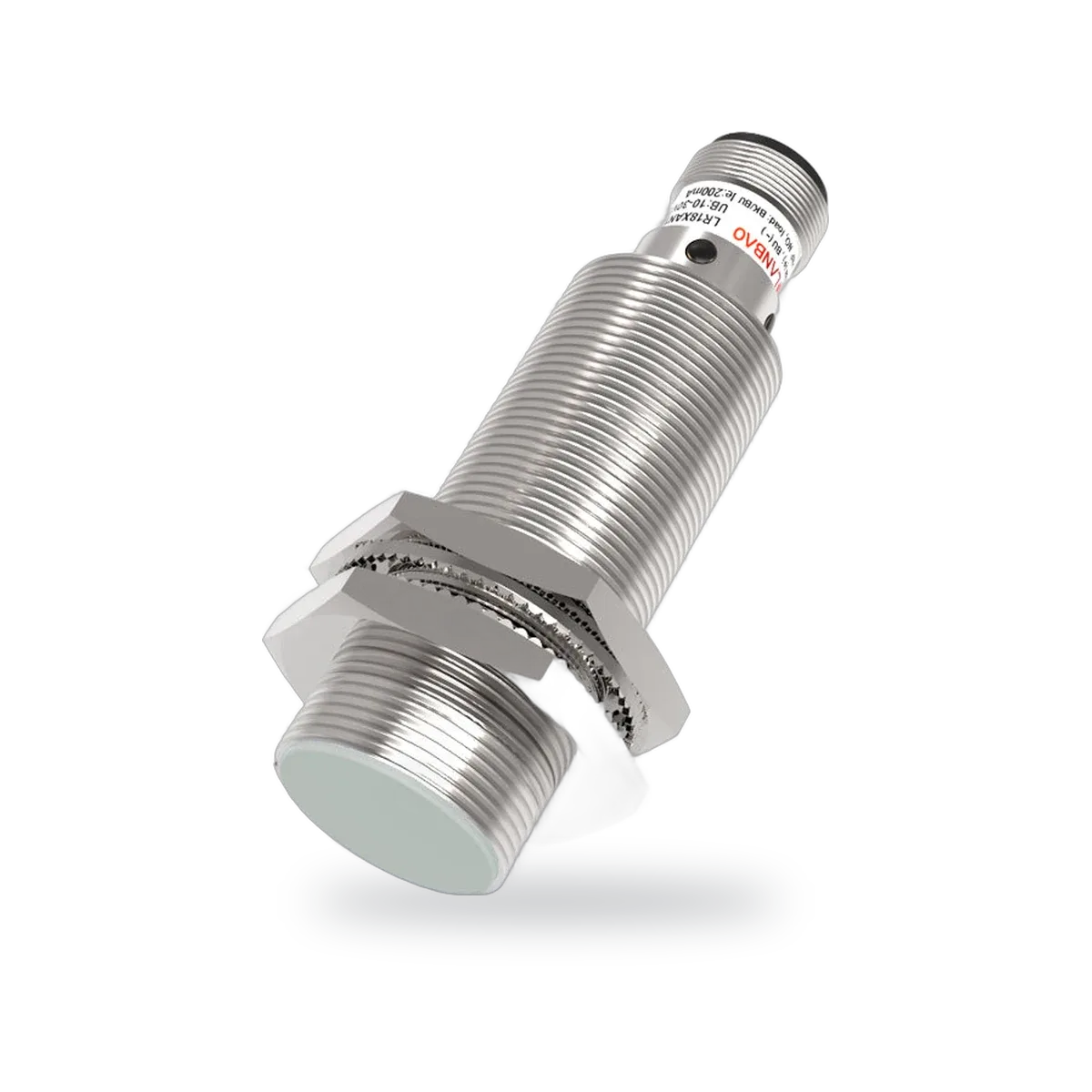
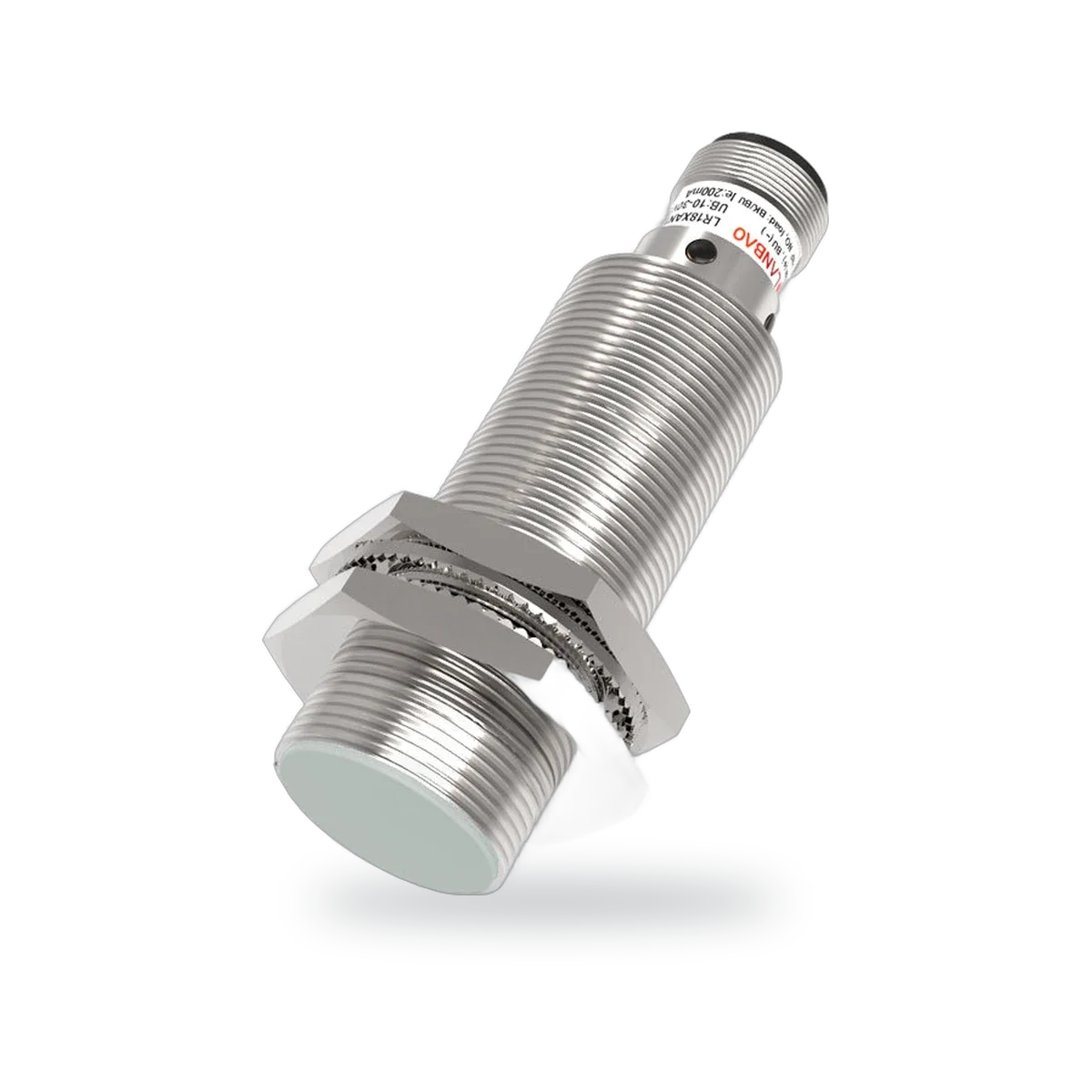
Inductive Proximity Sensor, M8 to M30, NPN or PNP
- Thread specification
- M8 / M12 / M18 / M30
- Output type
- NPN or PNP, NO or NC
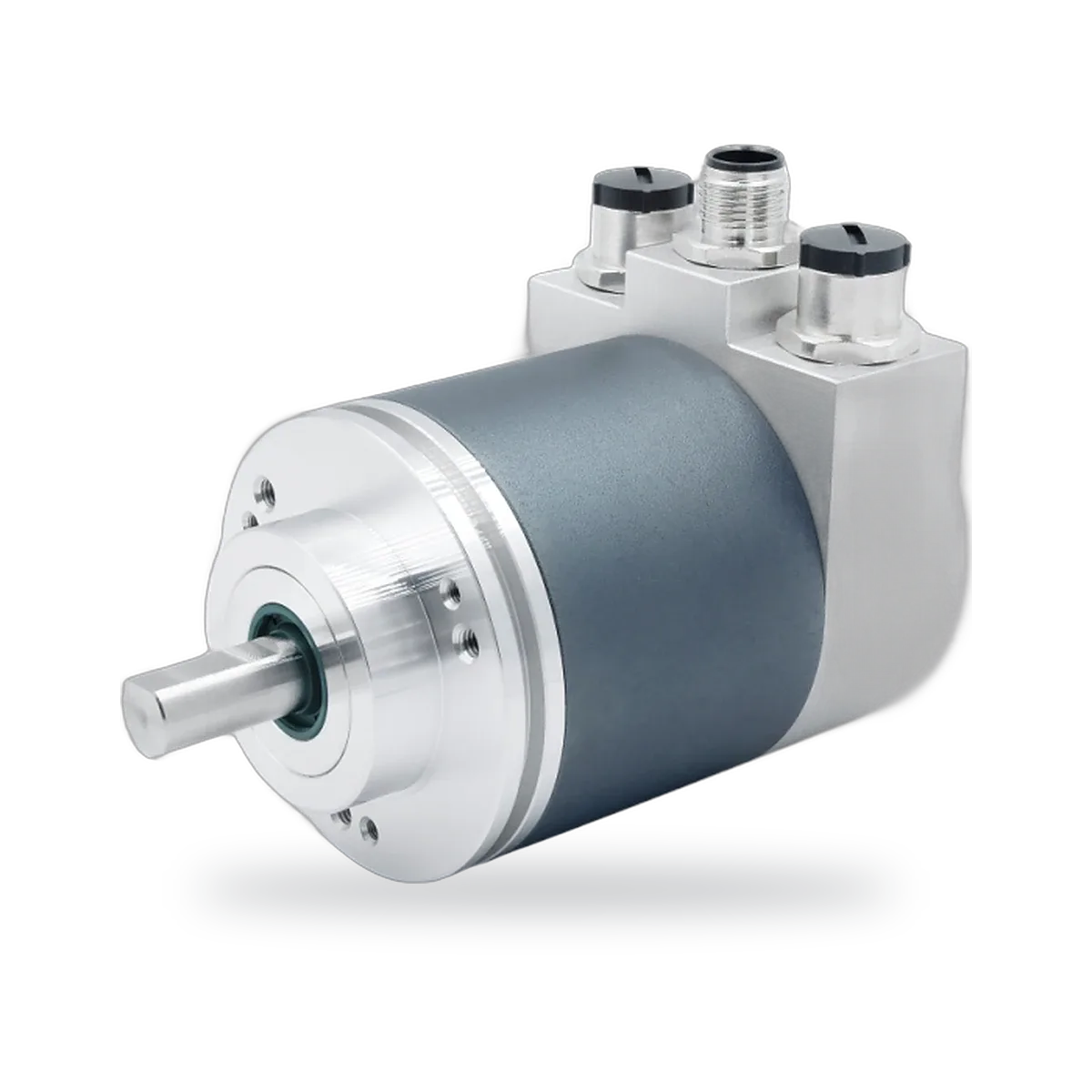
Absolute Magnetic Rotary Encoder, Ø58 mm, EtherCAT
- Resolution
- 16-bit single-turn, 14-bit multi-turn
- Electrical interface
- EtherCAT
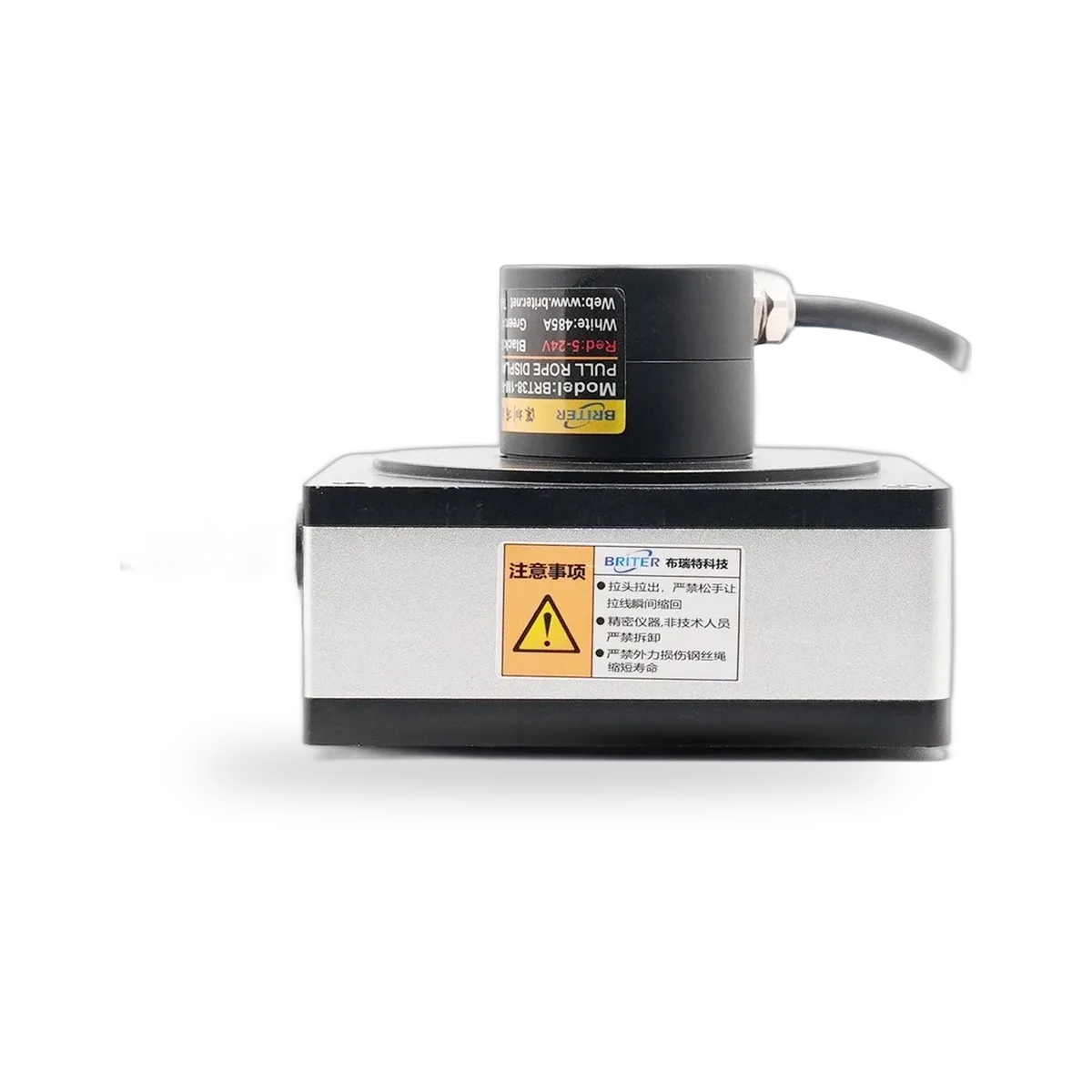
Draw-Wire Displacement Sensor, RS485 plus 4–20mA, 0–5V or 0–10V, up to 20 m
- Range
- 0.5–20 m
- Output
- RS485 + 4–20 mA, 0–5 V or 0–10 V
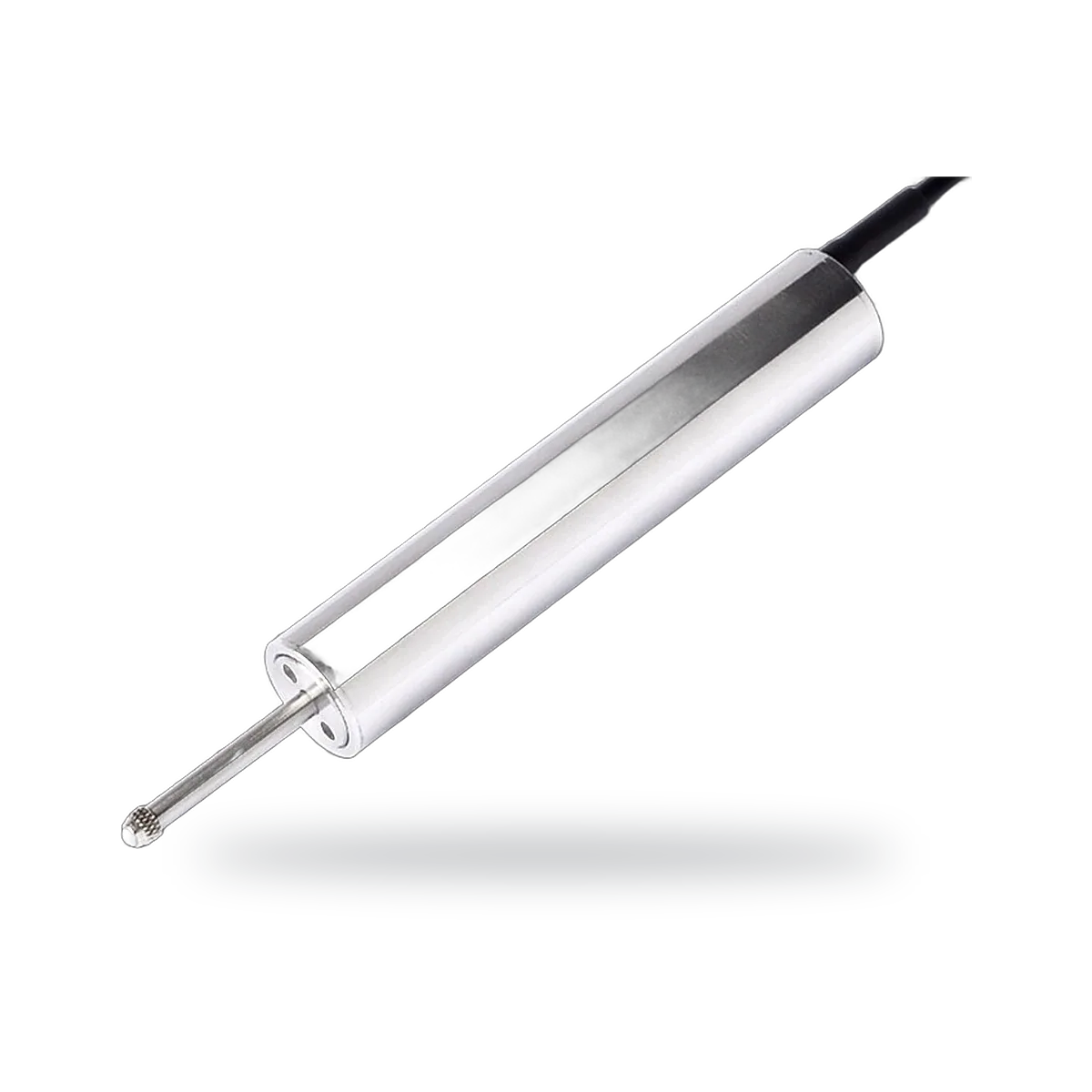
Spring-Return LVDT Displacement Sensor, Ø20 mm, 2.5 to 100 mm
- Range
- 2.5–100 mm
- Output
- 0–5 V, 0–10 V, 4–20 mA or RS485
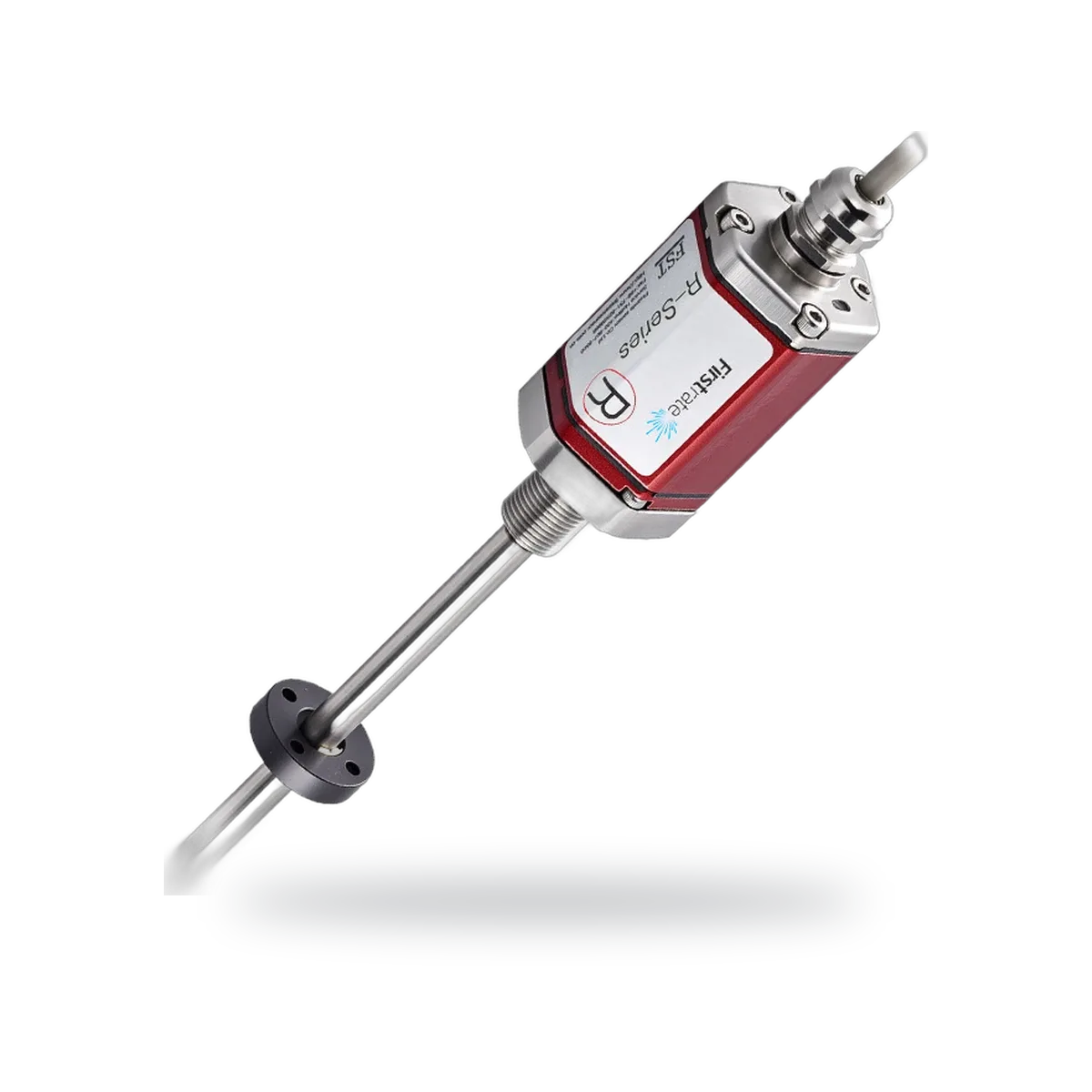
Magnetostrictive Linear Position Sensor, 50 to 2000 mm, Analog, RS485 or SSI
- Range
- 50–2000 mm
- Output
- 4–20 mA, 0–10 V, RS485 or SSI
Compare Position and proximity sensors
| Model | Protection | Range | Output | Resolution |
|---|---|---|---|---|
| DW-PX Inductive Proximity Sensor, M8 to M30, NPN or PNP | IP67 | |||
| DW-ENC Absolute Magnetic Rotary Encoder, Ø58 mm, EtherCAT | IP65 or IP66 (IP67 optional) | 16-bit single-turn, 14-bit multi-turn | ||
| DW-DWS Draw-Wire Displacement Sensor, RS485 plus 4–20mA, 0–5V or 0–10V, up to 20 m | 0.5–20 m | RS485 + 4–20 mA, 0–5 V or 0–10 V | ||
| DW-LVDT Spring-Return LVDT Displacement Sensor, Ø20 mm, 2.5 to 100 mm | 2.5–100 mm | 0–5 V, 0–10 V, 4–20 mA or RS485 | ≤0.1 µm | |
| DW-MLT Magnetostrictive Linear Position Sensor, 50 to 2000 mm, Analog, RS485 or SSI | IP67 | 50–2000 mm | 4–20 mA, 0–10 V, RS485 or SSI |
How it works
An inductive proximity sensor drives a coil that sets up an alternating magnetic field; a metal target entering the field changes it, and the sensor switches without touching the target. A rotary encoder reads a coded disc on the shaft: an incremental encoder outputs pulses as the shaft turns, while an absolute encoder reports the shaft position directly. Linear position sensors follow a part that moves in a straight line: a draw-wire sensor turns the pull on a wound wire into rotation, an LVDT measures how a movable core changes the coupling between transformer coils, and a magnetostrictive sensor times a pulse along a waveguide to a position magnet.
How to choose
- Switching or measuring: a proximity switch, an encoder or a linear position sensor
- Rotary or linear motion, and the travel to cover
- Mounting: solid shaft, hollow shaft or thread size
- The interface your controller expects, for example SSI, CANopen or EtherCAT
- The environment: shock, vibration, dirt and moisture
Frequently asked questions
Incremental or absolute encoder?
An incremental encoder outputs pulses as the shaft turns, and the controller counts them from a reference point. An absolute encoder reports a unique value for every shaft position, so the position is known as soon as power returns, without a homing run. Choose absolute where the machine must not lose its position.
Draw-wire, LVDT or magnetostrictive: which linear position sensor?
A draw-wire sensor mounts beside the travel and only needs a fixing point for the wire. An LVDT measures with no contact between the core and the coils. A magnetostrictive sensor measures with no contact to a magnet that moves along its rod. Send DWIN the stroke, the mounting and the interface, and we propose a model.