Pressure, temperature, humidity and gas instruments
Instruments for process plants, utilities, hydraulics and HVAC: pressure and submersible level transmitters with 4 to 20 mA, voltage or RS485 output, electronic and mechanical pressure switches, temperature probes and transmitters, humidity and dew-point transmitters, and fixed gas detectors and infrared methane sensors. Choose a family, then open any model for its full specification.
Pressure and level transmitters
Gauge, absolute and differential pressure transmitters, level transmitters and switches.
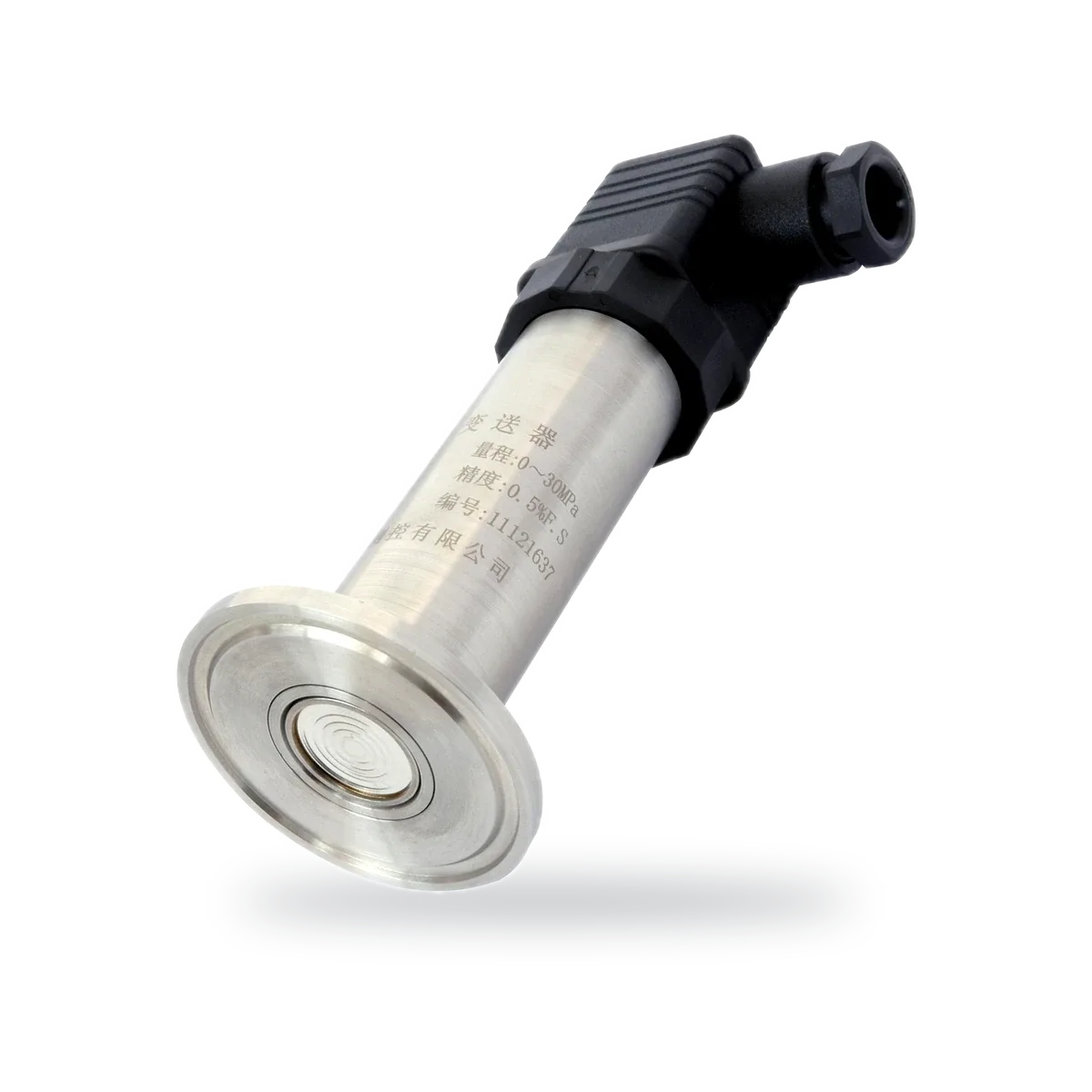
Flush Diaphragm Pressure Transmitter, Diffused Silicon
- Range
- -100KPa…0–20KPa…35MPa
- Output
- 0.5–4.5V ratio voltage
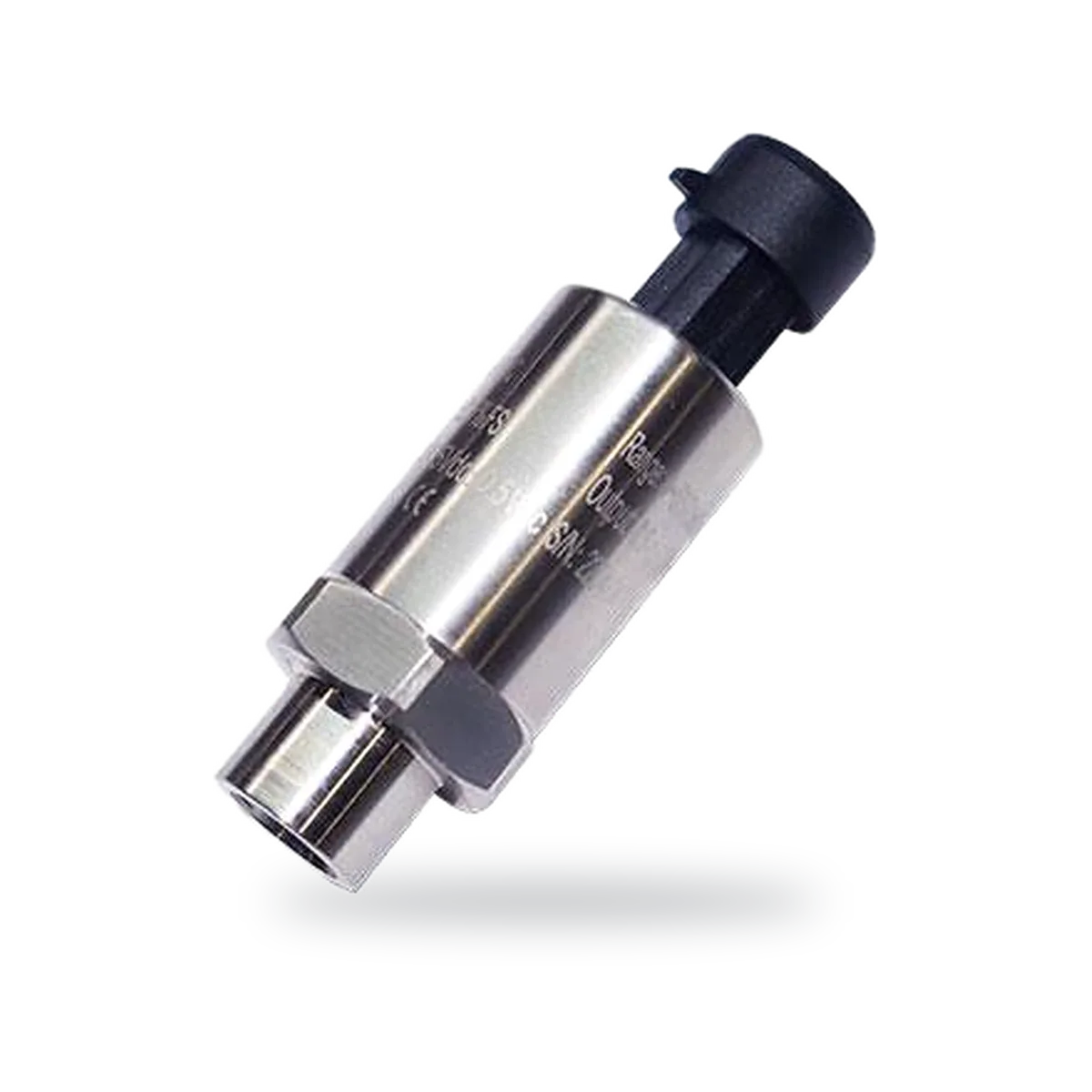
Welded Refrigerant Pressure Transmitter, 4–20mA or 0.5–4.5V
- Range
- -1–10…50bar (Sealed Gage)
- Output
- 0.5–4.5 VDC (Ratio)
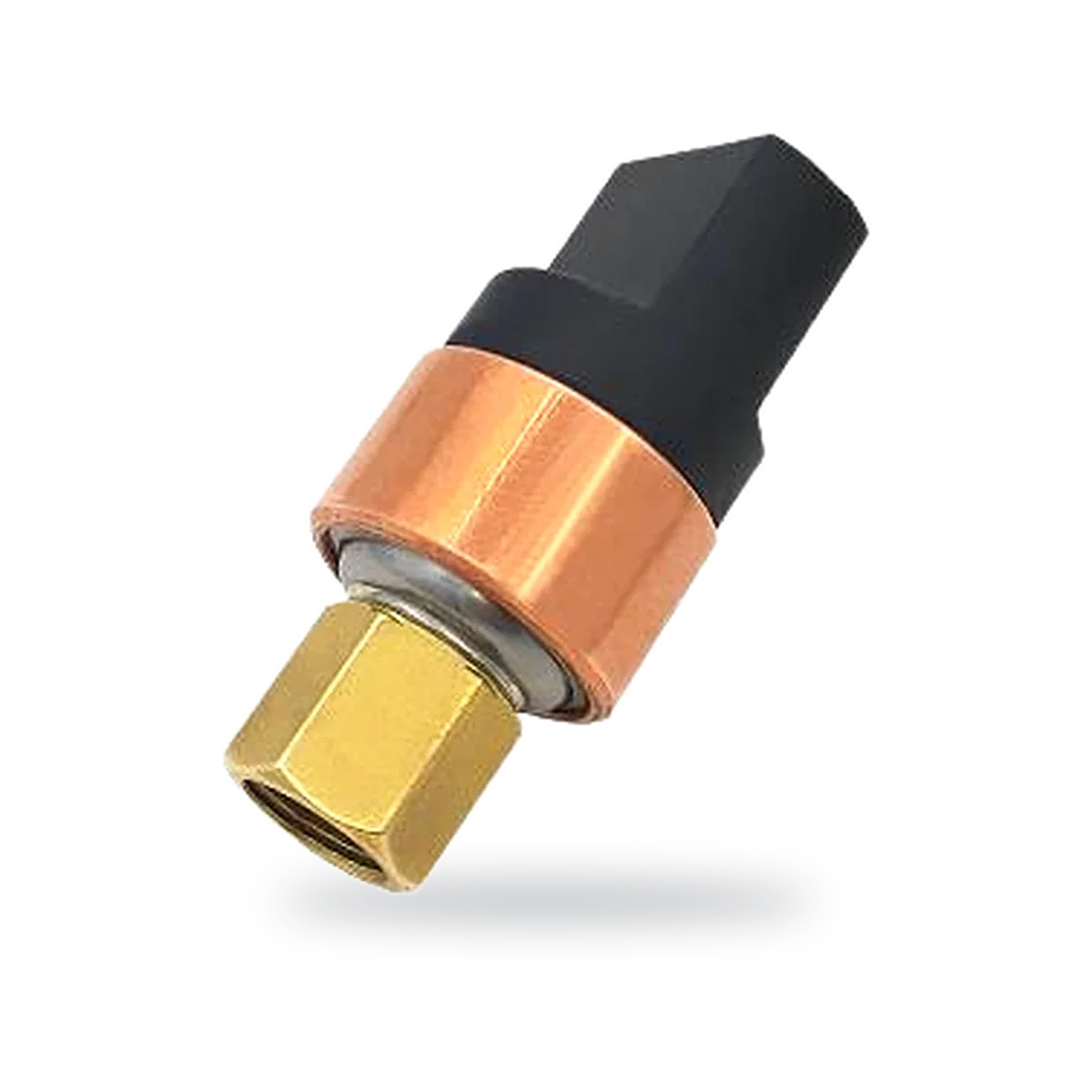
Welded Refrigerant Pressure Transmitter, 0.5–4.5V Ratio
- Range
- -1–10…50bar (Sealed Gage)
- Protection
- IP67
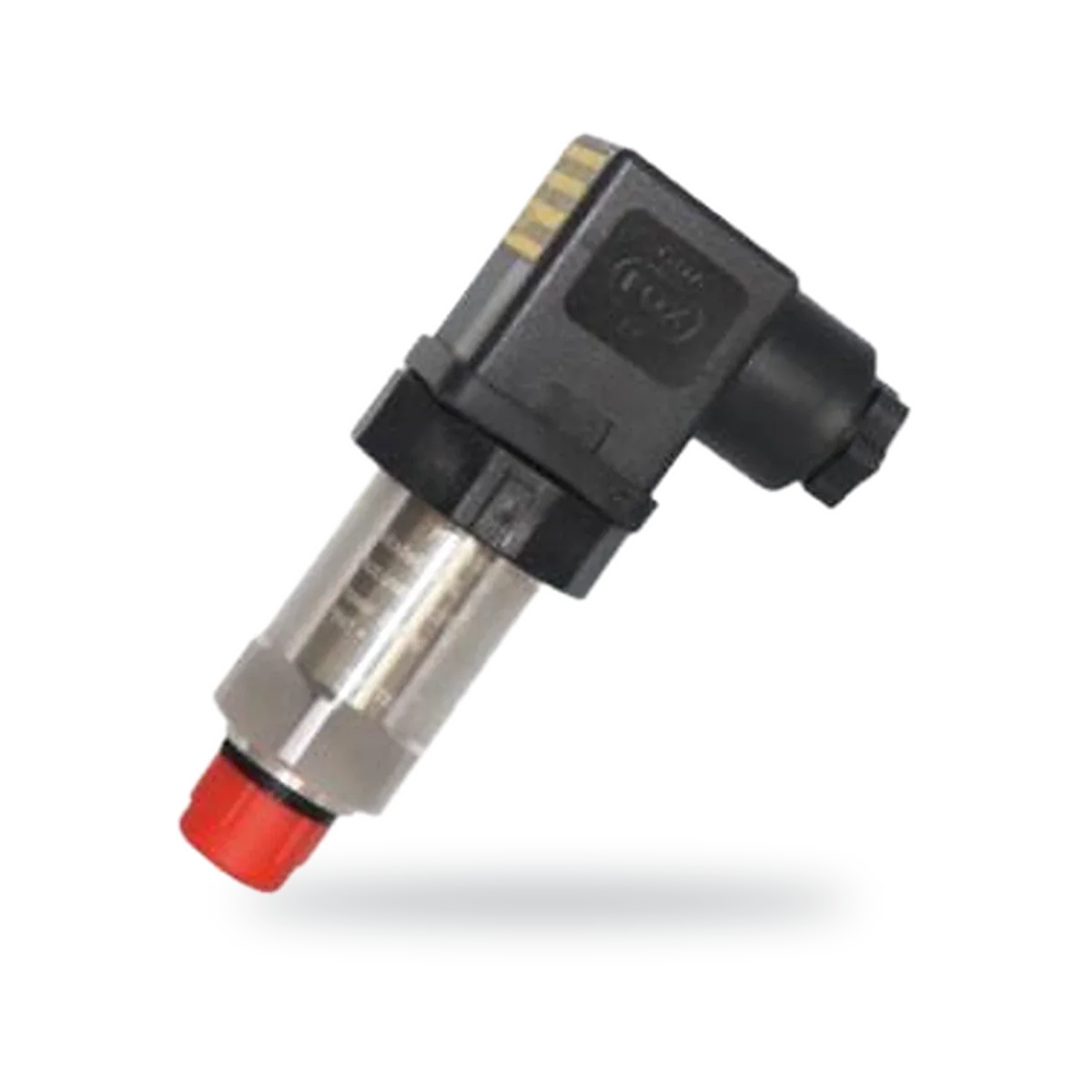
Diffused Silicon Pressure Transmitter, 0.07 to 1000bar
- Range
- 0 … 0.07 to 0 … 1000bar
- Output
- 8–30 VDC
Temperature and humidity
Temperature probes and transmitters, and humidity and dew-point transmitters, for HVAC, compressed air and process lines, wired or wireless.
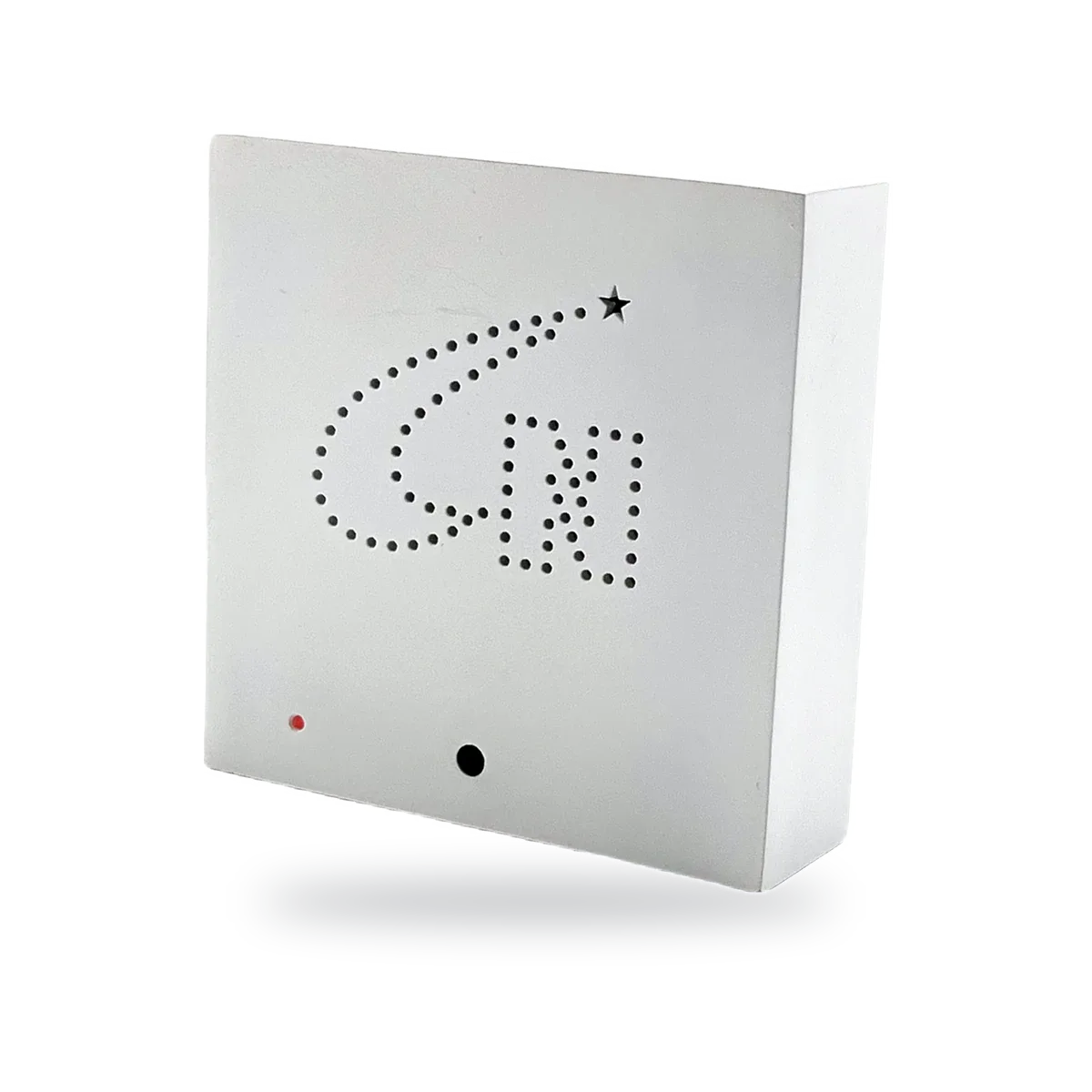
Bluetooth Temperature and Humidity Sensor, Wall Mounted
- Accuracy
- ±0.2°C (@25°C)
- Output
- Bluetooth 5.1
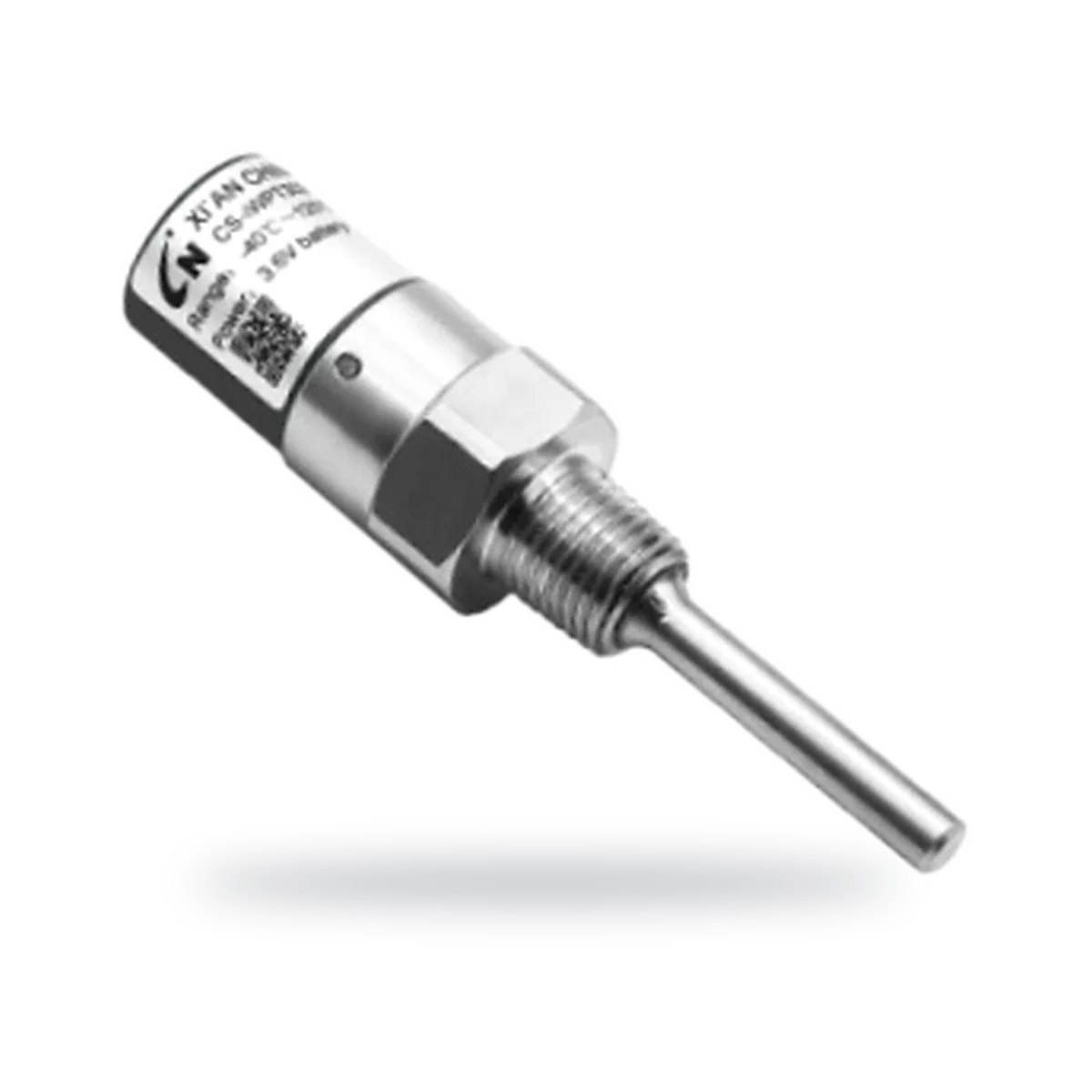
Bluetooth Temperature Transmitter, Pipeline and Tank
- Accuracy
- ±1°C (typical values)
- Protection
- IP65
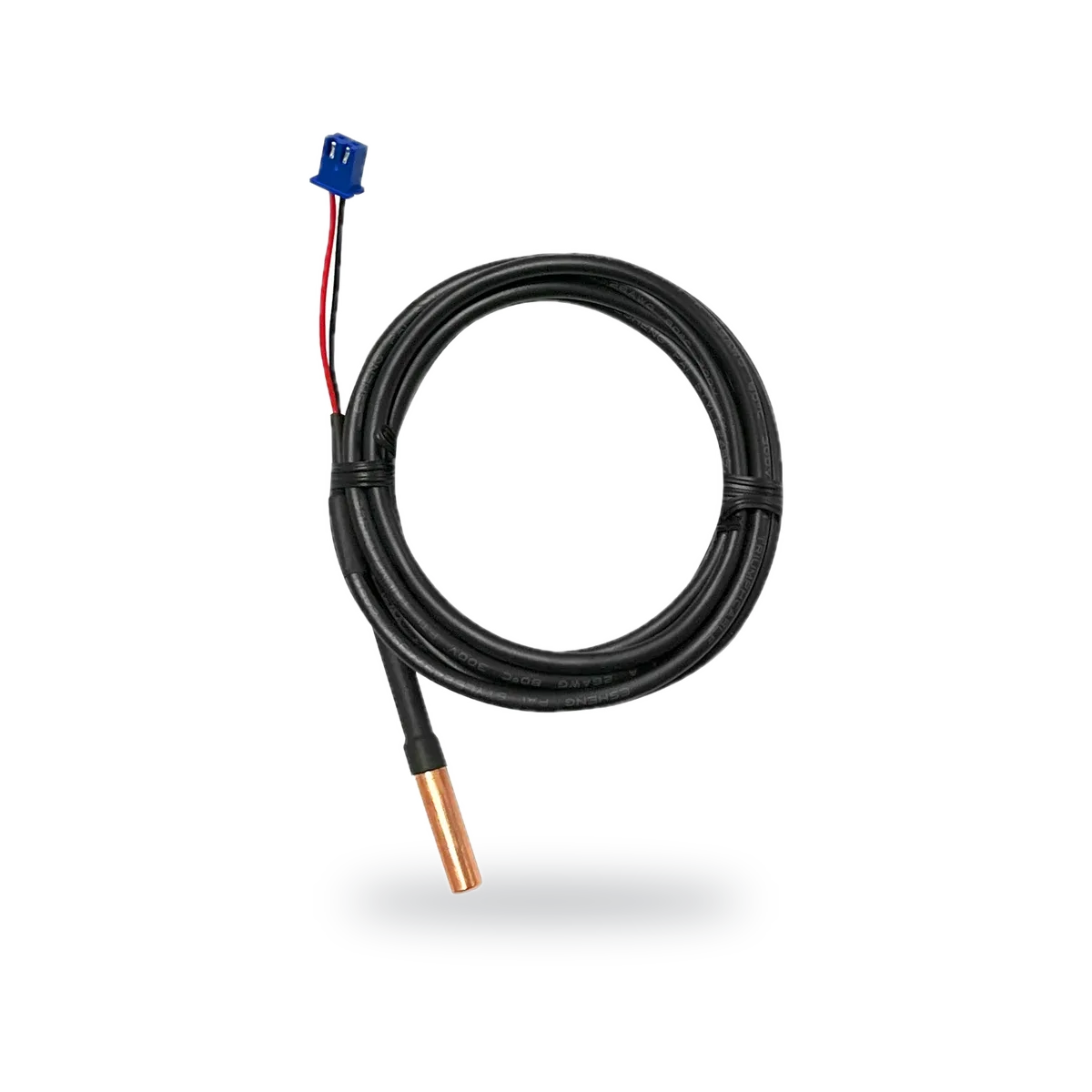
NTC Temperature Sensor, Heat Pump, Copper Immersion Tube
- Protection
- IP67
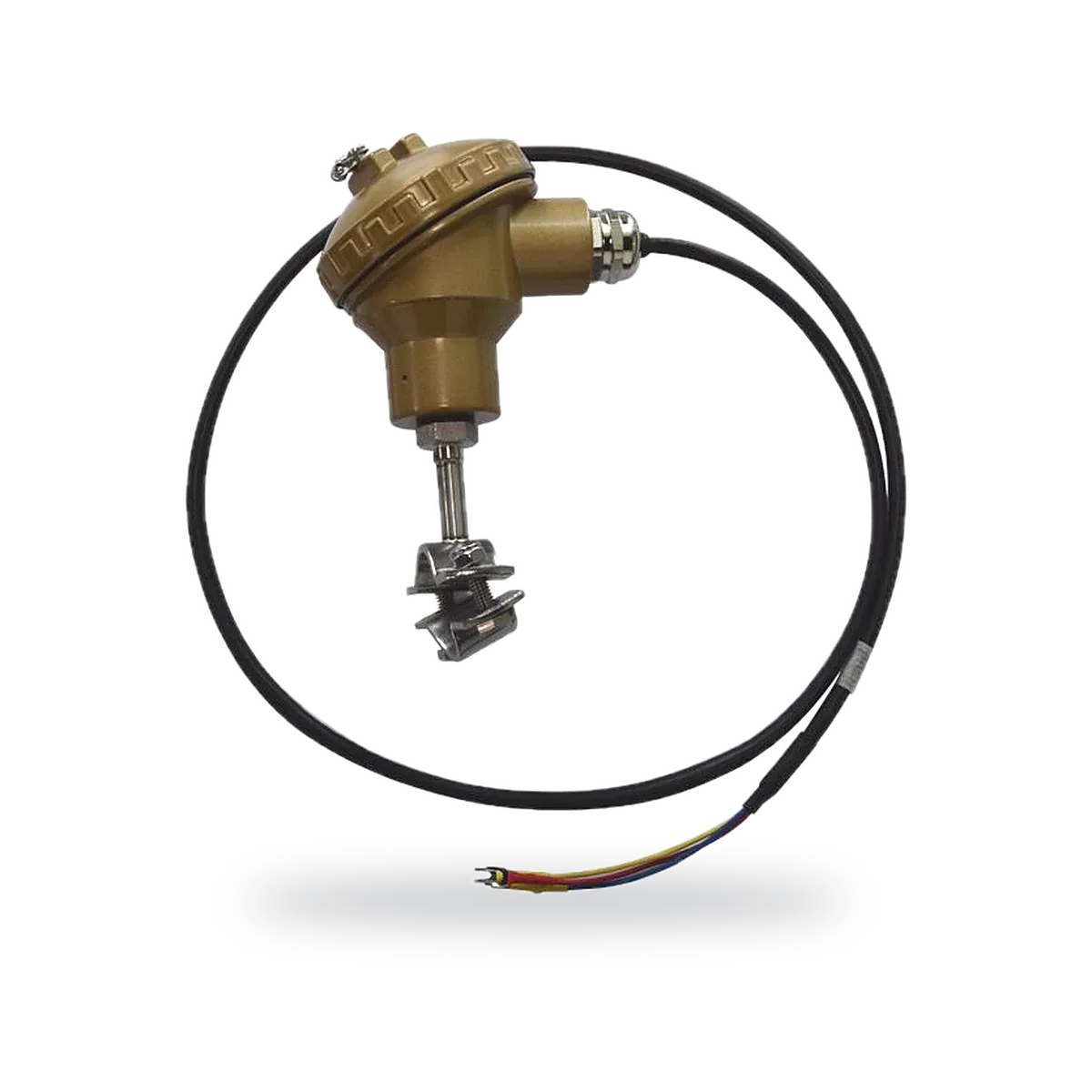
Temperature Transmitter, -100 to 60°C, Pipe Outer Hoop
- Accuracy
- ±2°C
- Output
- 3-wire4–20mA
Gas detection
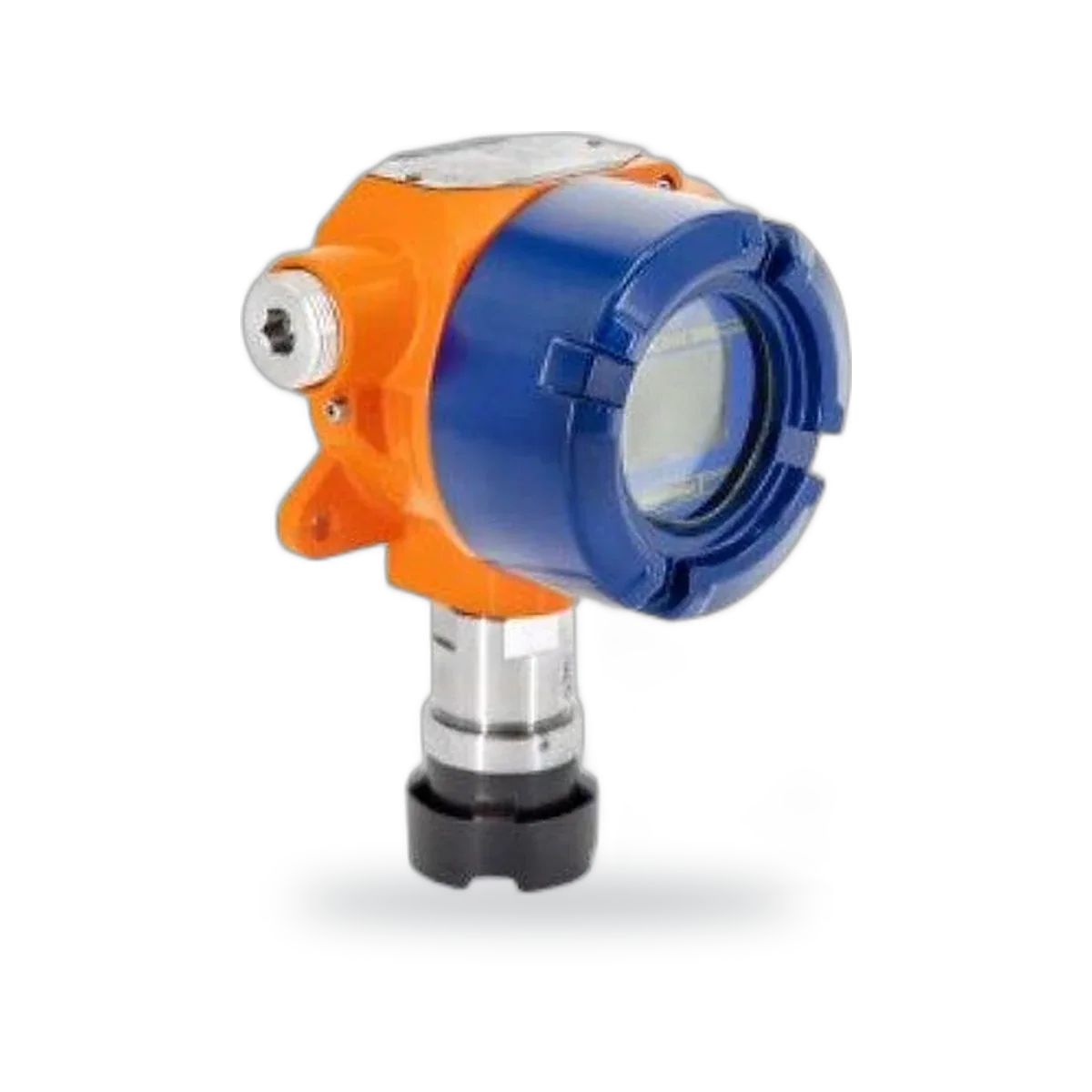
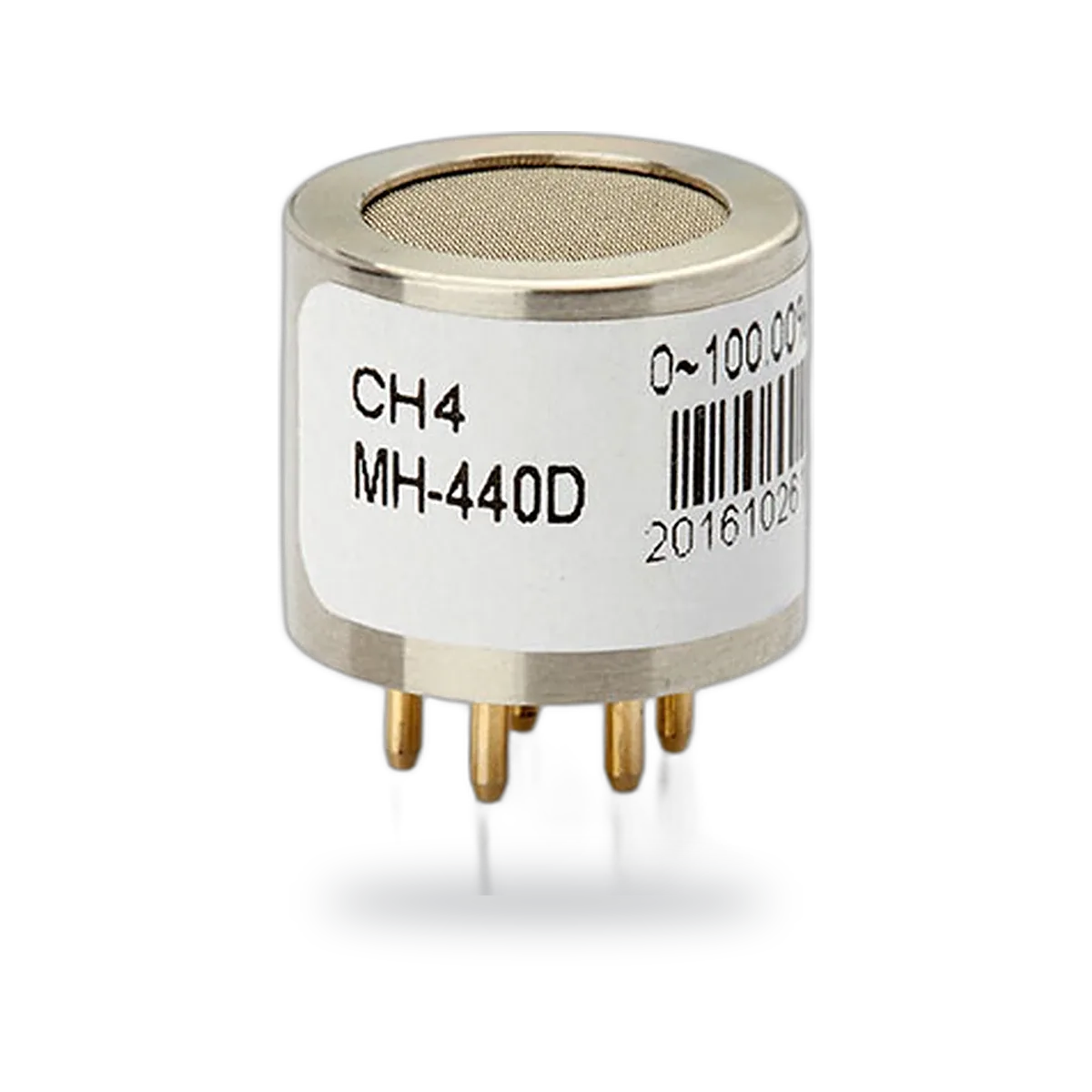
Fixed detectors for combustible and toxic gases, and infrared (NDIR) methane sensor modules.
Applications
Related articles
PT100 vs NTC temperature sensors: RTD or thermistor, and when to use a transmitter
PT100 and PT1000 RTDs vs NTC thermistors: range, accuracy, linearity and wiring, and when a 4 to 20 mA temperature transmitter is the better choice.
Ceramic vs diffused silicon vs sputtered thin film: pressure sensor technologies compared
How ceramic, diffused silicon, sputtered thin-film and MCS pressure sensors work and differ in media, overload, range and cost, with DWIN models.
How does an electronic pressure switch work? Set point, reset point and outputs
How an electronic pressure switch measures, compares and switches: set and reset points, hysteresis and window modes, NO and NC, relay or PNP outputs.