Fixed gas detectors and infrared methane sensors
Gas detectors watch the air for combustible and toxic gases so that people can act before a hazard builds up. DWIN supplies fixed gas detectors for combustible and toxic gases with analog or digital outputs and relay outputs, and infrared (NDIR) methane sensor modules for building into detectors and monitoring equipment.
2 models
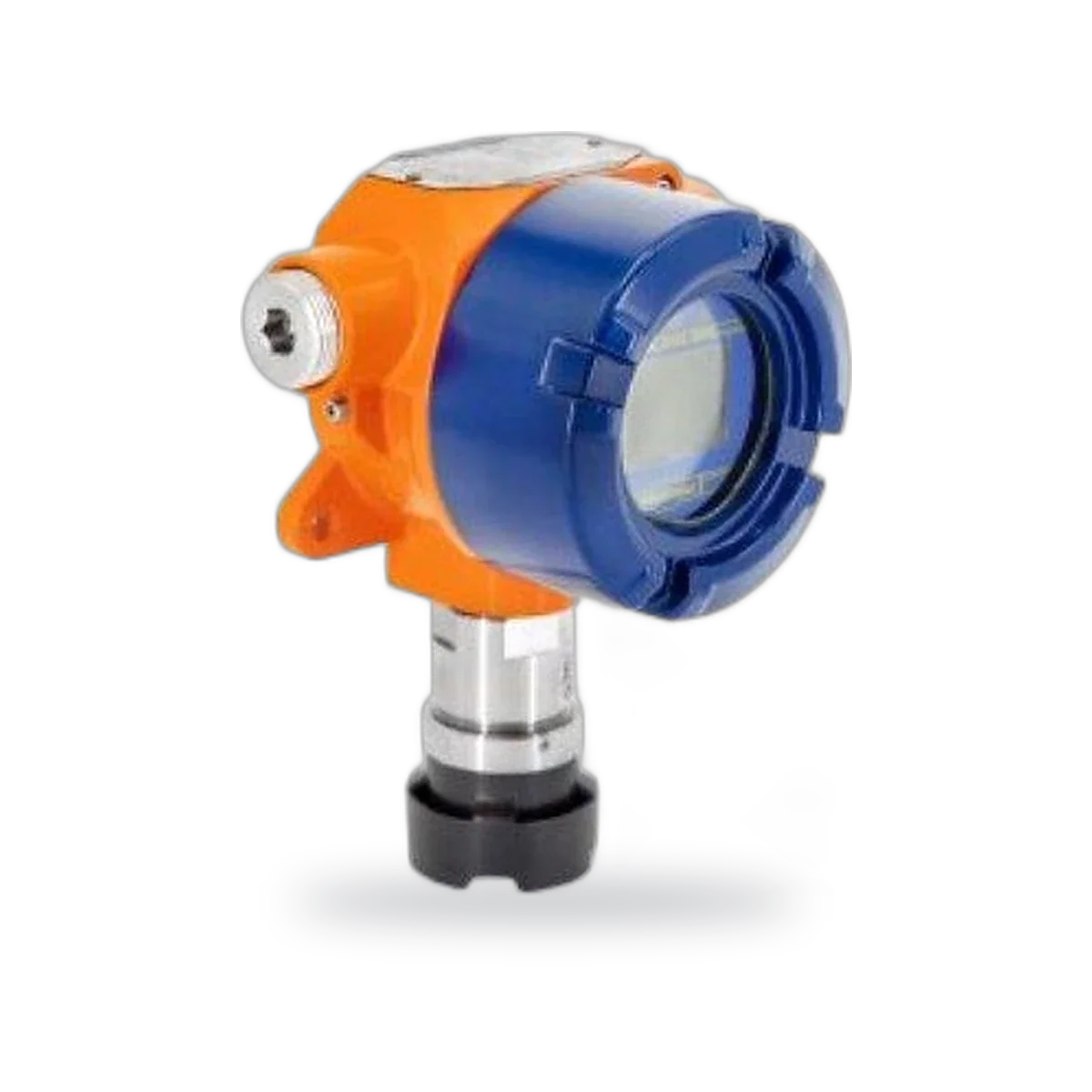
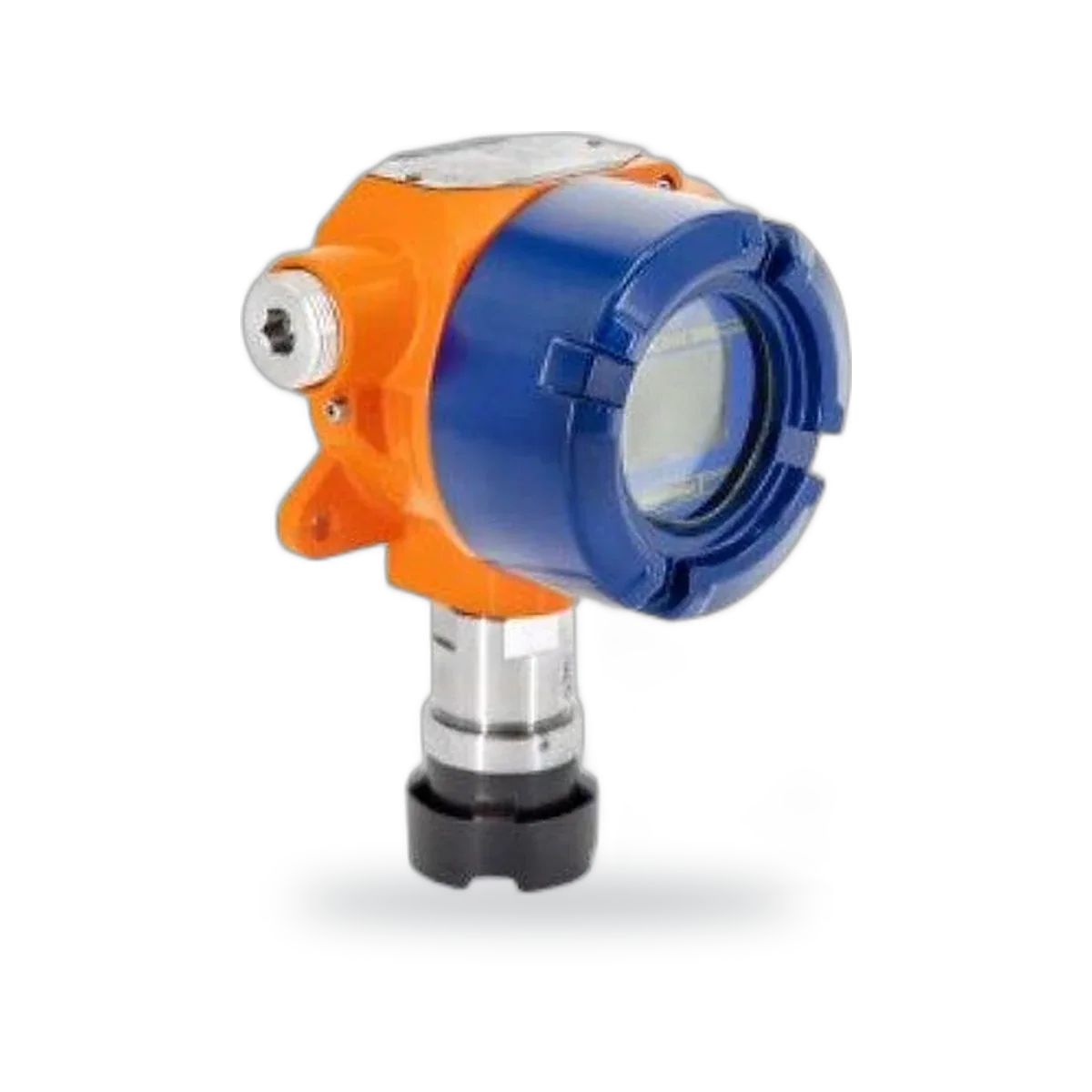
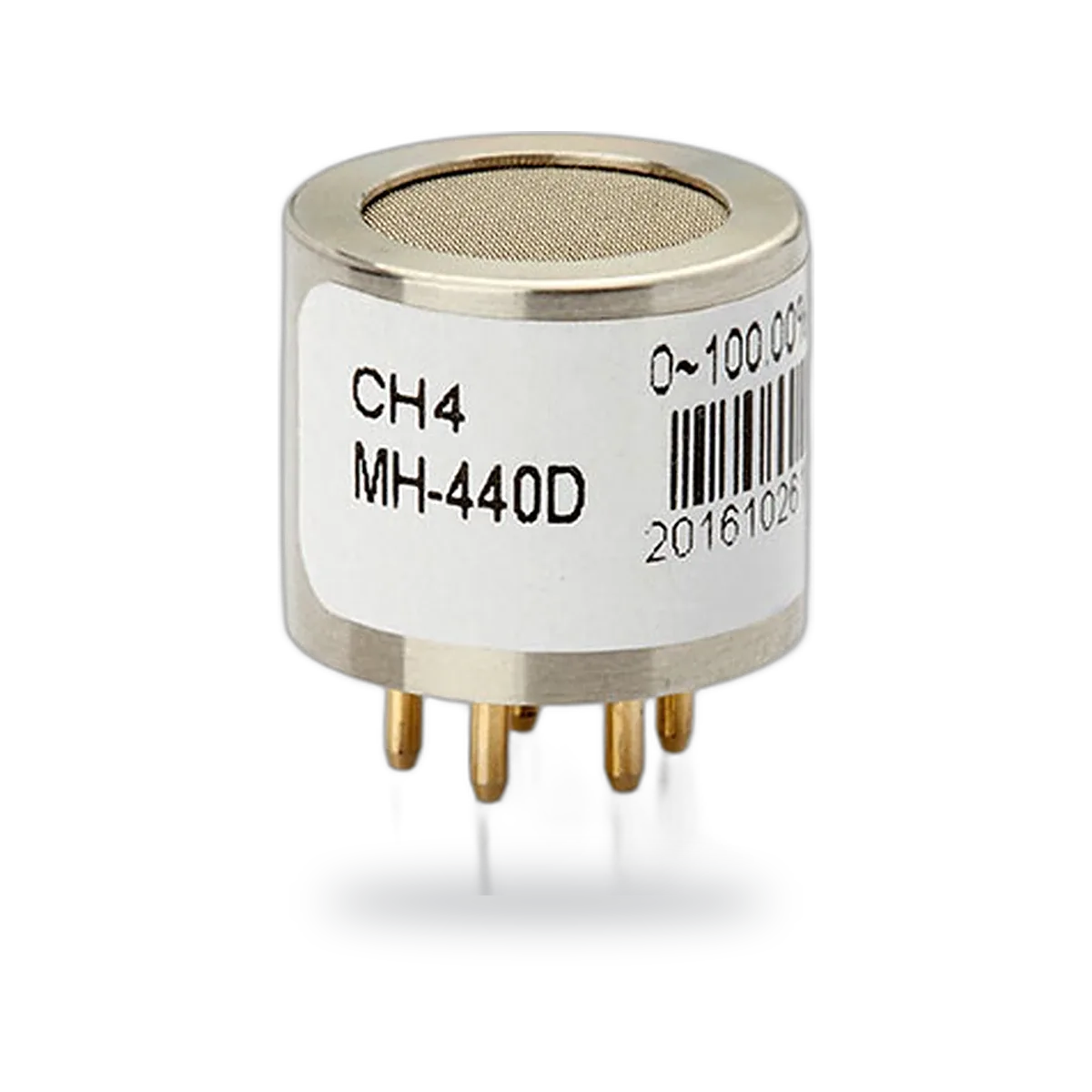
Compare Gas detection
| Model | Output | Relay output | Protection | Measuring range |
|---|---|---|---|---|
| DW-GD Fixed Gas Detector, 4–20mA or RS485, Three Relays | 4–20 mA or RS485 | 3 relays | IP67 | |
| DW-GP NDIR Infrared Methane (CH4) Sensor Module, UART and Analog Output | UART + 0.4–2.0 V | 0–5% vol, 0–10% vol or 0–100% LEL |
How it works
A catalytic sensor oxidises a small amount of flammable gas on a heated element and measures the change in its resistance. An infrared sensor measures how much infrared light the gas absorbs at the wavelength typical of that gas, which suits methane and carbon dioxide. An electrochemical cell reacts with a toxic gas at an electrode and produces a current that follows the gas concentration. A fixed detector passes its reading to an alarm controller, which sounds the alarm and switches its outputs.
How to choose
- The target gas: combustible, toxic or methane
- The sensing principle: catalytic, infrared or electrochemical
- A complete fixed detector or a sensor module
- The alarm controller and wiring on site
- The area classification of the site
Frequently asked questions
Catalytic, infrared or electrochemical gas sensor?
Catalytic sensors are the classic choice for flammable gases. Infrared sensors detect flammable gases such as methane and also carbon dioxide, and do not need oxygen to work. Electrochemical cells detect toxic gases. Tell DWIN the gas and the site, and we propose the sensing principle.
Does a fixed gas detector work on its own?
A fixed detector measures the gas and reports its reading. The alarm controller it is wired to evaluates the reading, sounds the alarm and switches outputs such as fans or valves. DWIN's fixed gas detector sends a 4 to 20 mA or RS485 signal to the controller and also has relay outputs of its own.