Tilt, vibration and position sensors
Sensors that tell a machine how it is tilted, how it is moving and where its parts are: inclinometers, accelerometers, vertical gyros and IMUs, vibration transmitters and switches for rotating machines, inductive proximity sensors, absolute rotary encoders, and draw-wire, LVDT and magnetostrictive linear position sensors.
Tilt, inertial and vibration
Inclinometers, accelerometers, vertical gyros and IMUs, plus vibration transmitters and switches.
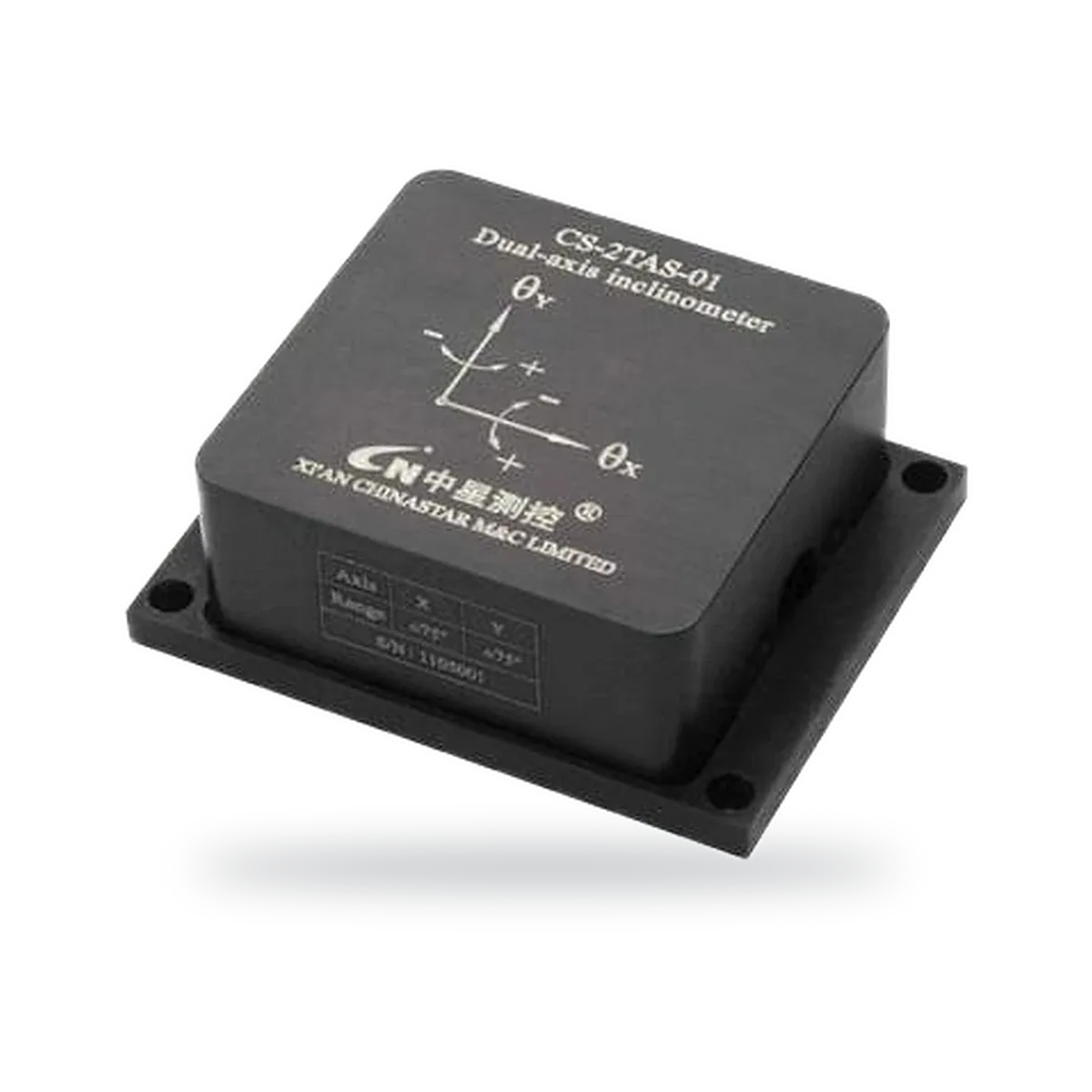
Dual-Axis Inclinometer, Voltage, Current or Digital Output
- Output
- 0.5–4.5V, Voltage output
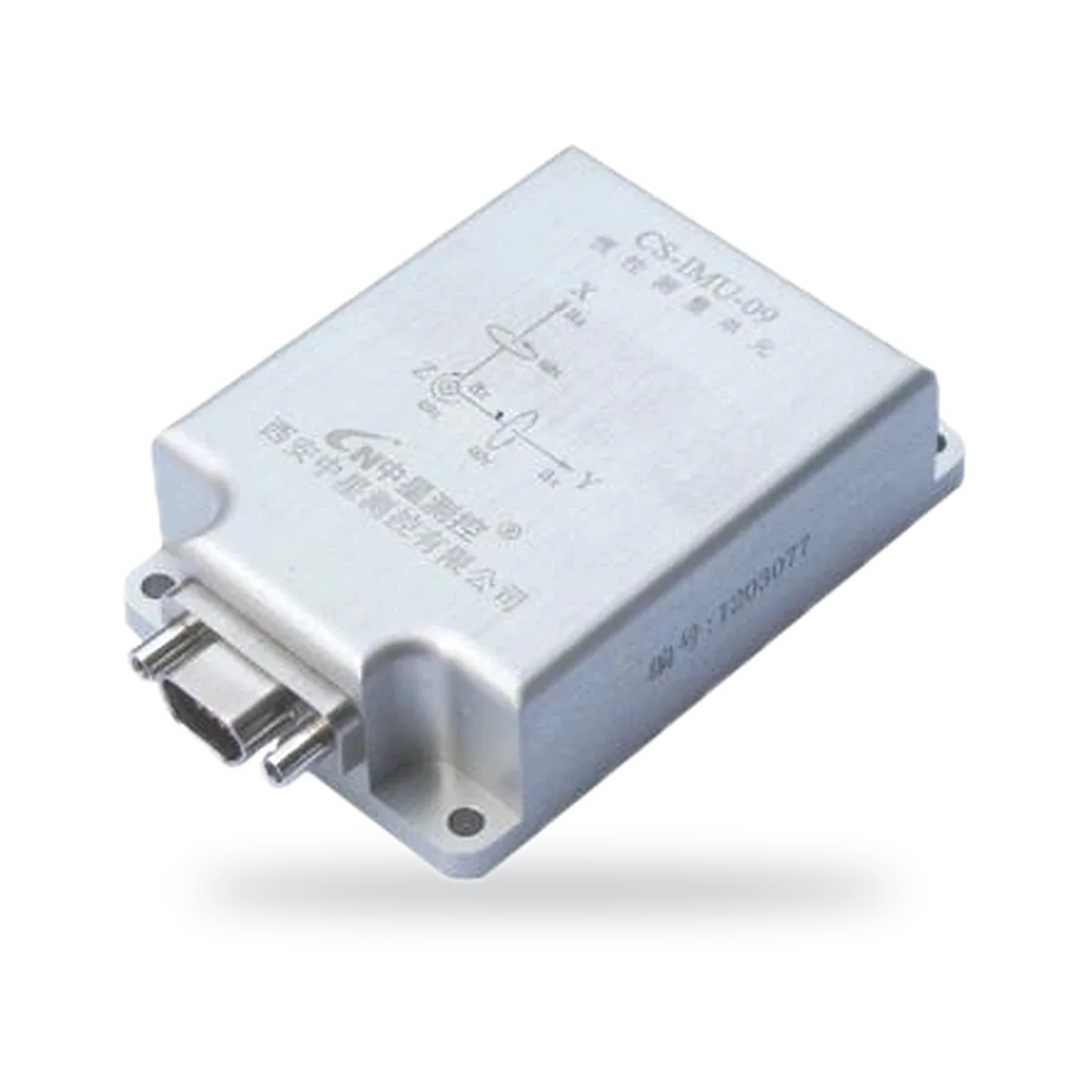
Inertial Measurement Unit for Overhead Line Galloping
- Range
- ± 250 ° / s
- Output
- UART (TTL level)
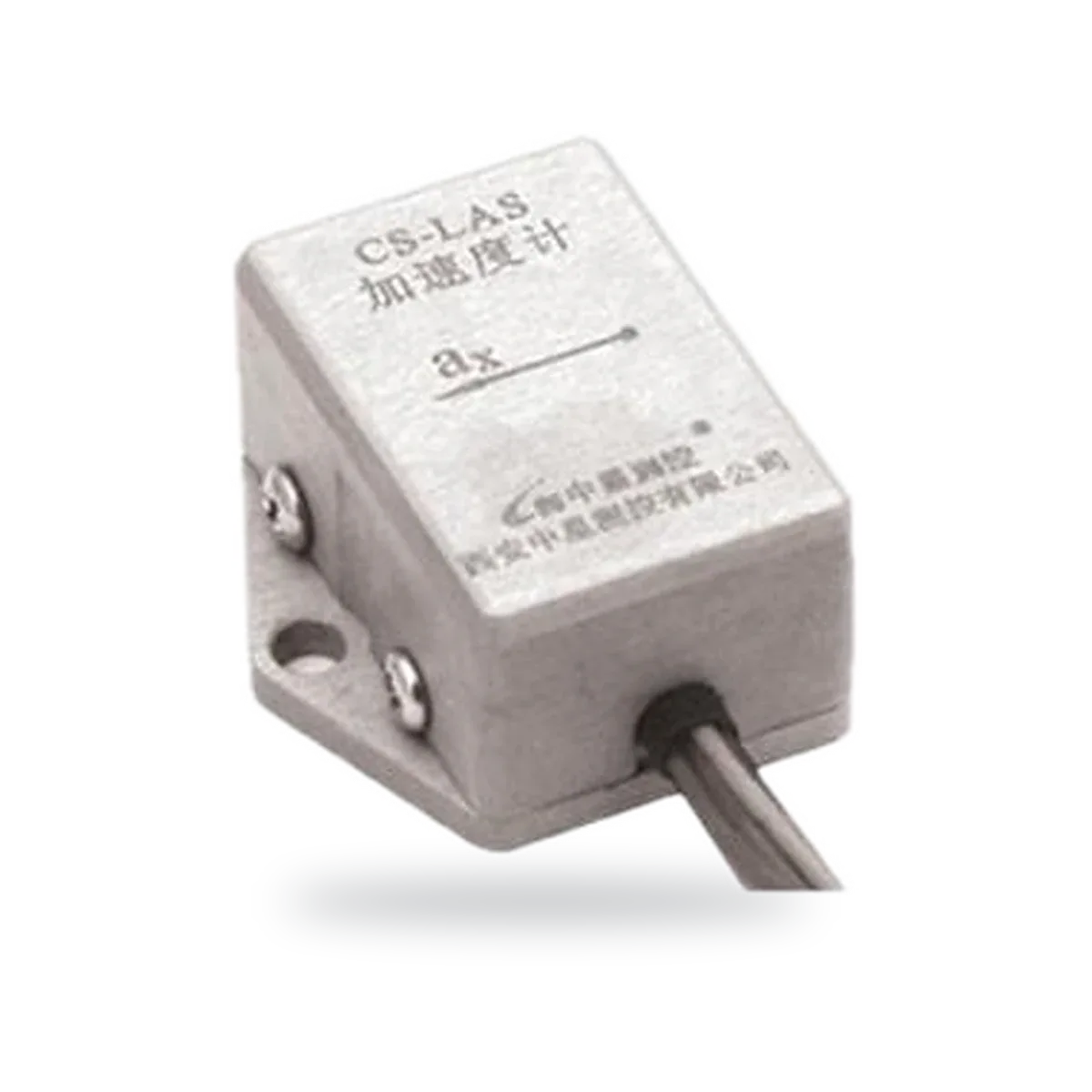
Single-Axis Accelerometer, 0.5–4.5V Analog Output
- Output
- 0.5–4.5 V
- Supply voltage
- 5 ± 0.25 VDC
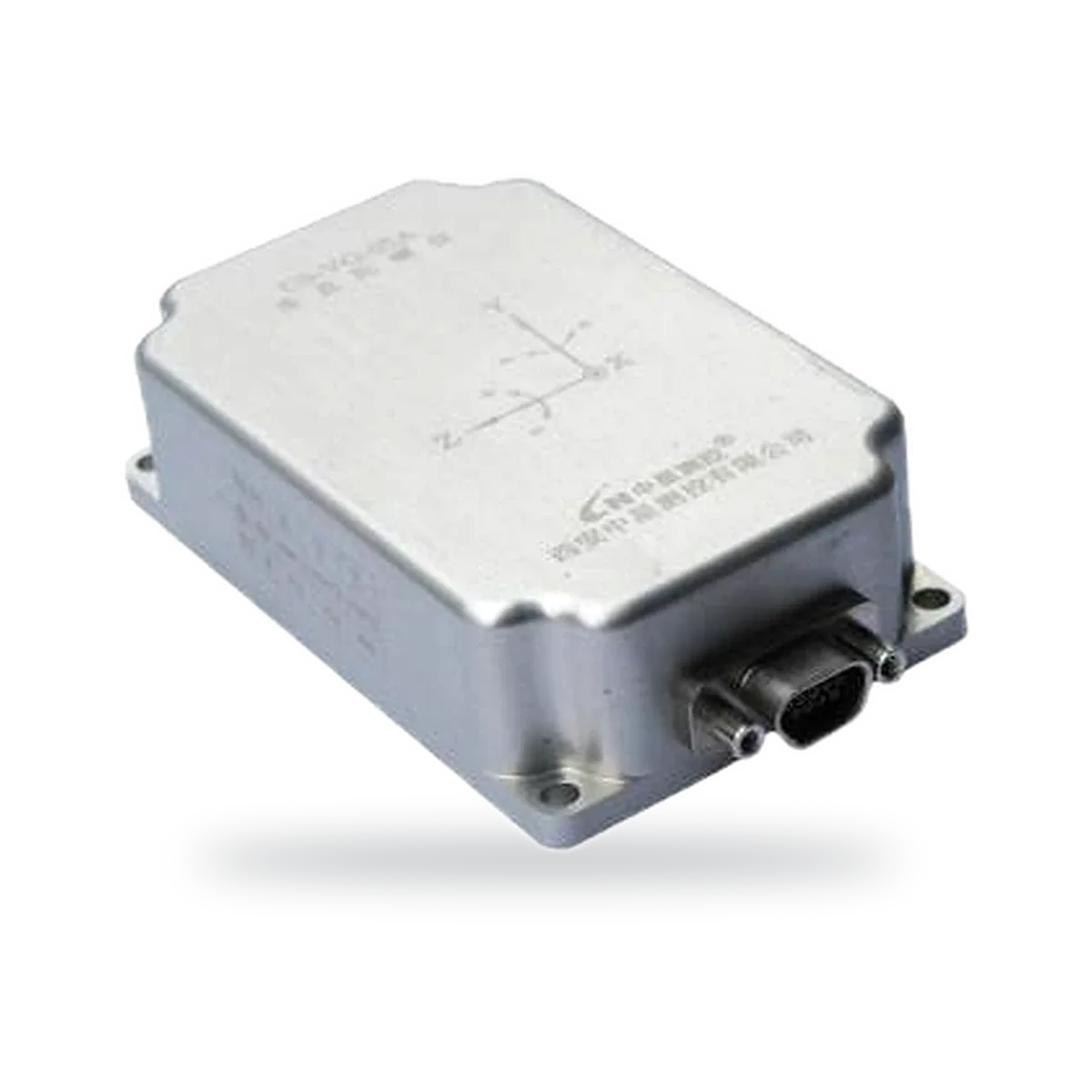
Vertical Gyroscope, RS422, Roll ± 180°, Pitch ± 90°
- Range
- ± 180 °
- Accuracy
- <0.8 °
Position and proximity sensors
Inductive proximity sensors, rotary encoders and linear position sensors for machines.
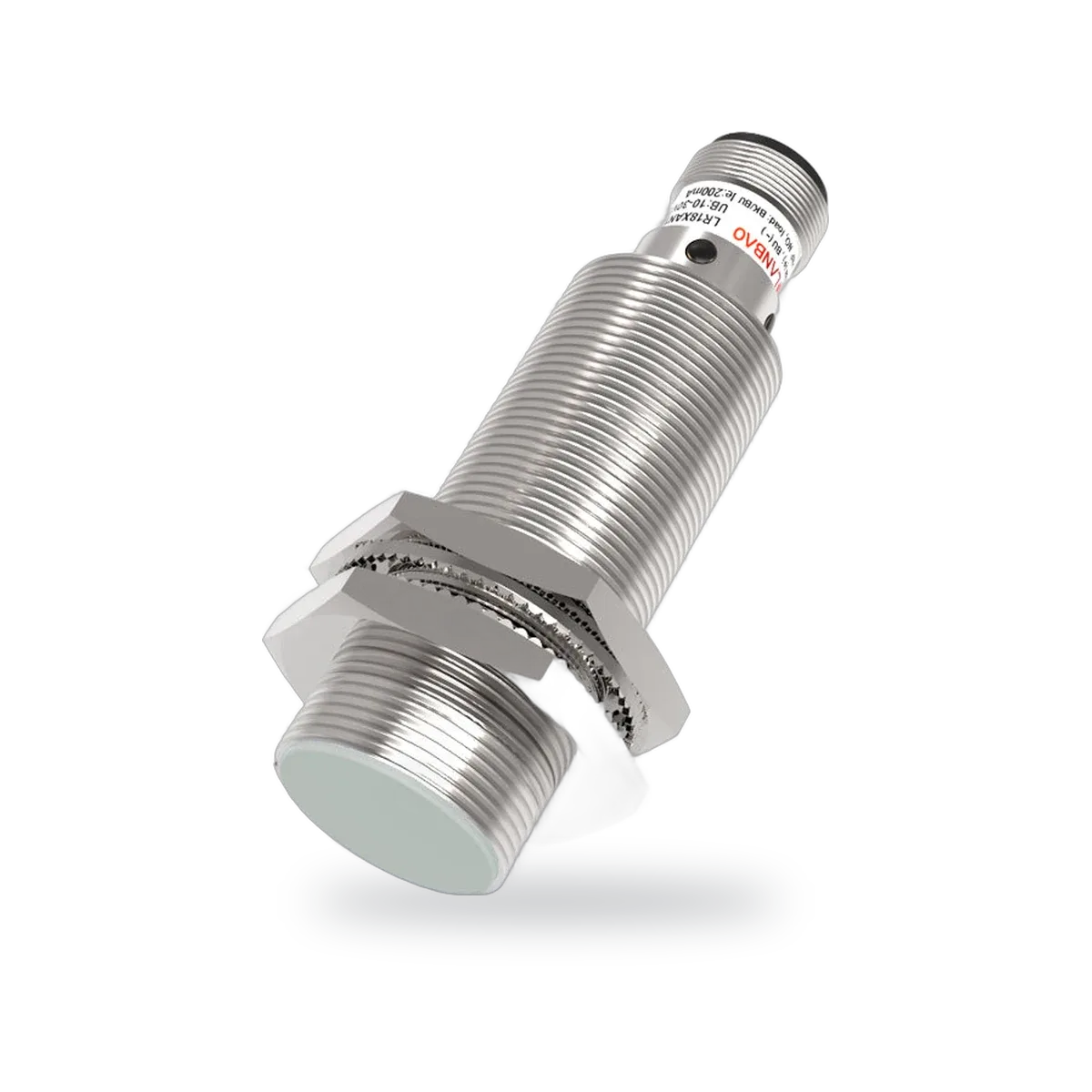
Inductive Proximity Sensor, M8 to M30, NPN or PNP
- Thread specification
- M8 / M12 / M18 / M30
- Output type
- NPN or PNP, NO or NC
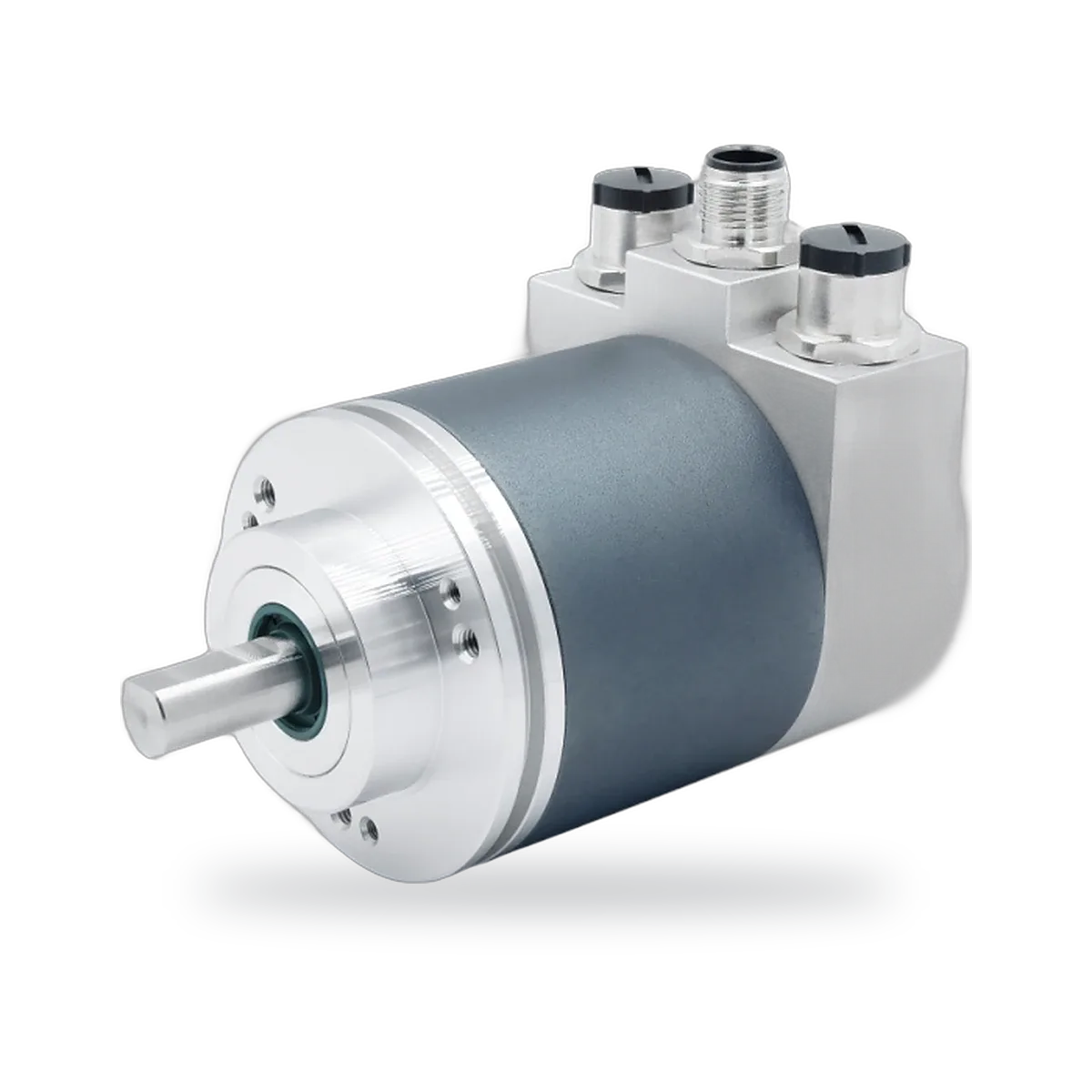
Absolute Magnetic Rotary Encoder, Ø58 mm, EtherCAT
- Resolution
- 16-bit single-turn, 14-bit multi-turn
- Electrical interface
- EtherCAT
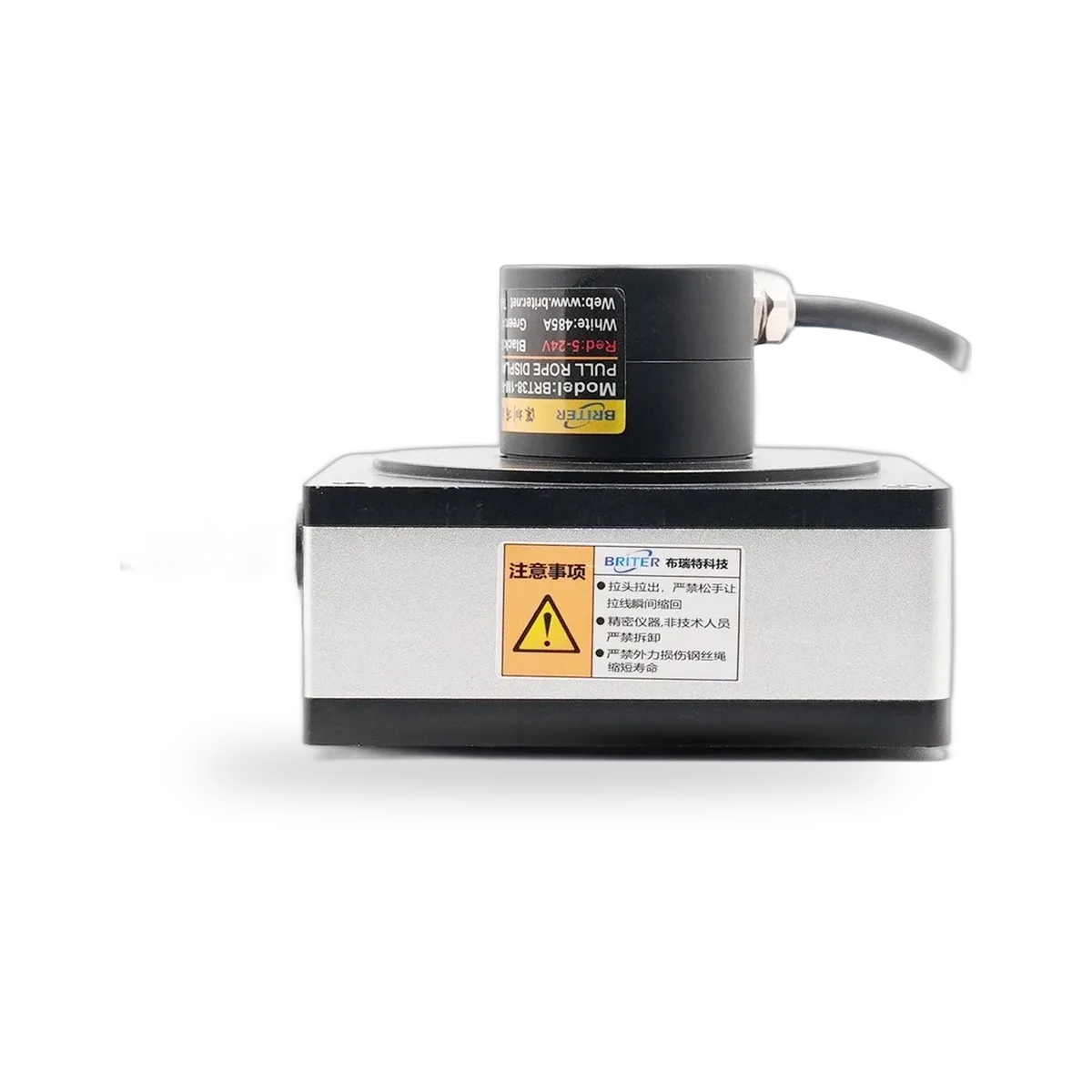
Draw-Wire Displacement Sensor, RS485 plus 4–20mA, 0–5V or 0–10V, up to 20 m
- Range
- 0.5–20 m
- Output
- RS485 + 4–20 mA, 0–5 V or 0–10 V
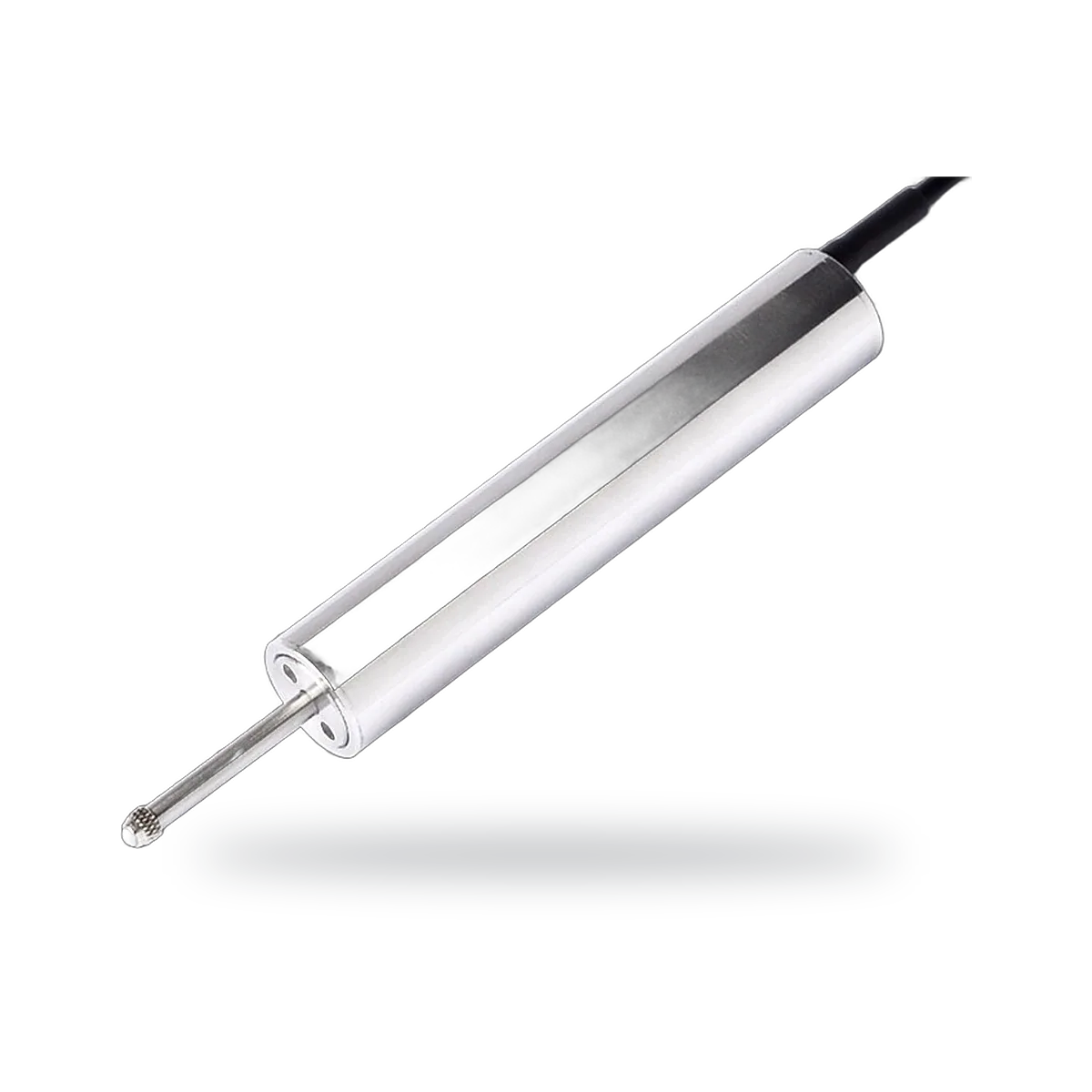
Spring-Return LVDT Displacement Sensor, Ø20 mm, 2.5 to 100 mm
- Range
- 2.5–100 mm
- Output
- 0–5 V, 0–10 V, 4–20 mA or RS485
Applications

Related articles

Accelerometer, inclinometer or IMU: which motion sensor do you need?
What accelerometers, inclinometers (tilt sensors), gyroscopes and IMUs each measure, how they differ on static and moving platforms, and how to pick one.

UART, PWM, RS485, 4 to 20 mA: choosing a sensor output
What each common sensor output does, cable length limits, and which to choose for a microcontroller, a PLC or a long field cable.