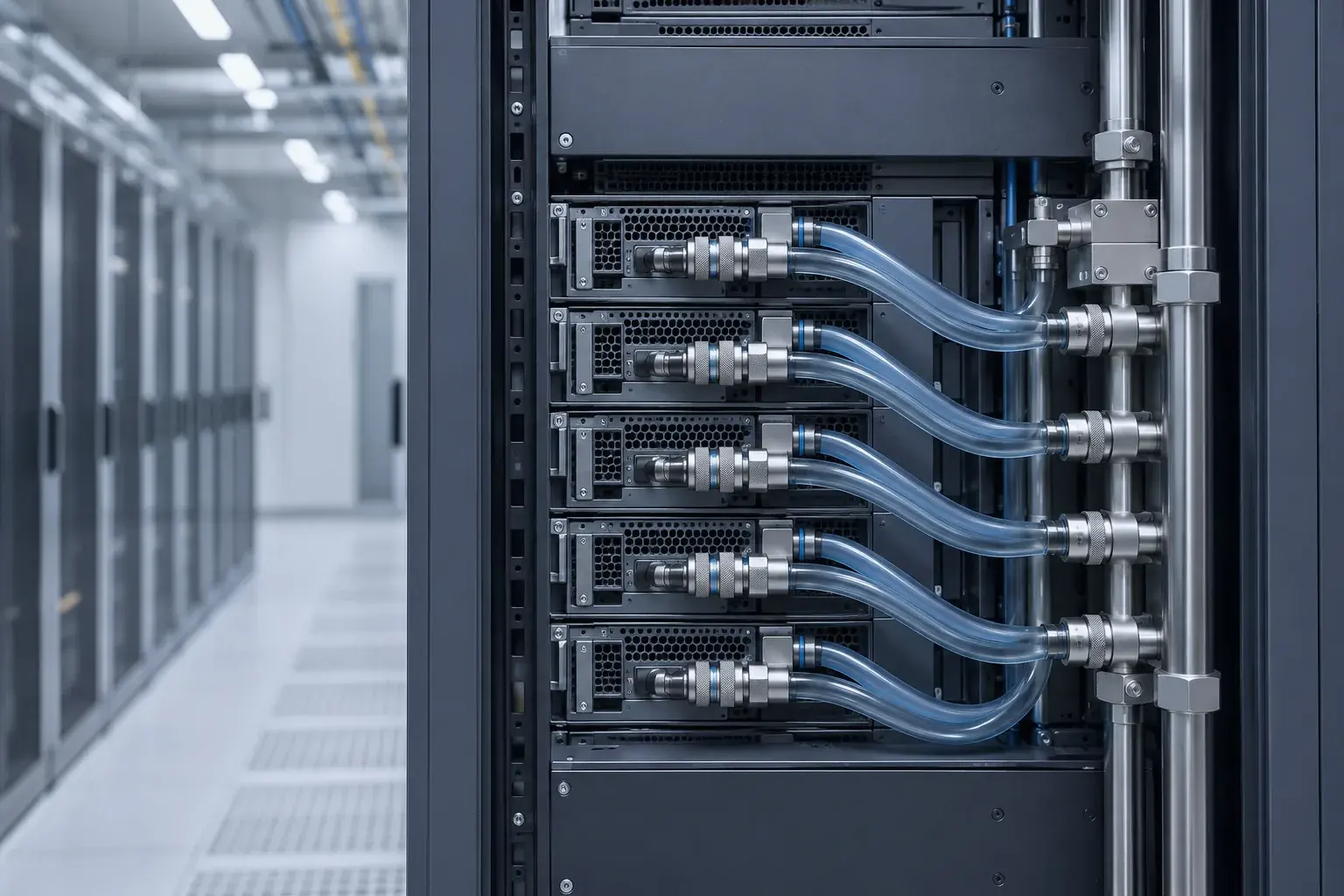
Wireless pressure sensors: LoRaWAN vs NB-IoT vs Bluetooth vs Zigbee vs cellular
DWIN Engineering, , 7 min read
Choose LoRaWAN when you can run your own gateways and want kilometers of range with no per-device data fees, NB-IoT when operator coverage is good and each sensor should connect straight to the cloud, Bluetooth for short-range readings by phone or a nearby gateway, and Zigbee for meshed sensors inside a plant. GPRS and LTE CAT.1 suit devices that need more data or mobility and can afford more power.
What is a wireless pressure sensor?
A wireless pressure sensor combines a pressure transmitter, a radio and usually a battery in one unit. It wakes up, measures, sends the value and goes back to sleep, so it can be fitted to a pipeline, hydrant or tank without running power or signal cables.
The radio decides most of the system: how far the signal reaches, what infrastructure you need, what the data costs and how long the battery lasts. The pressure part is the same as in a wired transmitter: range, accuracy and process connection.
LoRaWAN
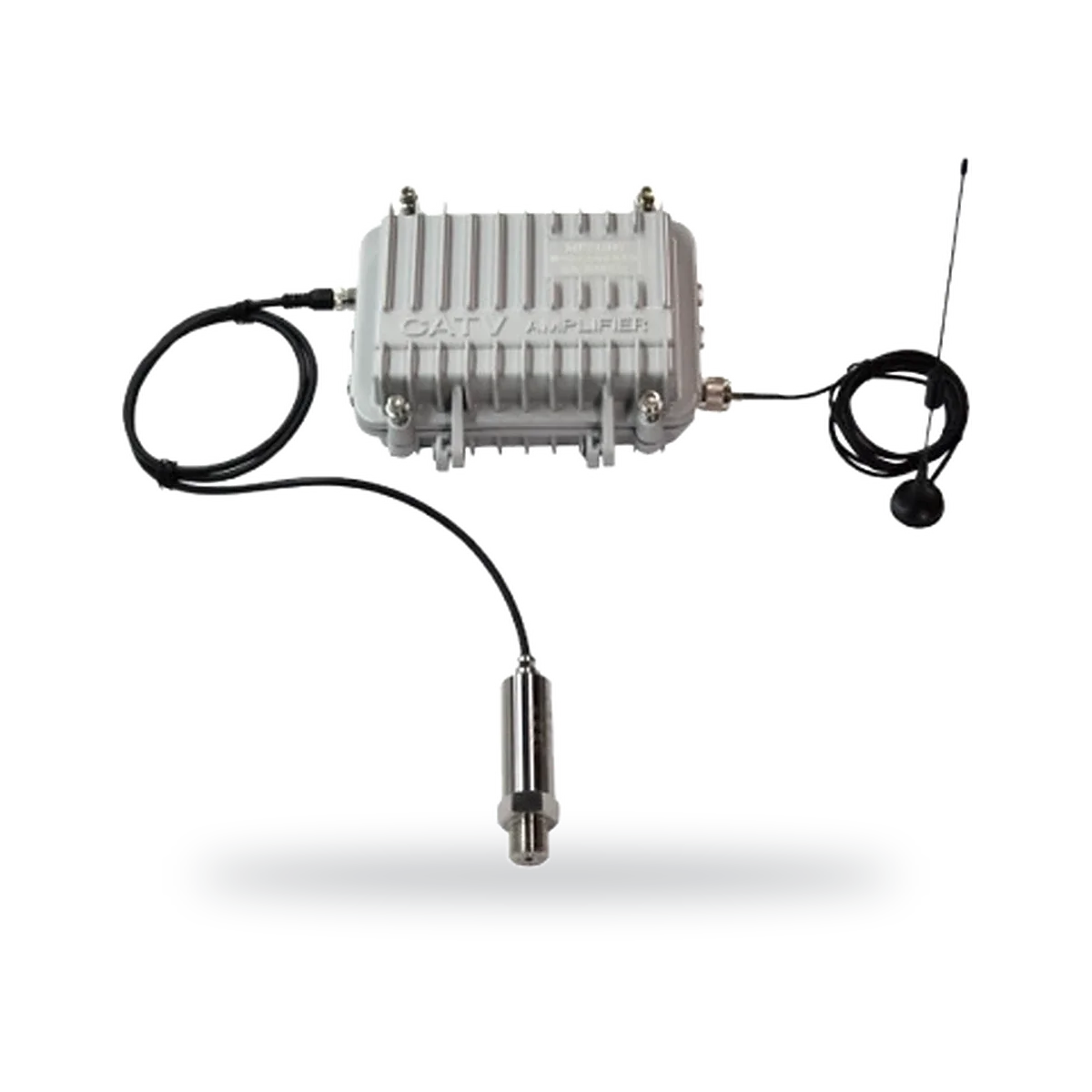
LoRaWAN uses license-free sub-GHz bands, such as 868 MHz in Europe and 915 MHz in the Americas, and a spread-spectrum modulation that can be received at very low signal levels. One gateway typically covers a few kilometers in a town and more in open country with a clear line of sight.
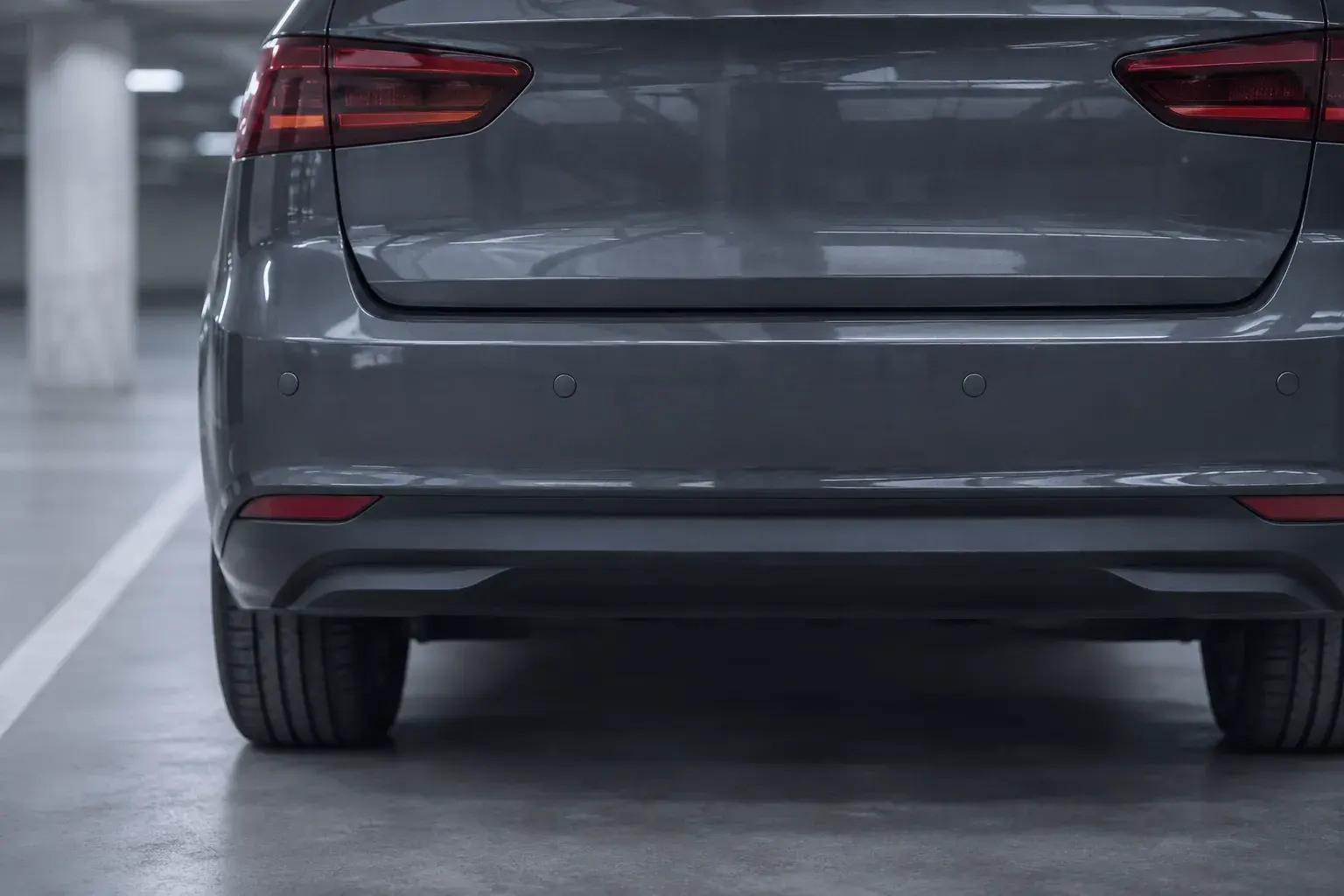
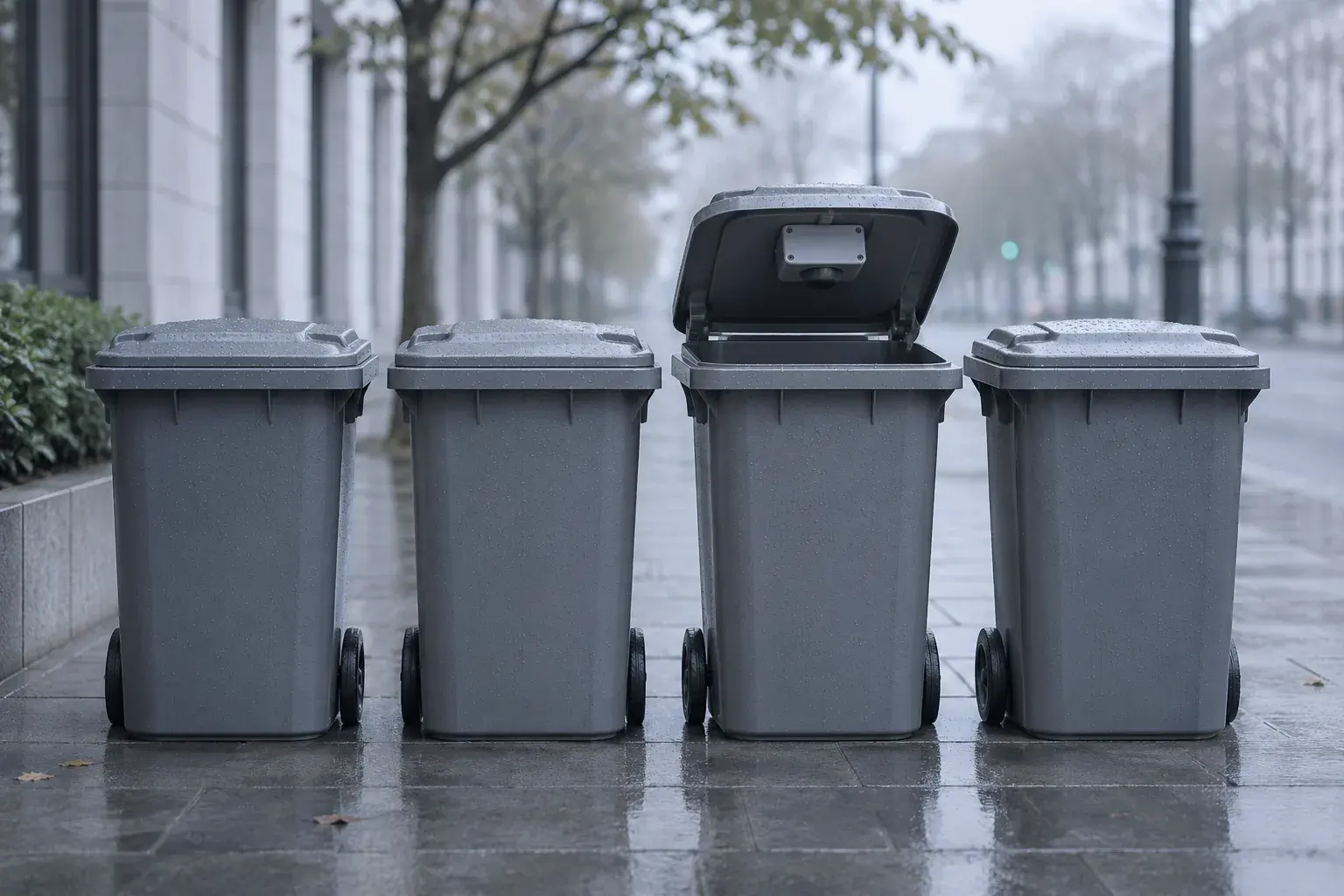
You need gateways, either your own or a network operator's, and a network server. On a private network there is no data fee per device. Data rates are low, so LoRaWAN suits small, infrequent readings. Most battery sensors are Class A devices: they listen for commands only briefly after each uplink, which saves power. DWIN's LoRaWAN parking and manhole sensors, such as the CS-iTVP-05 and CS-iTWGLM, are Class A devices, and the CS-iTLLS-05 pressure-based level sensor also offers LoRaWAN.
NB-IoT
NB-IoT (Narrowband IoT) is a low-power cellular standard that runs on operators' LTE networks, in bands such as B1, B3, B5, B8 and B20. It needs no gateway of your own, reaches deep into basements and underground chambers better than ordinary cellular service, and sends each reading straight to a server.
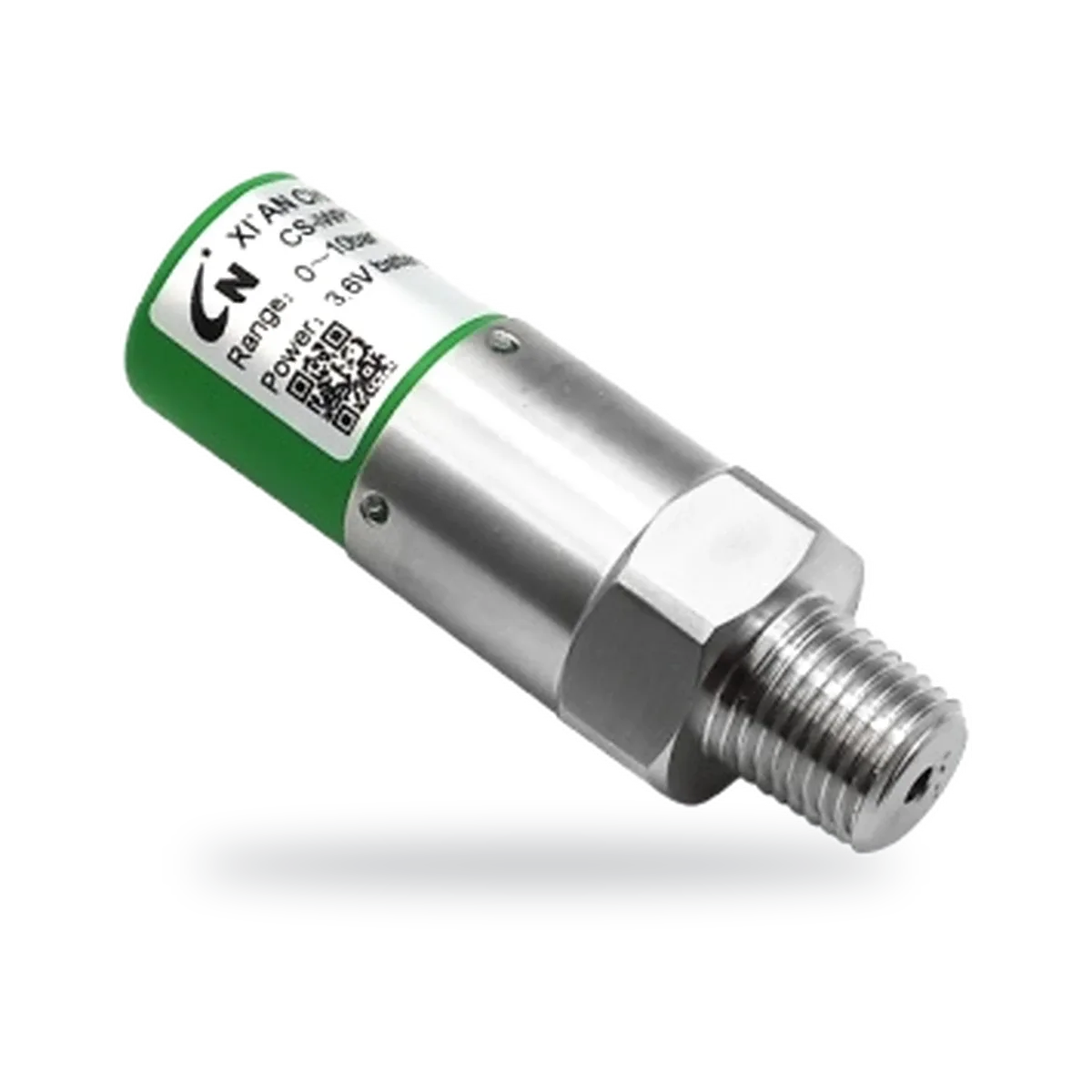
Each device needs a SIM and a data plan, and coverage depends on the operator and country. The radio draws more current while transmitting than LoRaWAN, so battery life depends heavily on the reporting interval and signal strength. DWIN's CS-iGPM-01 pressure data logger and CS-iWPT-304 pressure and temperature transmitter report over NB-IoT.
Bluetooth Low Energy
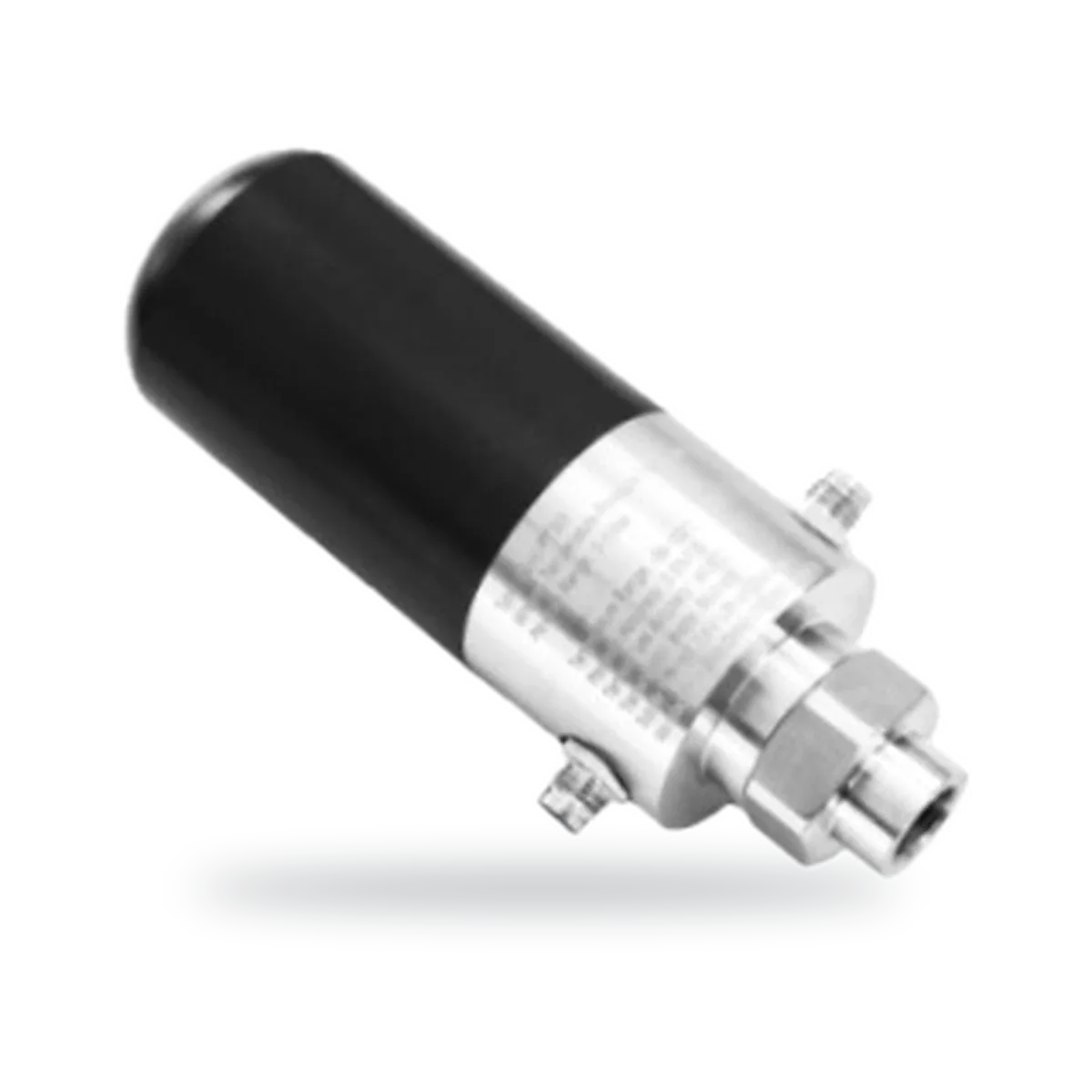
Bluetooth Low Energy (BLE) works at 2.4 GHz over tens of meters. A phone app can read and configure the sensor on site, and a gateway nearby can forward data to the cloud. There is no subscription and very low power: DWIN's CS-iWPT302-P (Bluetooth 5.1) is rated for more than 5 years at a 60 s sampling interval and 10 s broadcast interval.
BLE does not cover a whole site on its own, so it suits walk-by inspection, machine rooms and places where a gateway can sit within range. The CS-iWPT301 (Bluetooth 4.2) covers 0 to 35 bar and −50 to 150 °C for oil, steam and heating pipelines.
Zigbee
Zigbee is a 2.4 GHz mesh network based on IEEE 802.15.4. Mains-powered routers pass messages from node to node, so a network can grow across a building or plant, with a coordinator connecting it to the control system. Battery sensors are end nodes that sleep between reports.
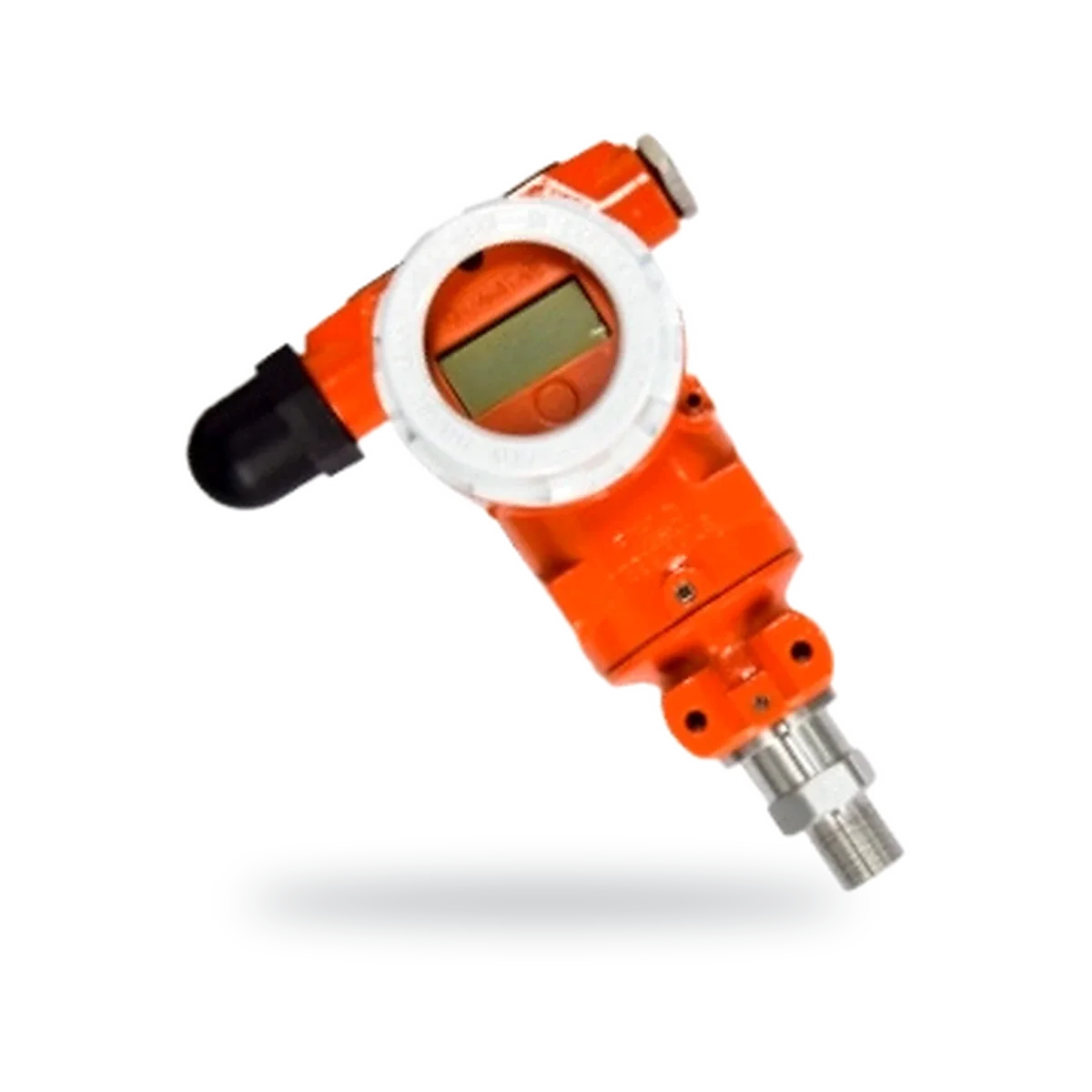
DWIN's CS-iPT608-C is a Zigbee pressure transmitter for 0 to 40 MPa with an LCD and keypad. Its battery lasts more than six months with a 5-minute data update, which shows how much more power a frequently reporting 2.4 GHz device uses than a sub-GHz one reporting a few times a day.
GPRS and LTE CAT.1
GPRS (2G) and LTE CAT.1 are ordinary cellular data services. They carry more data than NB-IoT, handle moving devices and are supported by almost every operator where LTE exists. They use more power, so battery devices report less often or use larger batteries. 2G and 3G networks have been or are being switched off in many countries, so check local coverage before choosing GPRS. DWIN's manhole monitors, such as the CS-iTWLM, offer CAT.1 alongside NB-IoT.
Side by side
| LoRaWAN | NB-IoT | Bluetooth LE | Zigbee | GPRS / CAT.1 | |
|---|---|---|---|---|---|
| Frequency | Sub-GHz, license-free | Licensed LTE bands | 2.4 GHz | 2.4 GHz | Licensed cellular bands |
| Typical range | Kilometers per gateway | Operator coverage | Tens of meters | Tens of meters per hop, mesh | Operator coverage |
| Infrastructure | Gateways and network server | Operator network, SIM | Phone or local gateway | Coordinator and routers | Operator network, SIM |
| Data cost | None on a private network | Plan per device | None | None | Plan per device |
| Power | Very low | Low, higher peaks | Very low | Low | Highest |
| Best for | Campus, city and farm networks | Scattered sites with good coverage | Walk-by reading, machine rooms | Dense sensors in one building | More data, moving assets |
DWIN wireless pressure products
| Model | Radio | Pressure range | Battery life (as specified) |
|---|---|---|---|
| CS-iGPM-01 | NB-IoT (LoRaWAN under development) | Reads a 0.25 to 2.25 V transmitter signal | 3 to 5 years |
| CS-iWPT-304 | NB-IoT | 0–600 kPa (to 20 MPa custom), plus temperature | ≥2 years at 10 min sampling |
| CS-iPT608-C | Zigbee 2.4 GHz | 0–40 MPa | More than six months at 5 min updates |
| CS-iWPT301 | Bluetooth 4.2 | 0–35 bar, plus temperature | More than 12 months |
| CS-iWPT302-P | Bluetooth 5.1 | 0–50 bar | More than 5 years at 60 s sampling |
| CS-iTLLS-05 | GSM/GPRS, LoRaWAN or NB-IoT | Level 0–5 m by pressure | Standby more than 6 years |
What decides battery life?
- Reporting interval: each transmission costs far more energy than sleeping, so halving the number of messages roughly doubles the life of a radio-dominated device
- Sampling interval: powering the pressure sensor also takes energy; the CS-iGPM-01 switches a 5 V output to the transmitter only when it measures
- Signal strength: a weak link makes cellular radios transmit longer and at higher power, and makes LoRaWAN use slower data rates
- Sleep current: the CS-iGPM-01 sleeps below 25 µA and the CS-iTLLS-05 below 50 µA
- Temperature: lithium cells deliver less capacity in the cold
- Alarms and retries: frequent threshold alarms and failed messages shorten the life
Frequently asked questions
What is a LoRaWAN sensor?
A LoRaWAN sensor is a battery-powered device that sends its readings over LoRaWAN, a long-range, low-power radio network in license-free sub-GHz bands. Readings go to a gateway, often kilometers away, and on to a network server. DWIN's LoRaWAN devices include the CS-iTLLS-05 level sensor, CS-iTVP-05 parking sensor and CS-iTWGLM manhole cover monitor.
Is NB-IoT or LoRaWAN better?
NB-IoT is better when operator coverage is good and you do not want to install gateways, because each sensor connects to the cloud through the cellular network. LoRaWAN is better when you can run your own gateways, want no per-device data fees, or work where NB-IoT coverage is missing. Battery life is similar at low reporting rates, but NB-IoT draws higher peak current.
How long does the battery last in a wireless pressure sensor?
It depends mostly on how often the sensor measures and transmits, and on signal strength. DWIN's specified figures range from more than six months for the Zigbee CS-iPT608-C at 5-minute updates to more than 5 years for the Bluetooth CS-iWPT302-P at a 60 s sampling interval. Ask for the battery calculation at your own reporting interval.
How far can a wireless pressure sensor transmit?
Bluetooth and Zigbee reach tens of meters per link, and Zigbee extends that through mesh routers. LoRaWAN reaches a few kilometers in towns and farther in open country. NB-IoT and other cellular sensors work wherever the operator has coverage.
Can a wireless pressure sensor replace a 4 to 20 mA transmitter?
For monitoring, yes: it removes the cable and reports values to a server. For closed-loop control it usually cannot, because battery sensors report every few minutes and wireless links can drop messages. Keep wired transmitters where a controller needs a continuous, fast signal.