How to choose a pressure transmitter
DWIN Engineering, , 6 min read
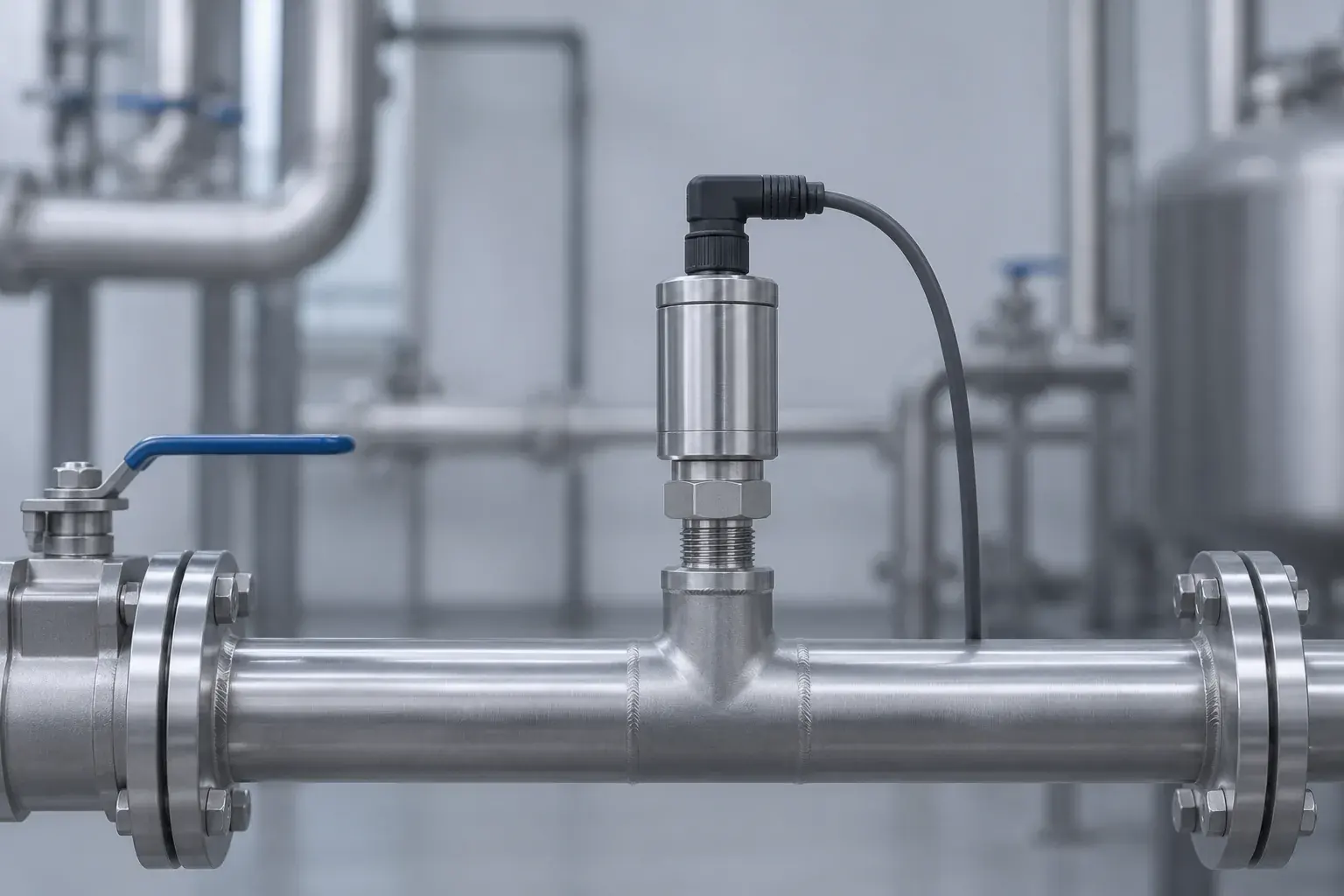
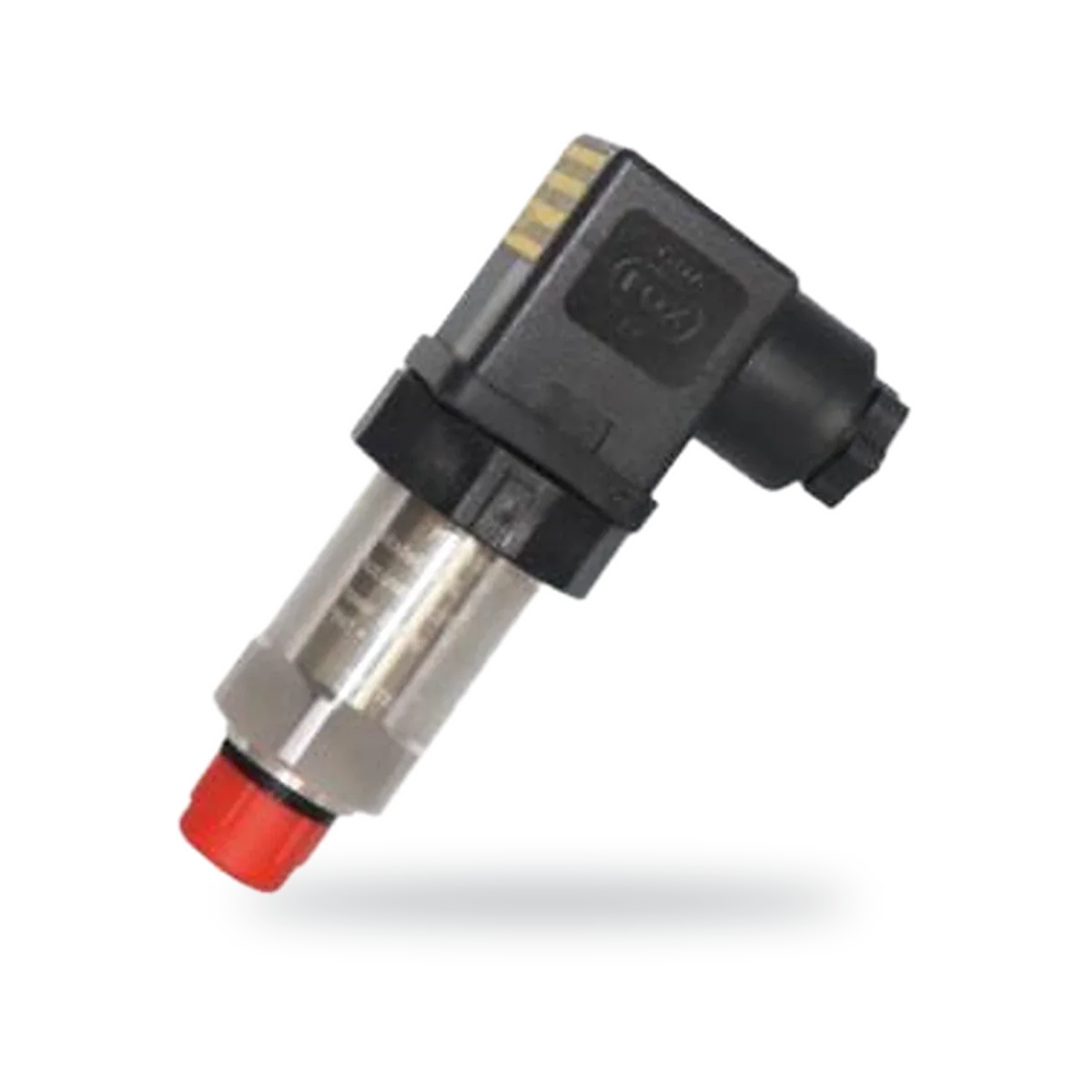
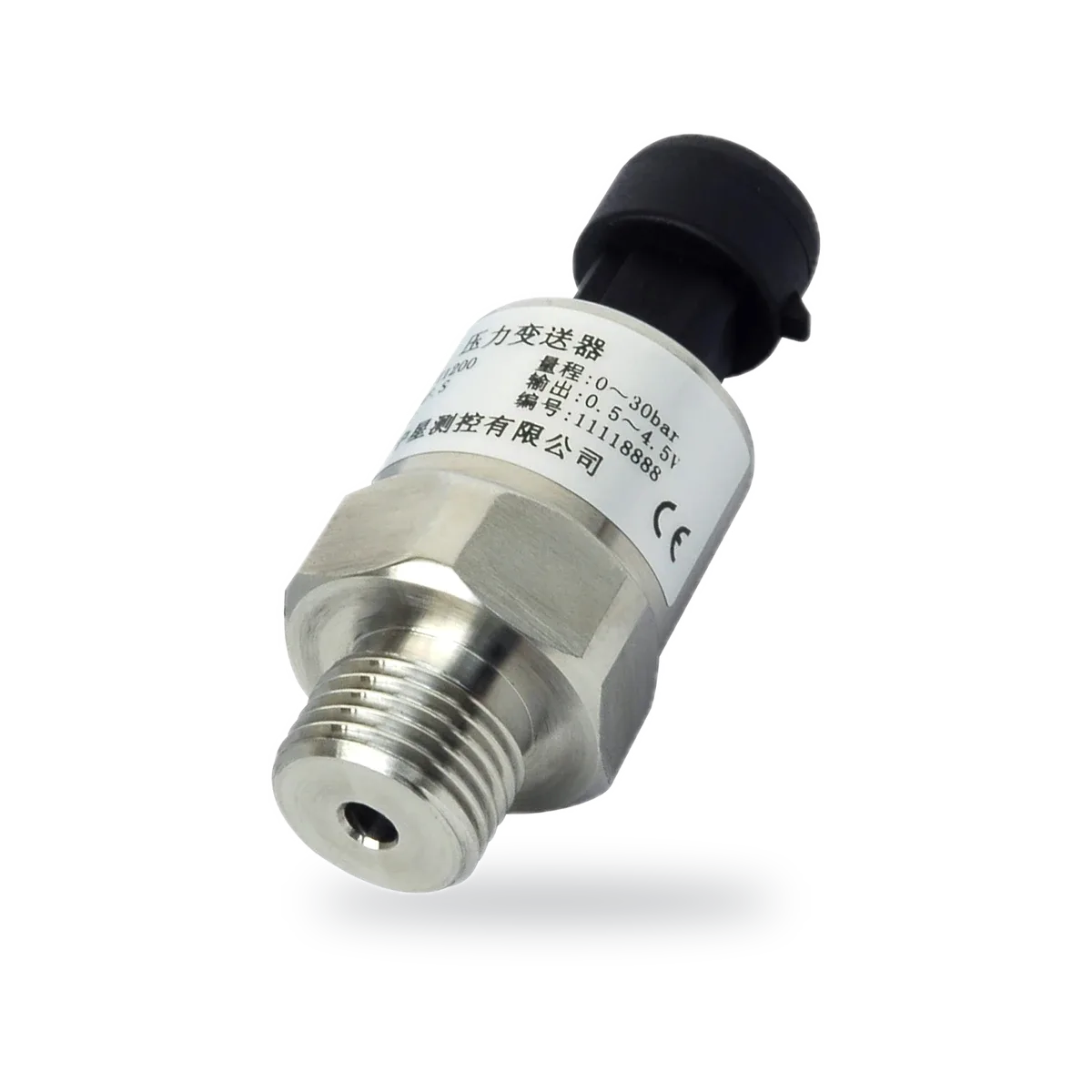
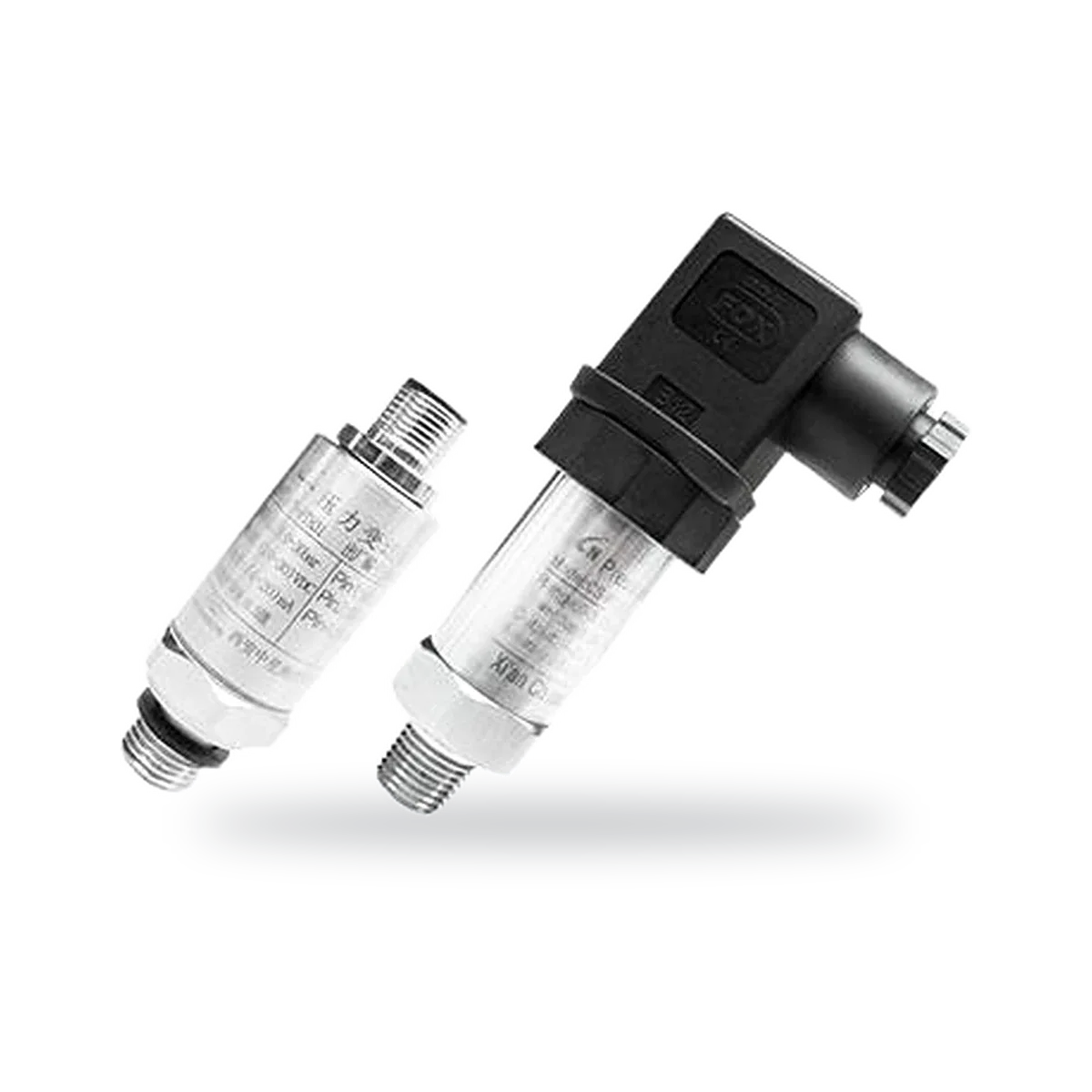
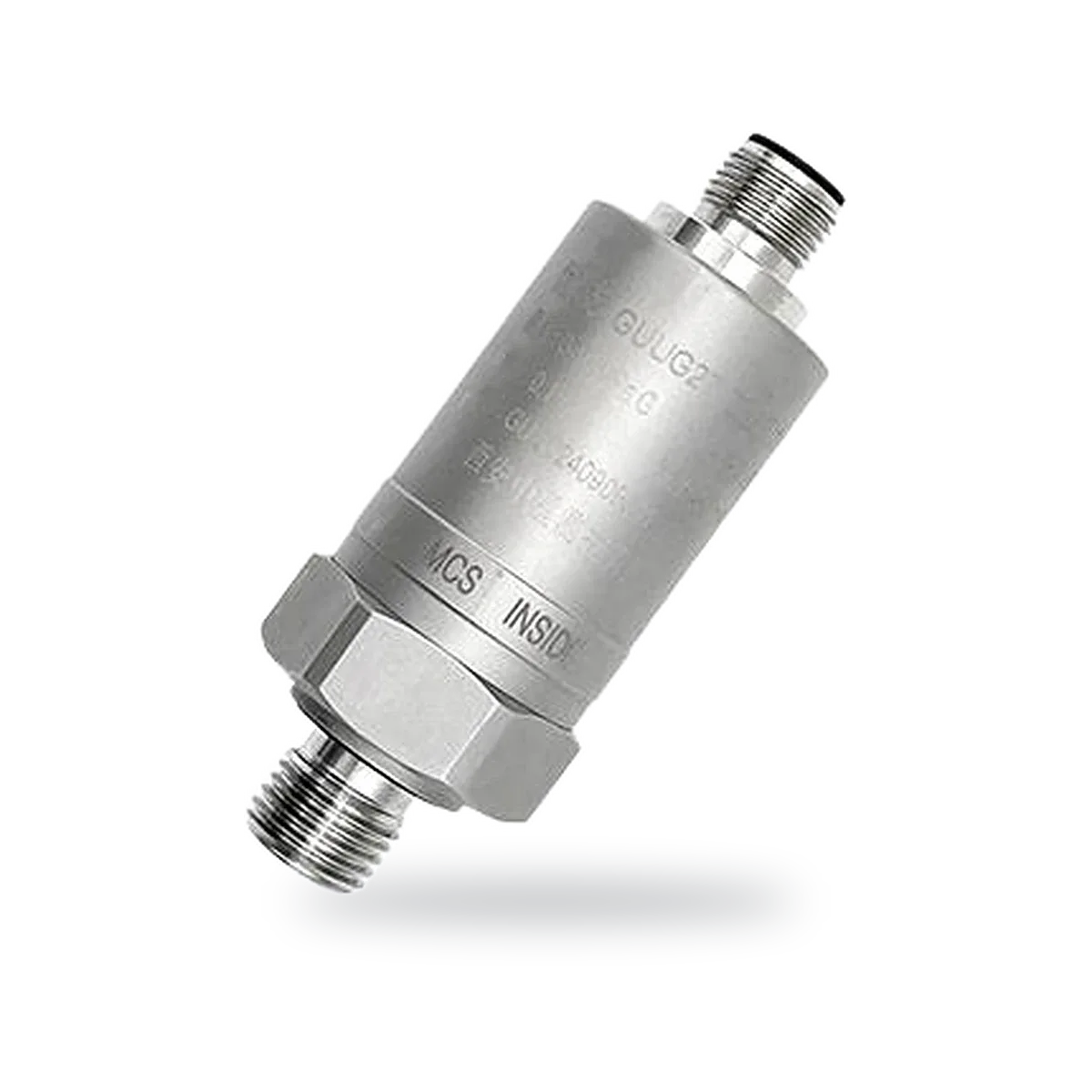
Start from the pressure type (gauge, absolute or differential) and the normal operating range, then choose a range about 1.5 to 2 times the normal pressure, an accuracy class, the output your controller reads (4 to 20 mA, 0 to 10 V, RS485), the process connection and wetted materials for the medium, and any approvals the site requires.
1. Pressure type
- Gauge: relative to atmosphere, for pumps, hydraulics and water networks
- Absolute: relative to vacuum, for vacuum systems and barometric work
- Sealed gauge: relative to a sealed reference, for high ranges
- Differential: the difference between two ports, for filters, flow and level in closed tanks
2. Range and overload
Pick a range so normal operation sits in the upper half of it, typically 1.5 to 2 times the normal pressure. Check the overload pressure against pressure spikes and water hammer, and the burst pressure as the last safety margin.
3. Accuracy
Datasheets give accuracy as a percentage of full scale (%FS), usually covering non-linearity, hysteresis and repeatability at reference temperature. Add the temperature error over your operating range and the long-term stability to estimate the real error budget.
4. Output and power
| Output | Best for |
|---|---|
| 4 to 20 mA, 2-wire | Long cables, PLCs, loop power |
| 0 to 5 V or 0 to 10 V | Short cables, OEM controllers |
| RS485 Modbus RTU | Several transmitters on one bus, digital diagnostics |
| NB-IoT or LoRa wireless | Remote sites without power or cables |
5. Process connection and materials
Match the thread (G1/4, 1/2 NPT, M20×1.5 and others) to your fitting. For water and most fluids, a 316L stainless steel diaphragm is standard; aggressive media may need ceramic, Hastelloy or a diaphragm seal. Check the seal material against the medium and temperature.
6. Environment
Check the medium and ambient temperature ranges, ingress protection for the location, vibration, and whether the site needs explosion protection or marine approval.
Frequently asked questions
What is a 4-20 mA pressure transmitter?
It is a pressure transmitter whose output is a current between 4 mA at the bottom of its range and 20 mA at the top. Most are 2-wire devices powered by the same loop, typically from 10 to 30 VDC. The current is not affected by cable resistance, so it suits long runs to a PLC.
How do you convert a 4-20 mA signal to pressure?
Pressure = (I − 4 mA) ÷ 16 mA × span + range start. On a 0 to 10 bar transmitter, 12 mA means (12 − 4) ÷ 16 × 10 = 5 bar. A reading below about 3.8 mA usually means a broken wire or a fault rather than a real pressure.
What is the difference between a pressure sensor and a pressure transmitter?
A pressure sensor is the element that responds to pressure, often giving a millivolt signal. A pressure transmitter adds amplification, temperature compensation and a standard output such as 4 to 20 mA, 0 to 10 V or RS485 in a housing with a process connection. The names are often used loosely for the same product.