Fuel level sensors compared: ultrasonic, float, capacitive
DWIN Engineering, , 5 min read
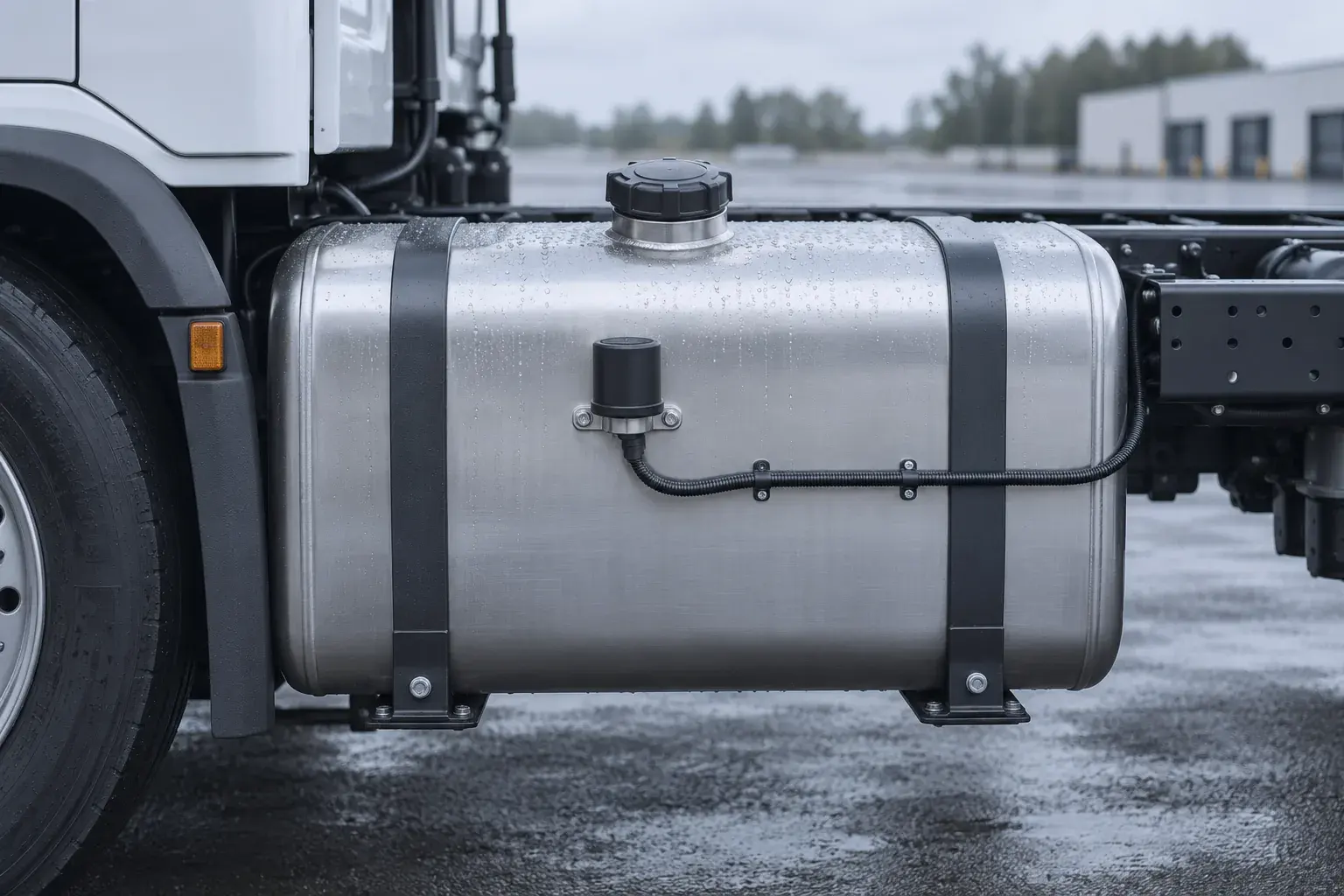
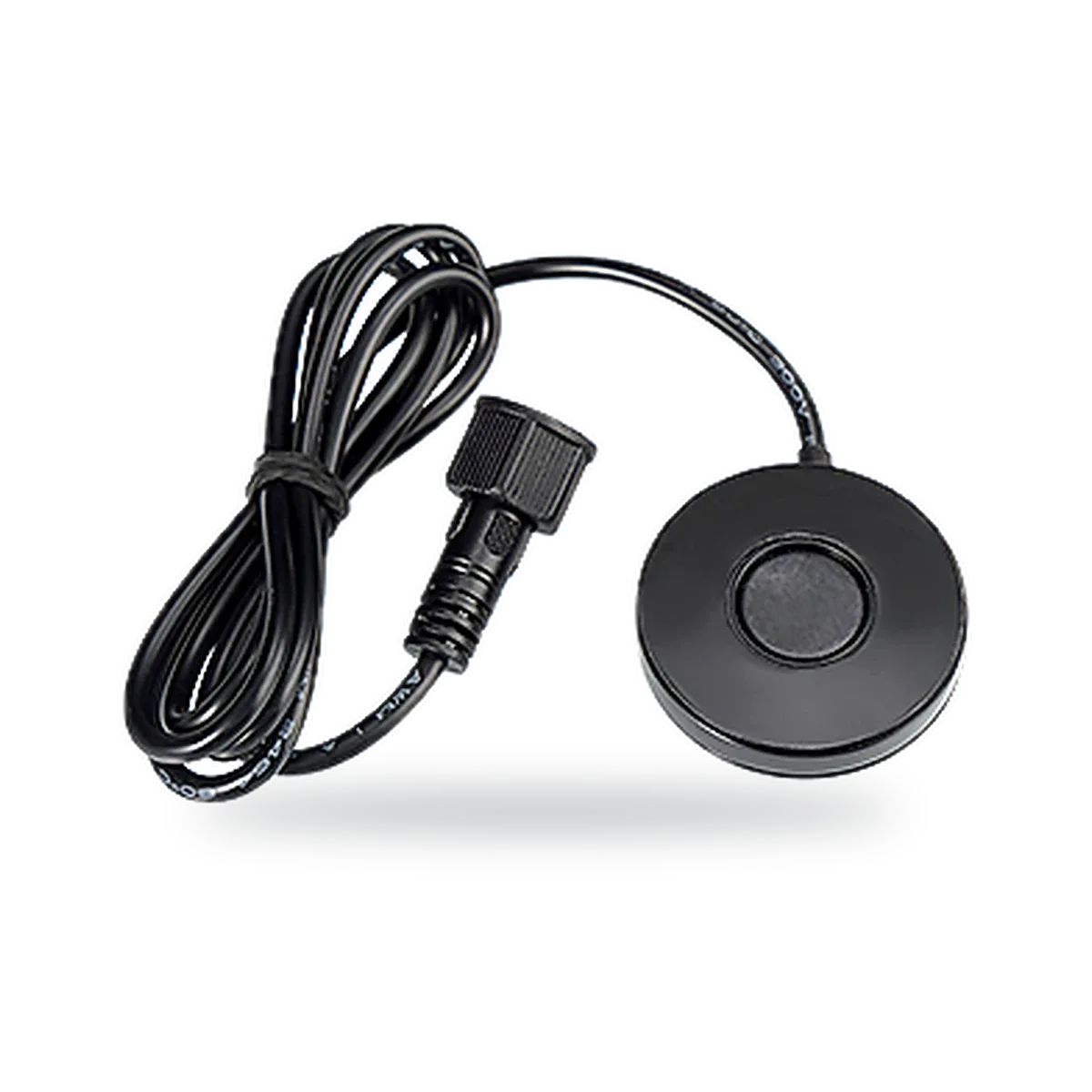
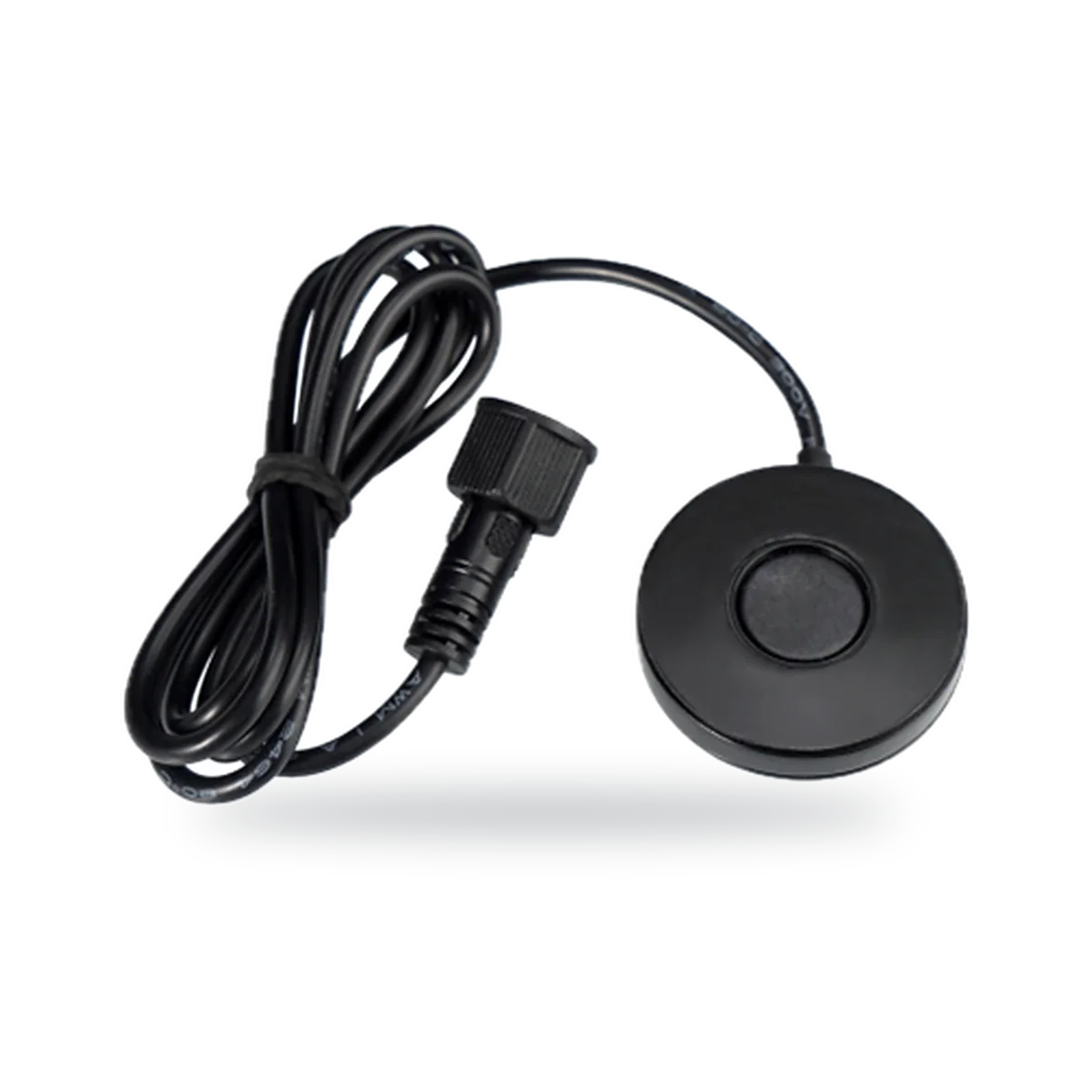
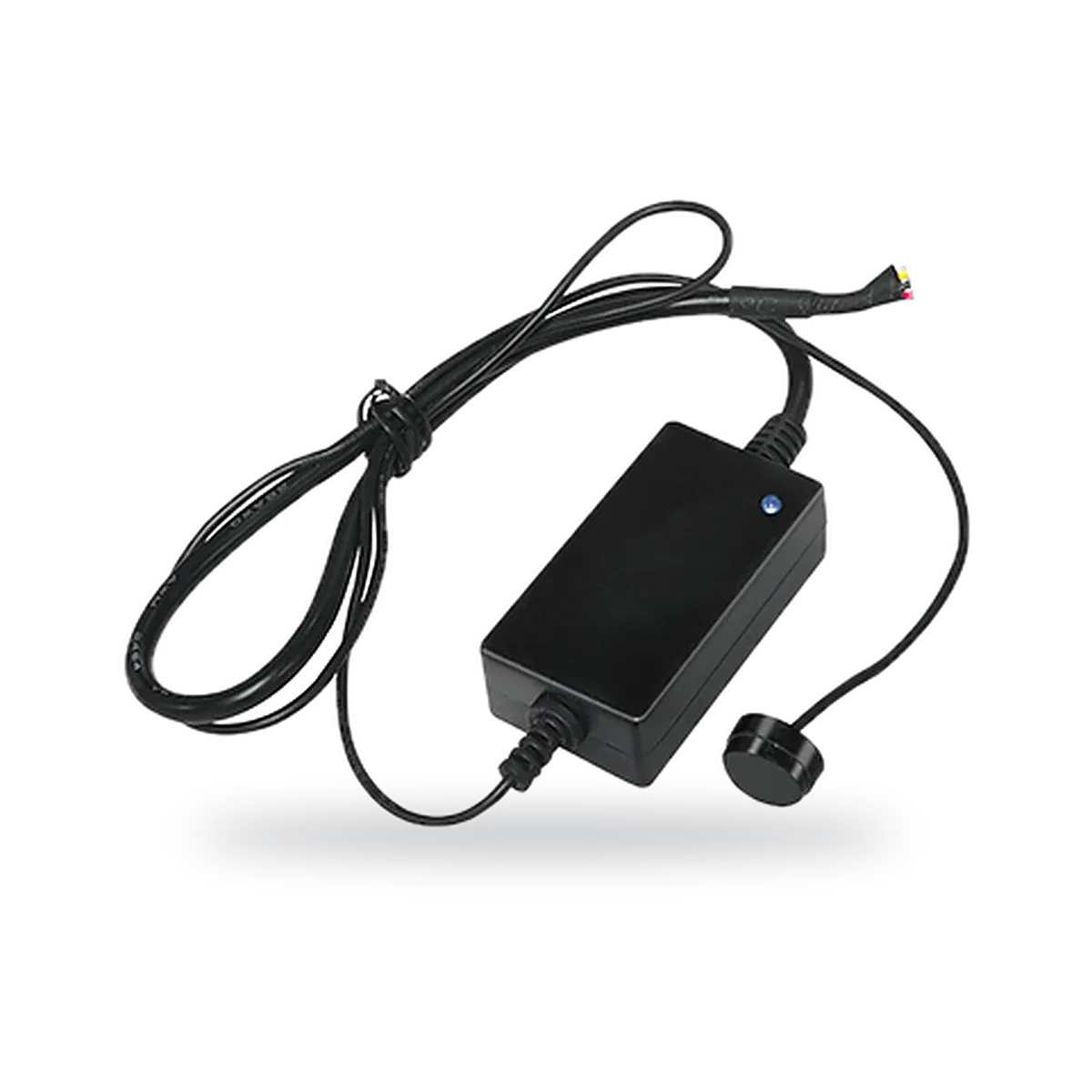
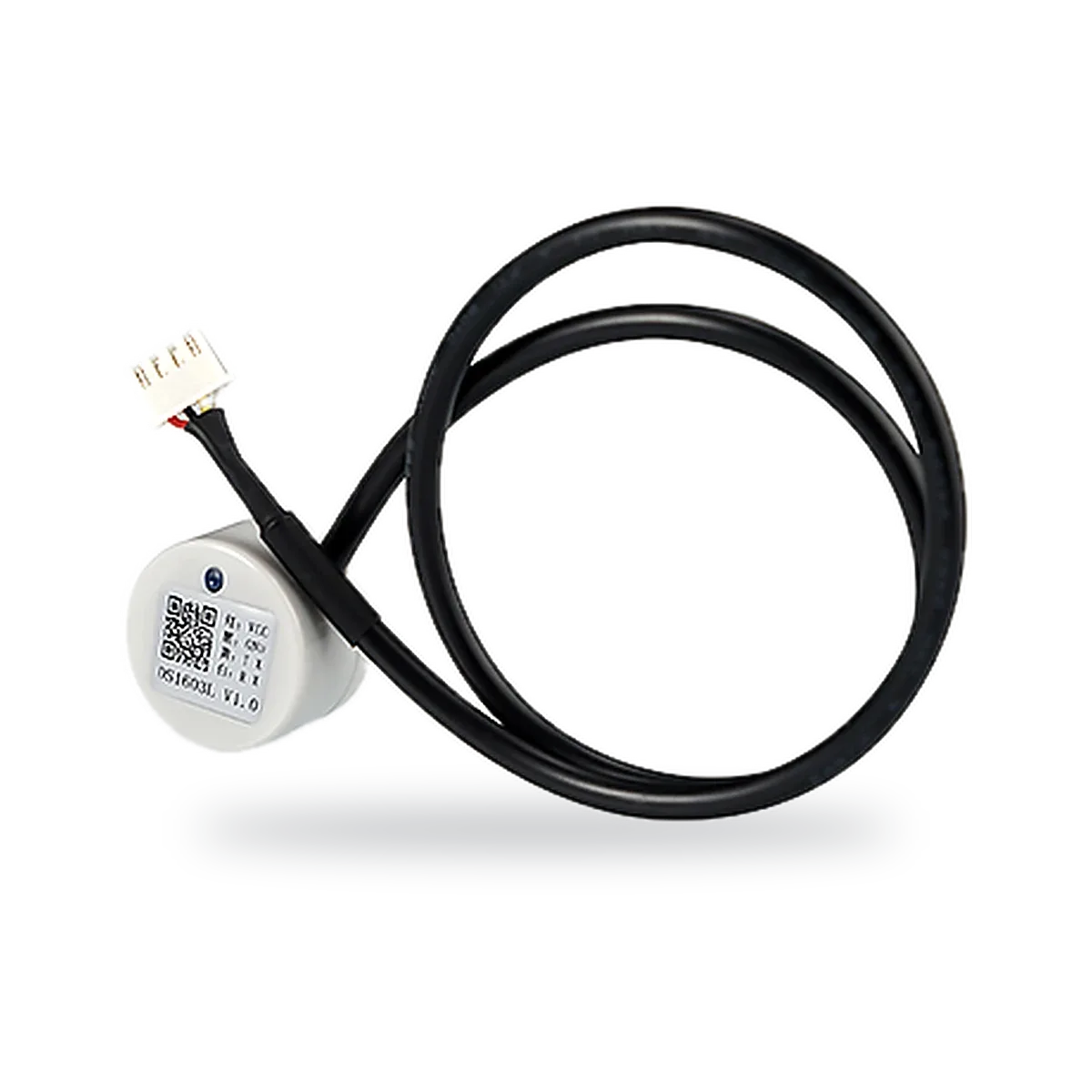
Float senders measure fuel level with a float on an arm or rod and are simple but have moving parts. Capacitive probes measure level along a rod inserted into the tank. Ultrasonic fuel level sensors time an echo from the fuel surface and have no moving parts; some mount outside the tank bottom, so the tank does not need to be opened or drilled.
Float senders
A float rides on the fuel surface and moves a resistor or a set of reed switches. The output follows the float, so it is easy to read with a gauge. The weak points are the moving parts, sensitivity to tank shape, and wear from sloshing.
Capacitive probes
A capacitive probe is a rod with two electrodes. Fuel between them changes the capacitance in proportion to the wetted length, which gives level along the probe. Capacitive probes have no moving parts but must be cut or calibrated to the tank depth, and water or contamination in the fuel shifts the reading.
Ultrasonic fuel level sensors
An ultrasonic sensor sends a pulse and times the echo from the liquid surface. Mounted at the top, it measures the distance down to the fuel. Mounted outside the tank bottom, it sends the pulse up through the wall and the fuel, so installation needs no hole in the tank, which is useful for retrofits and pressurised or sealed tanks.
Sound travels at different speeds in different fuels and changes with temperature, so an ultrasonic fuel sensor is configured for the medium and compensates for temperature. The tank wall must be solid enough to carry the signal for external mounting.
At a glance
| Float | Capacitive | Ultrasonic | |
|---|---|---|---|
| Moving parts | Yes | No | No |
| Opens the tank | Yes | Yes | Top mount yes, external mount no |
| Tank-specific setup | Arm or rod length | Probe cut and calibration | Tank height or medium setting |
| Typical outputs | Resistance | Analog, RS232, RS485 | UART, RS485, analog |
How to choose
- Fleet telematics and anti-theft monitoring: a sensor with RS485 or another digital output your tracker reads
- Retrofit without drilling: externally mounted ultrasonic sensor
- Very shallow or irregular tanks: check the sensor blind zone and beam against the tank geometry
- Confirm the fuel type, temperature range and approvals required for your vehicles or site
Frequently asked questions
Can an ultrasonic sensor measure diesel level?
Yes. Ultrasonic sensors measure diesel from above or, mounted outside the tank bottom, through the wall, with no moving parts in the fuel. Sound travels at a different speed in diesel than in water, so the sensor must be set for the medium. DWIN's U02 and U03 are external ultrasonic sensors for fuel tanks.
How accurate is an ultrasonic fuel level sensor?
External ultrasonic sensors typically reach millimeter-level resolution. DWIN's U03 is specified at ≤5.0 mm over 70 to 2,000 mm and the U02 at 1.0% over 50 to 1,000 mm. Converting level to volume also needs an accurate tank shape table.
Can a fuel level sensor detect fuel theft?
Yes, when its readings are logged by a tracker or telematics unit. A sudden drop in level while the vehicle is parked, with no matching consumption, points to theft or a leak. Sensors with digital outputs such as RS485 make the data easy to send to a fleet platform.