Direct vs indirect TPMS: how tire pressure monitoring works
DWIN Engineering, , 4 min read
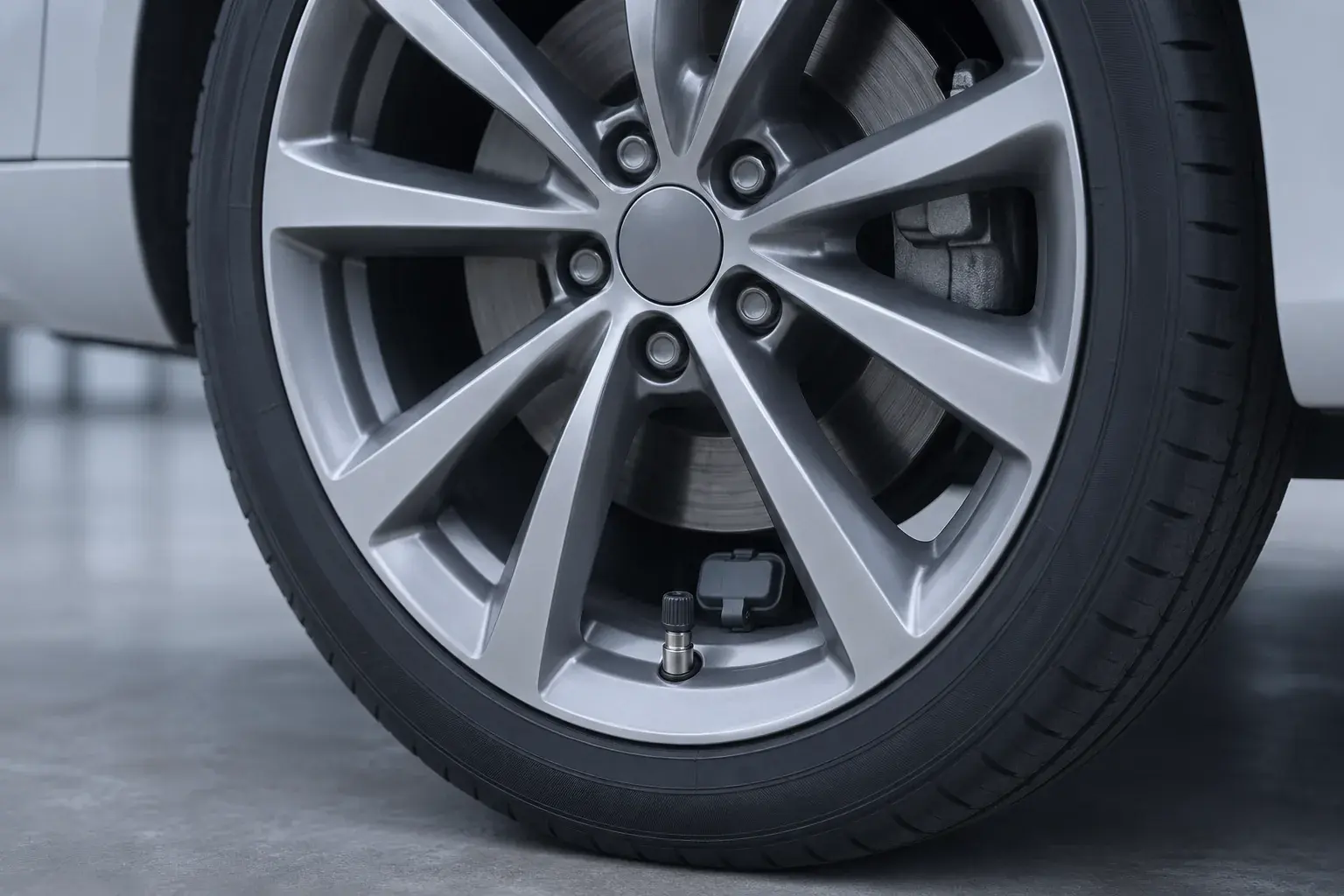
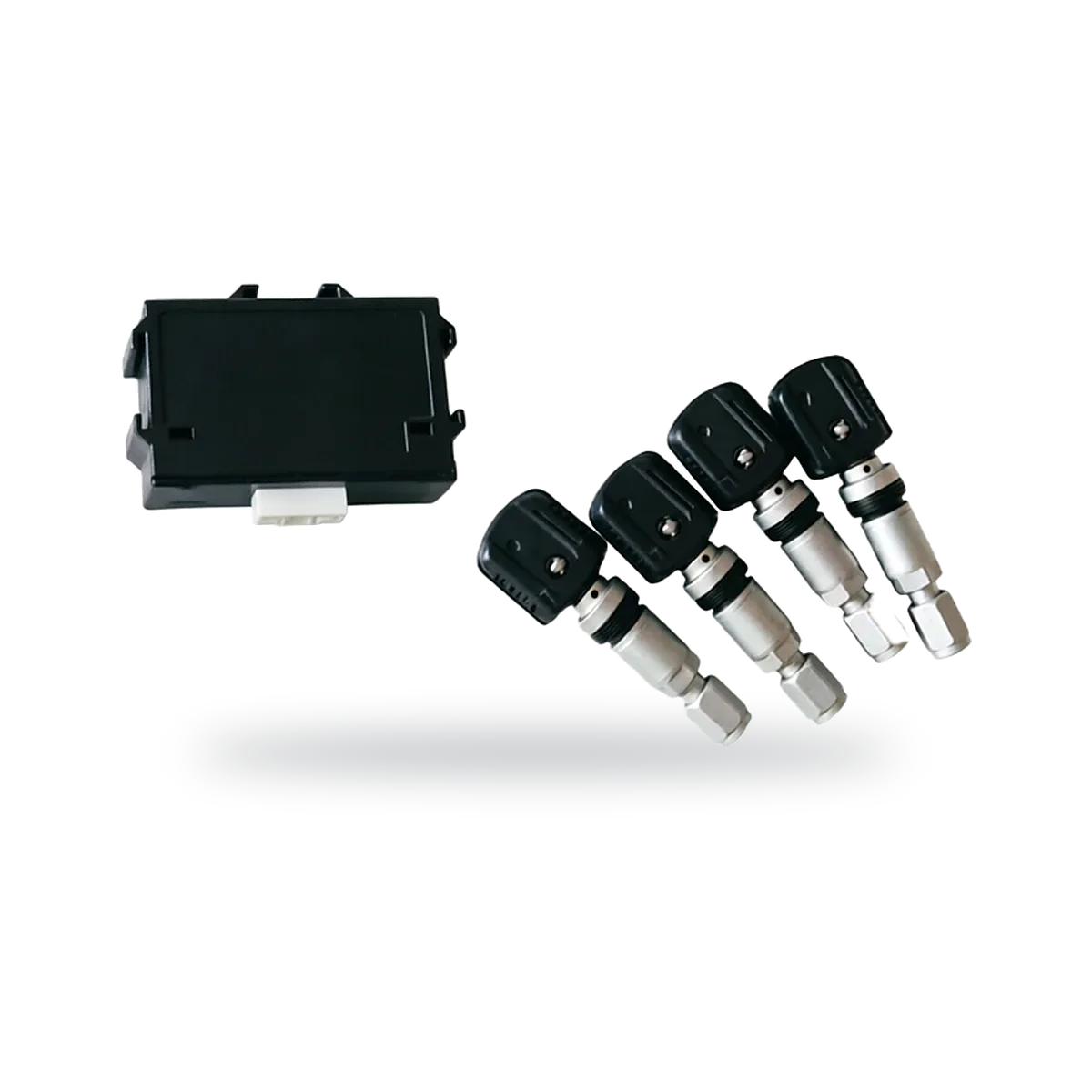
Direct TPMS puts a battery-powered pressure and temperature sensor in each wheel that transmits readings by radio. Indirect TPMS has no wheel sensors; it compares wheel speeds from the ABS to detect a tire that is rolling faster because it is under-inflated. Direct systems report the actual pressure of each tire.
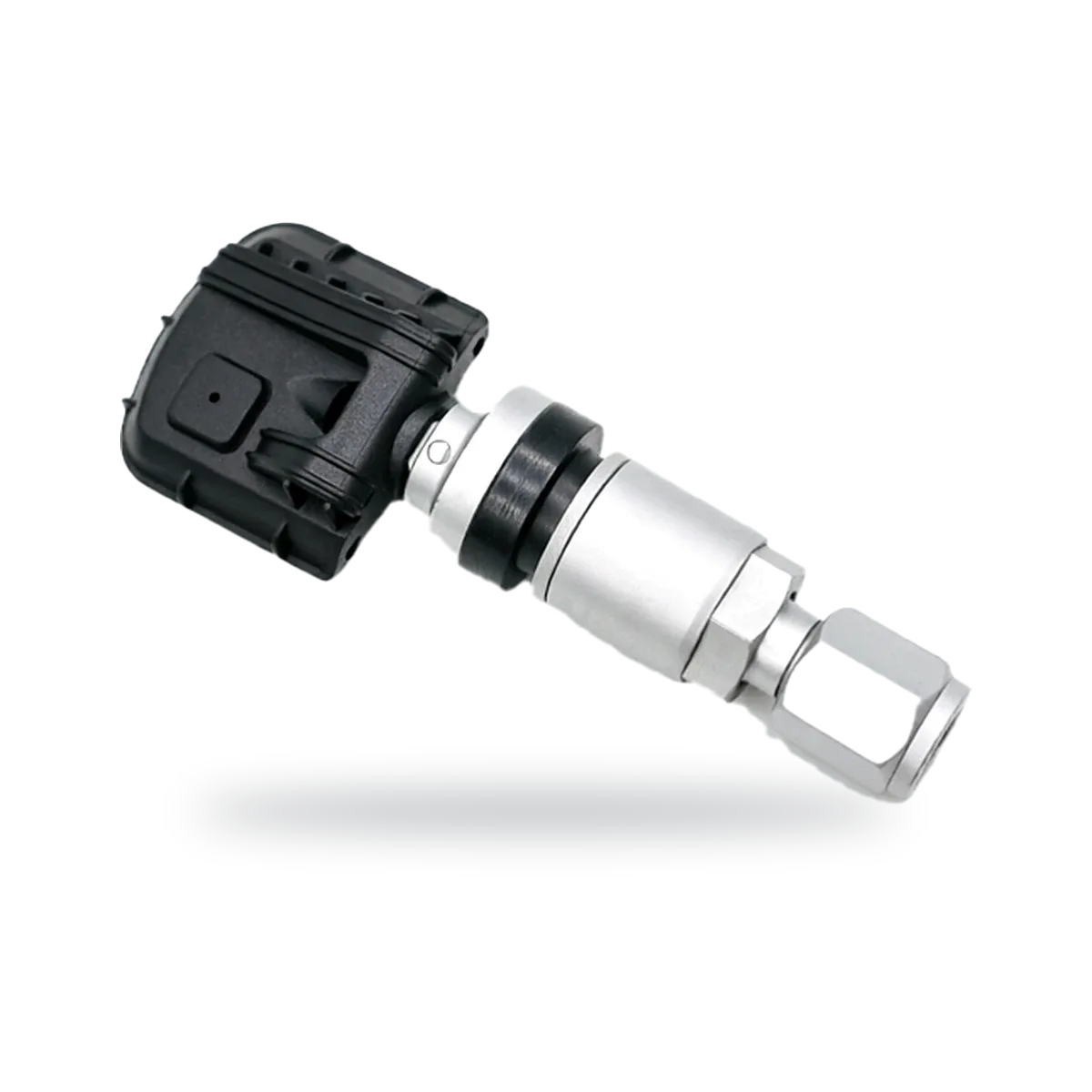
Inside a direct TPMS sensor
- MEMS pressure sensor and temperature sensor
- Low-power microcontroller and motion detection
- RF transmitter at a regional frequency, commonly 315 MHz or 433.92 MHz
- Long-life battery sealed in the housing
Internal or external sensors
Internal sensors mount on the valve inside the tire and are protected from theft and weather; fitting needs a tire service. External cap sensors screw onto the valve stem and are fitted in minutes, which makes them popular for aftermarket kits.
Displays
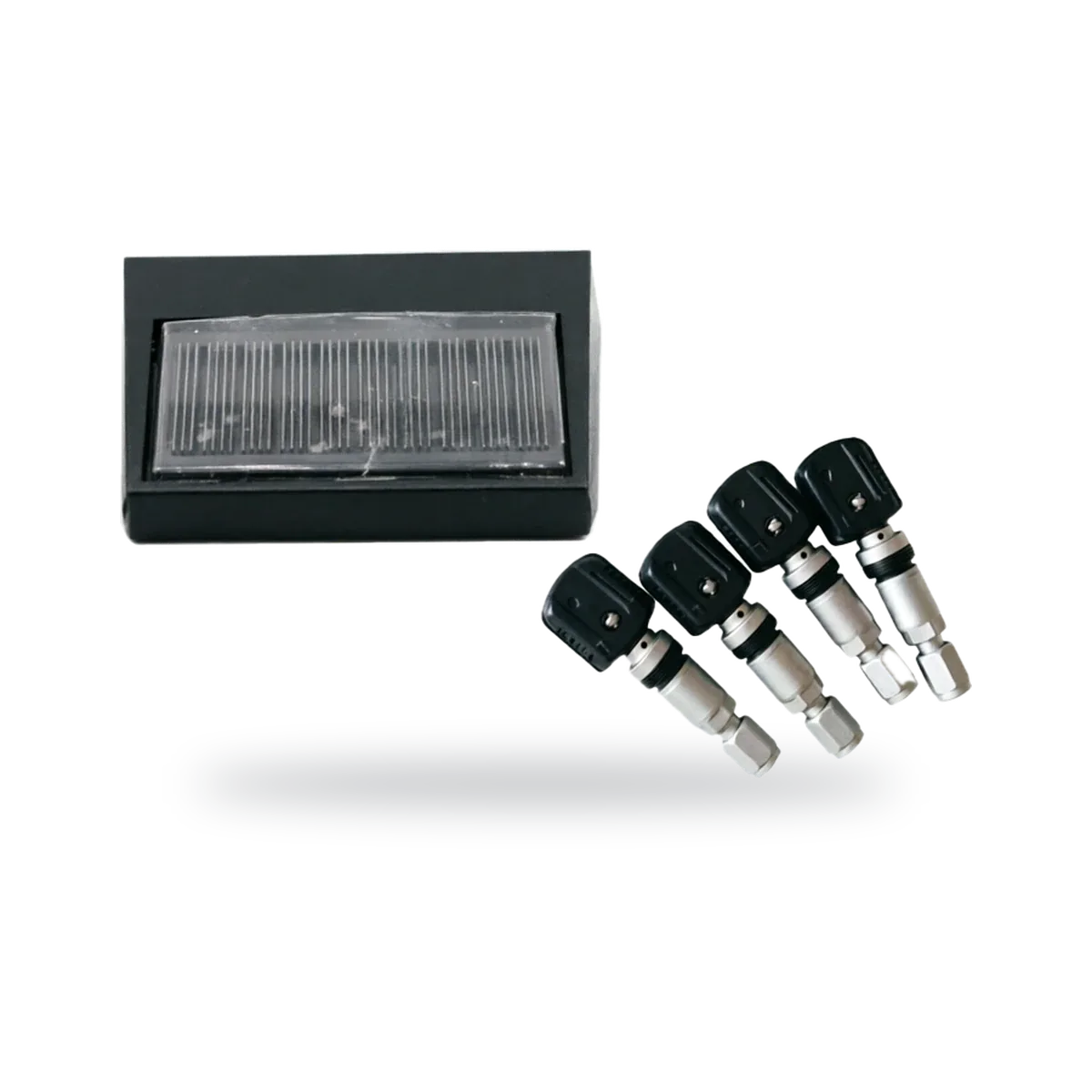
Kits use a dashboard display or a solar-powered unit, or send data to a phone or the vehicle head unit. A solar display charges from daylight and needs no wiring.
What to check
- Pressure range for the vehicle: cars, SUVs, trucks or motorcycles
- Radio frequency approved in your country
- Alarm thresholds for low pressure, fast leak and high temperature
- Battery life and whether the battery can be replaced
Frequently asked questions
What is a solar TPMS?
A solar TPMS is a tire pressure monitoring kit whose display charges from daylight through a solar panel, so it needs no wiring to the vehicle. DWIN's Solar TPMS works with external or internal sensors, tracks pressure and temperature on all four tires, and alerts on high or low pressure, high temperature, rapid air loss and low battery.
What does the TPMS warning light mean?
A steady TPMS light means at least one tire is significantly under-inflated; in the United States, systems must warn when a tire falls 25% or more below the recommended cold pressure. A light that flashes for about a minute at start-up and then stays on usually signals a system fault, such as a sensor with a dead battery. Check all tire pressures with a gauge first.
How long do TPMS sensor batteries last?
Batteries in direct TPMS sensors usually last several years, depending on how often the sensor transmits and on temperature. In most internal sensors the battery is sealed in, so the whole sensor is replaced when it runs down. External cap sensors usually have replaceable batteries.
Do TPMS sensors need to be re-paired after a tire rotation?
If the system shows the pressure of each wheel position, yes: after rotating tires or swapping a sensor, the display has to learn which sensor sits on which wheel, following the kit's pairing or relearn procedure. Systems that only give a general low-pressure warning do not need it.