Parking sensors explained: ultrasonic PDC, radar and cameras
DWIN Engineering, , 4 min read
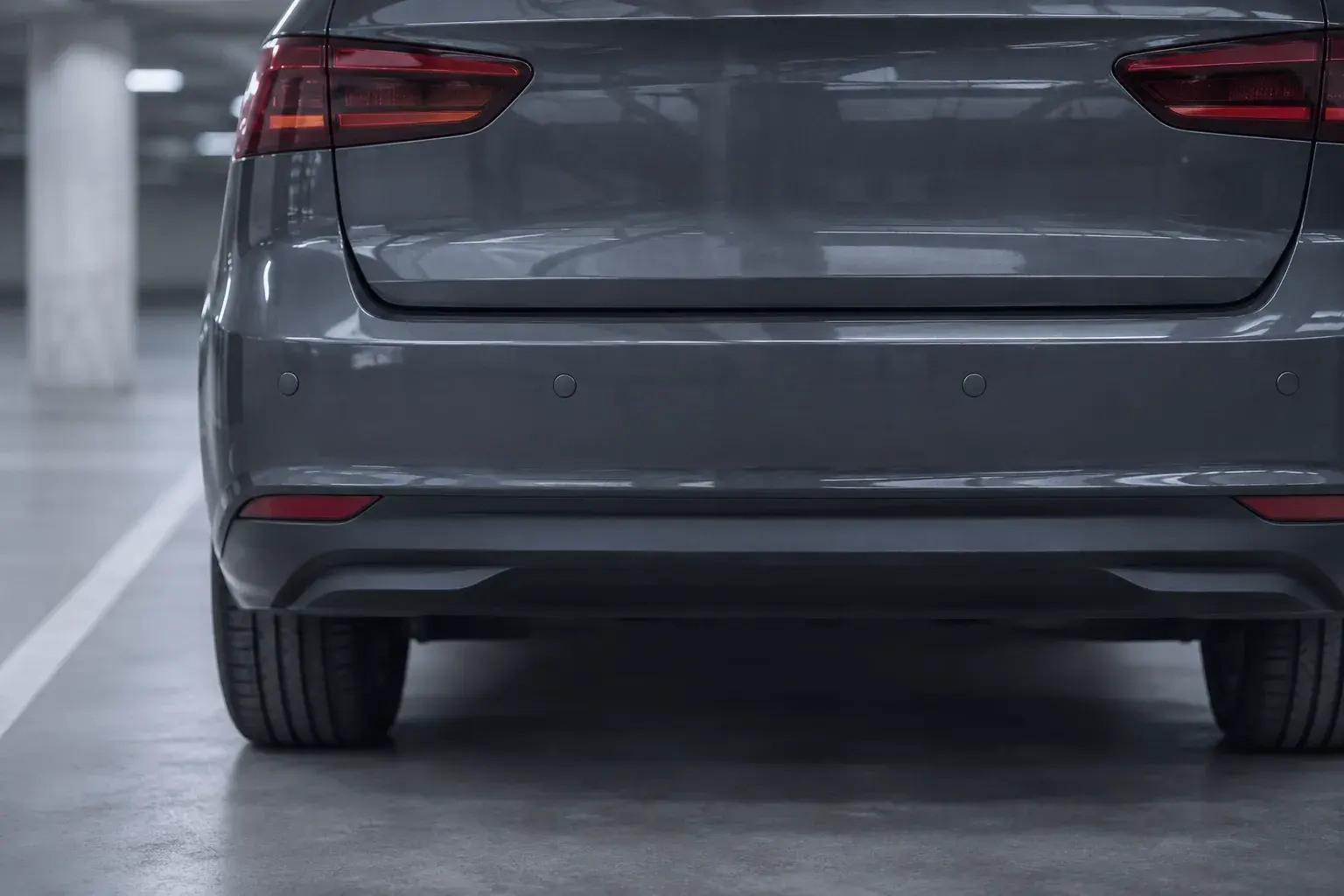
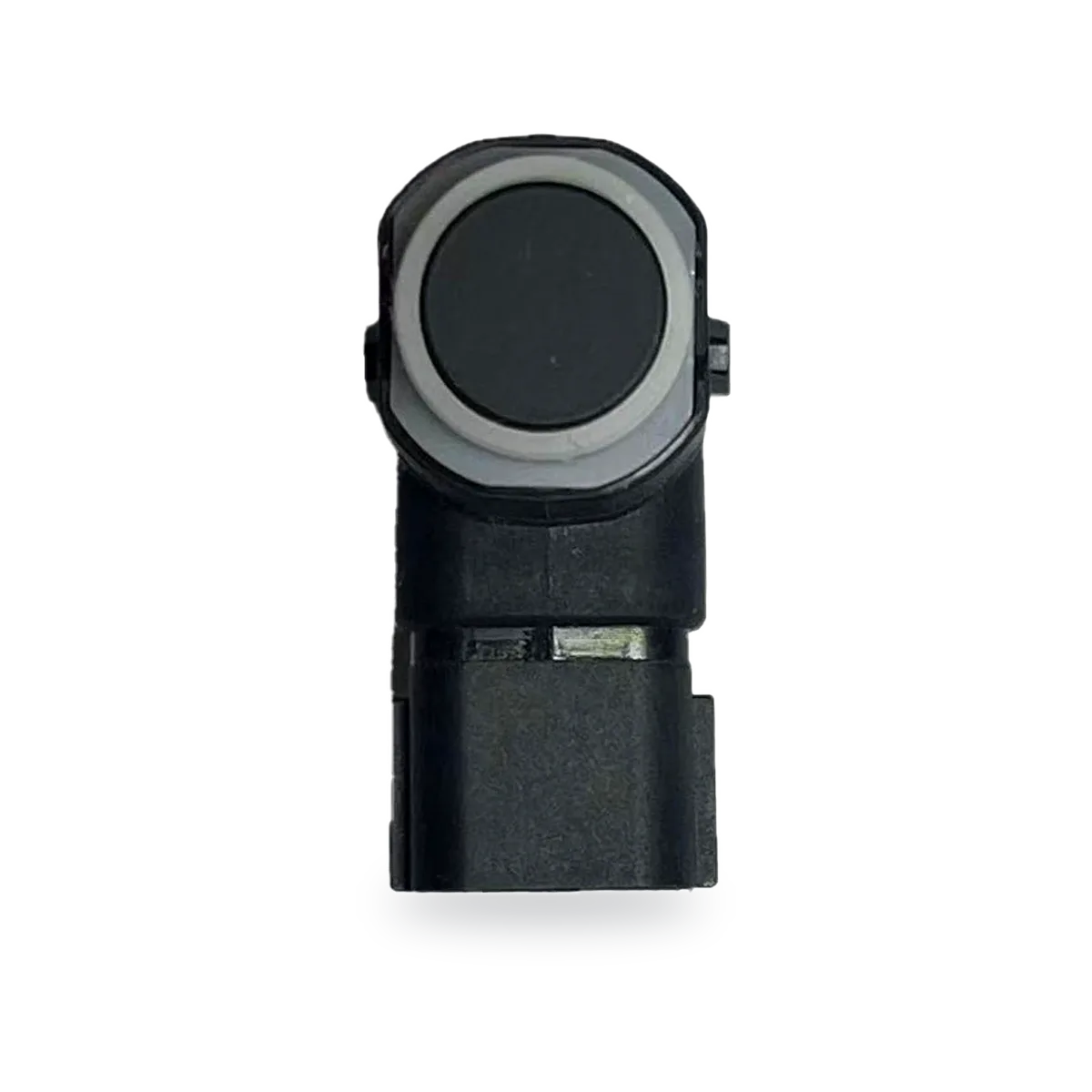
Most parking sensors, also called PDC (park distance control), are ultrasonic: small transducers in the bumper send ultrasonic pulses and time the echoes to find how far an obstacle is. Radar covers longer ranges and moving targets, such as blind spots and door-opening warnings, while cameras show the scene. Many vehicles use all three.
How ultrasonic parking sensors work
Each sensor is a sealed transducer flush with the bumper. It vibrates at an ultrasonic frequency for a moment, then listens. The echo time gives the distance to the nearest obstacle in its field. A controller fires the sensors in sequence and combines their readings, so it can tell where an obstacle is across the bumper, and the driver hears faster beeps or sees a closer zone on the display as the vehicle approaches.
LIN-bus and hostless sensors
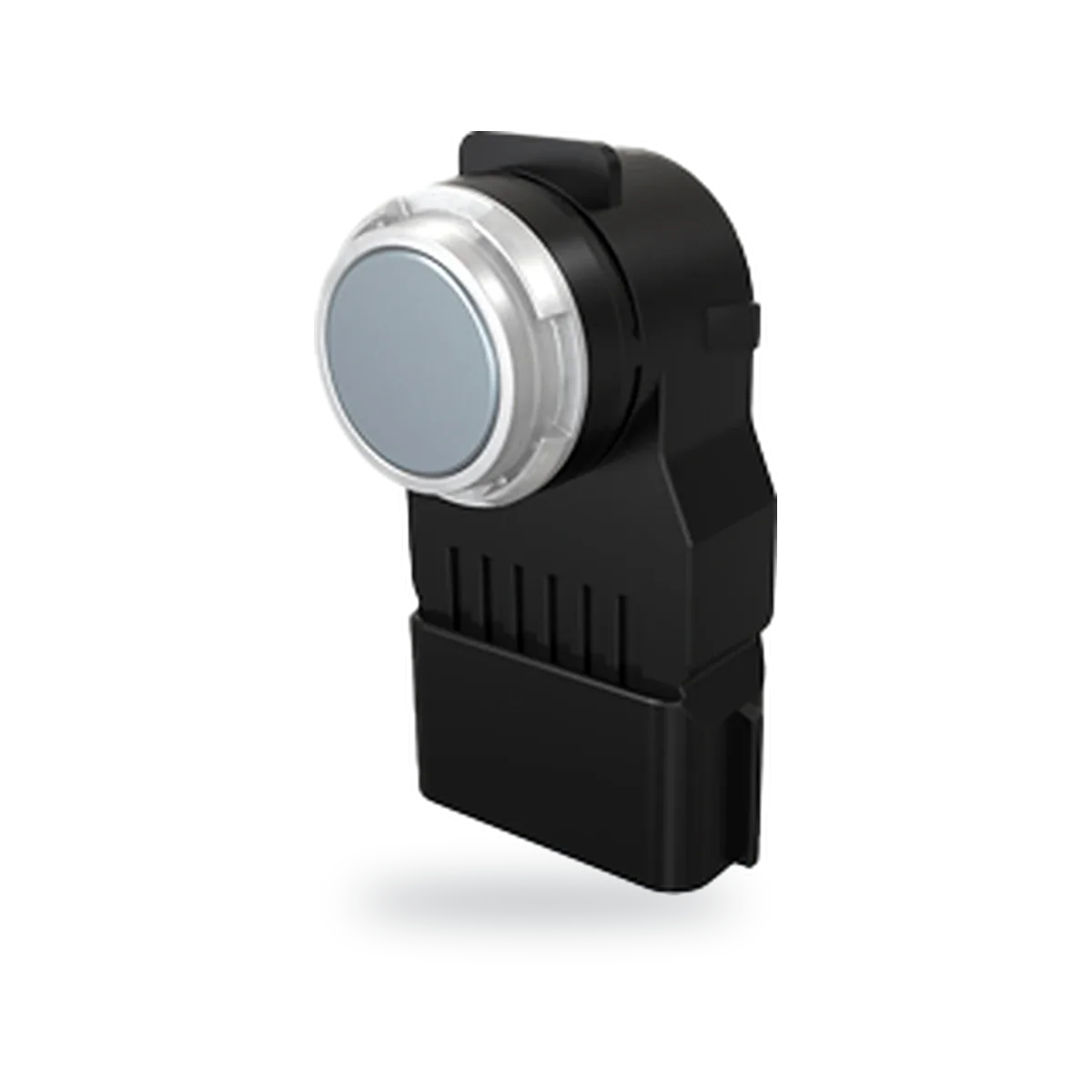
In OEM park assist, sensors share a LIN bus with the controller, which configures them and reads diagnostics. Hostless sensors carry their own processing, so a small system works without a separate parking ECU. Automated parking systems use more sensors with longer range to measure parking spaces as the vehicle drives past.
Where radar and cameras fit
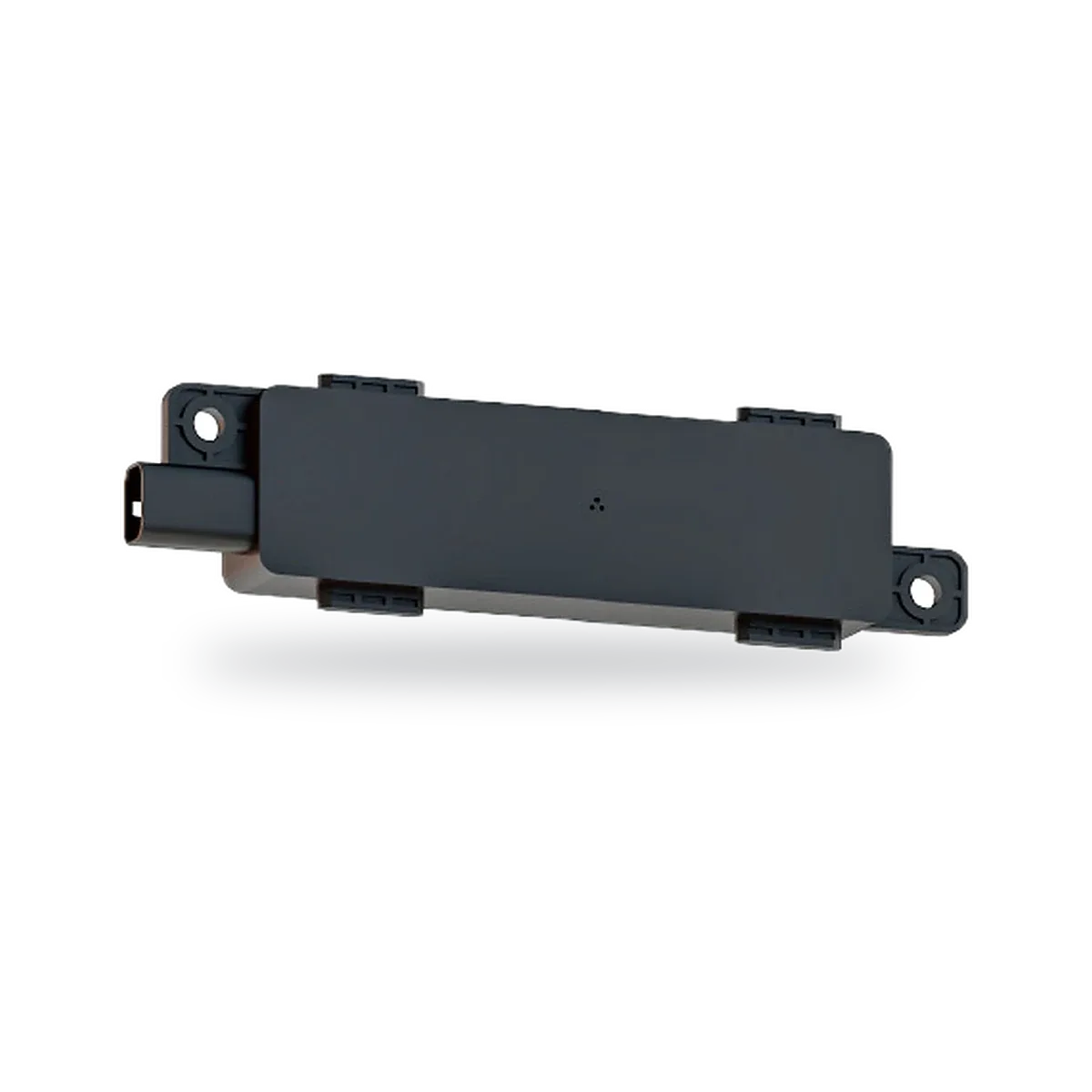
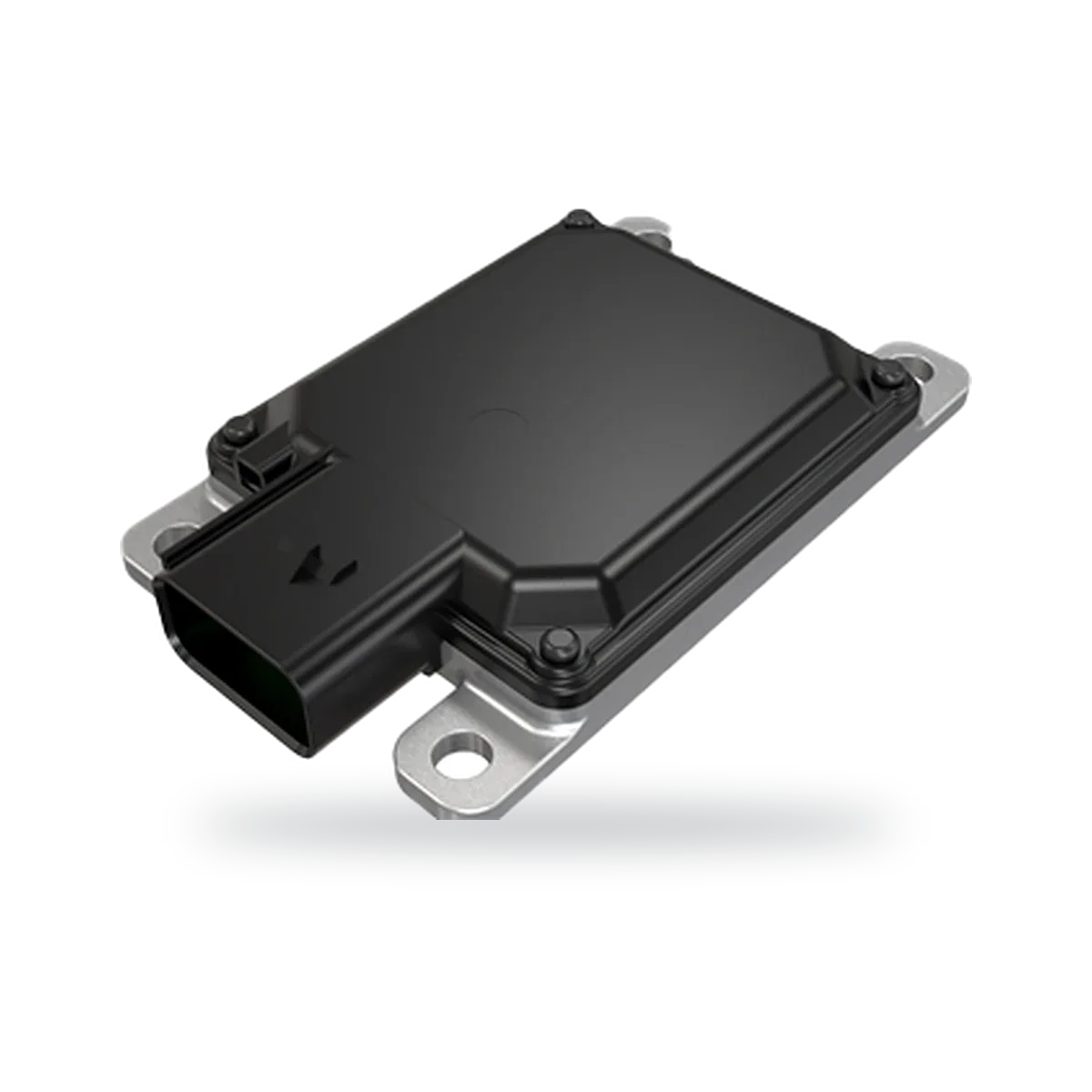
Ultrasonic sensors are best at short range and low speed. mmWave radar sees farther and measures speed directly, so it handles blind spot detection, rear cross traffic and door-opening warnings. Cameras let the driver see the space but do not measure distance by themselves.
What to check when specifying
- Number of sensors and their positions on the bumper
- Horizontal and vertical detection angles for the mounting height
- Interface: LIN, hostless, or a kit with its own controller
- Bezel and housing colour to match the paint, and the operating voltage of the vehicle
Frequently asked questions
How far can parking sensors detect?
Ultrasonic parking sensors are short-range devices: they typically start warning at about 1 to 2.5 m from the bumper, with corner sensors covering less. The exact range depends on the sensor, its mounting height and angle, and the shape of the obstacle. Radar covers longer distances, such as blind spots and approaching traffic.
Do parking sensors work in rain and snow?
Light rain has little effect, but a layer of water, ice, snow or mud on the sensor face can block it or cause false warnings. Keep the sensors clean and free of ice. Some systems detect a blocked sensor and warn the driver.
Can parking sensors be added to any car?
Most cars can take an aftermarket kit: sensors are fitted into holes drilled in the bumper and wired to a controller with a buzzer or display. Hostless sensors, such as DWIN's LIN hostless ultrasonic parking sensor, carry their own processing and need no separate ECU, running from a 12 to 24 V supply.