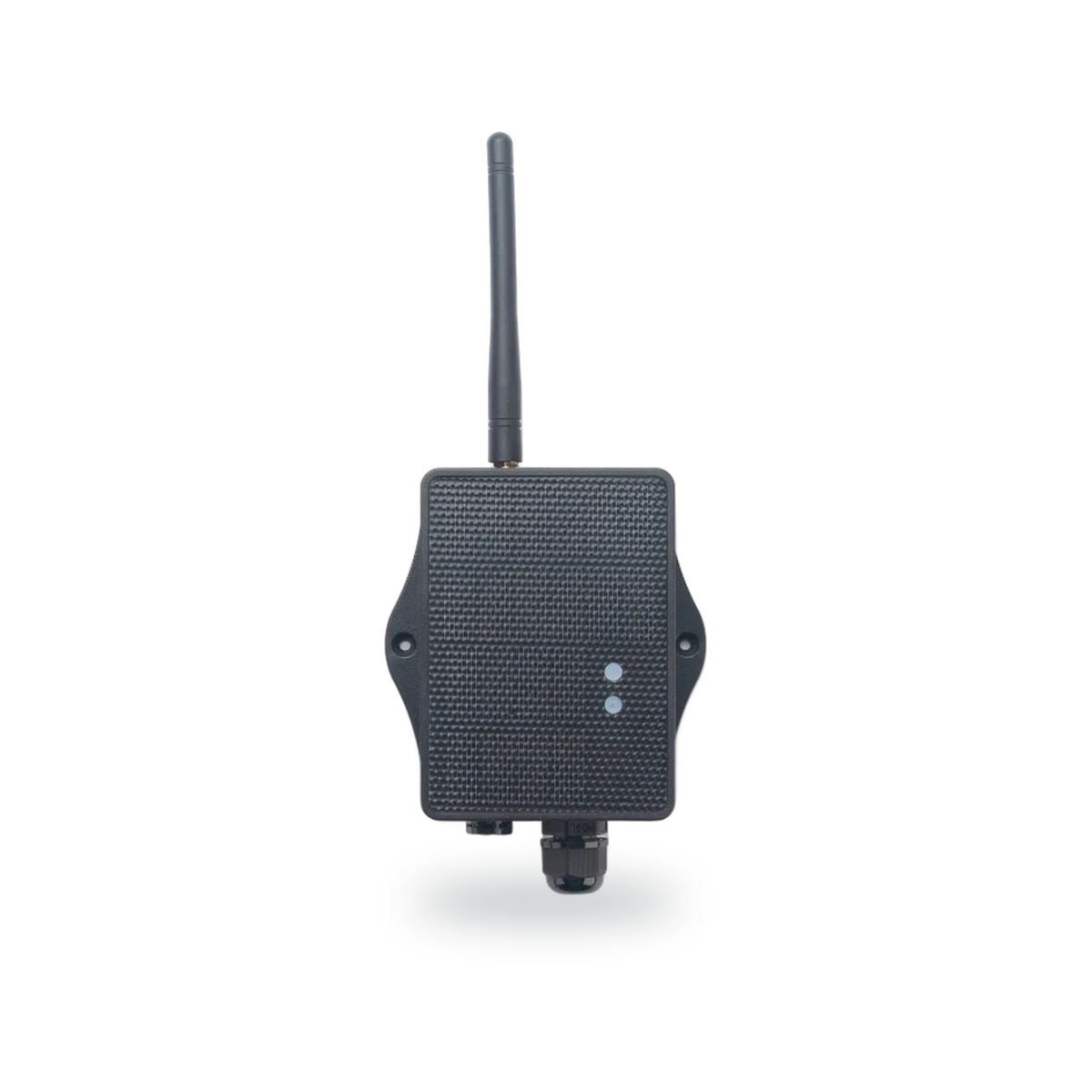
DW-IO
Wireless Analog Sensor Node, LoRaWAN, NB-IoT or LTE-M
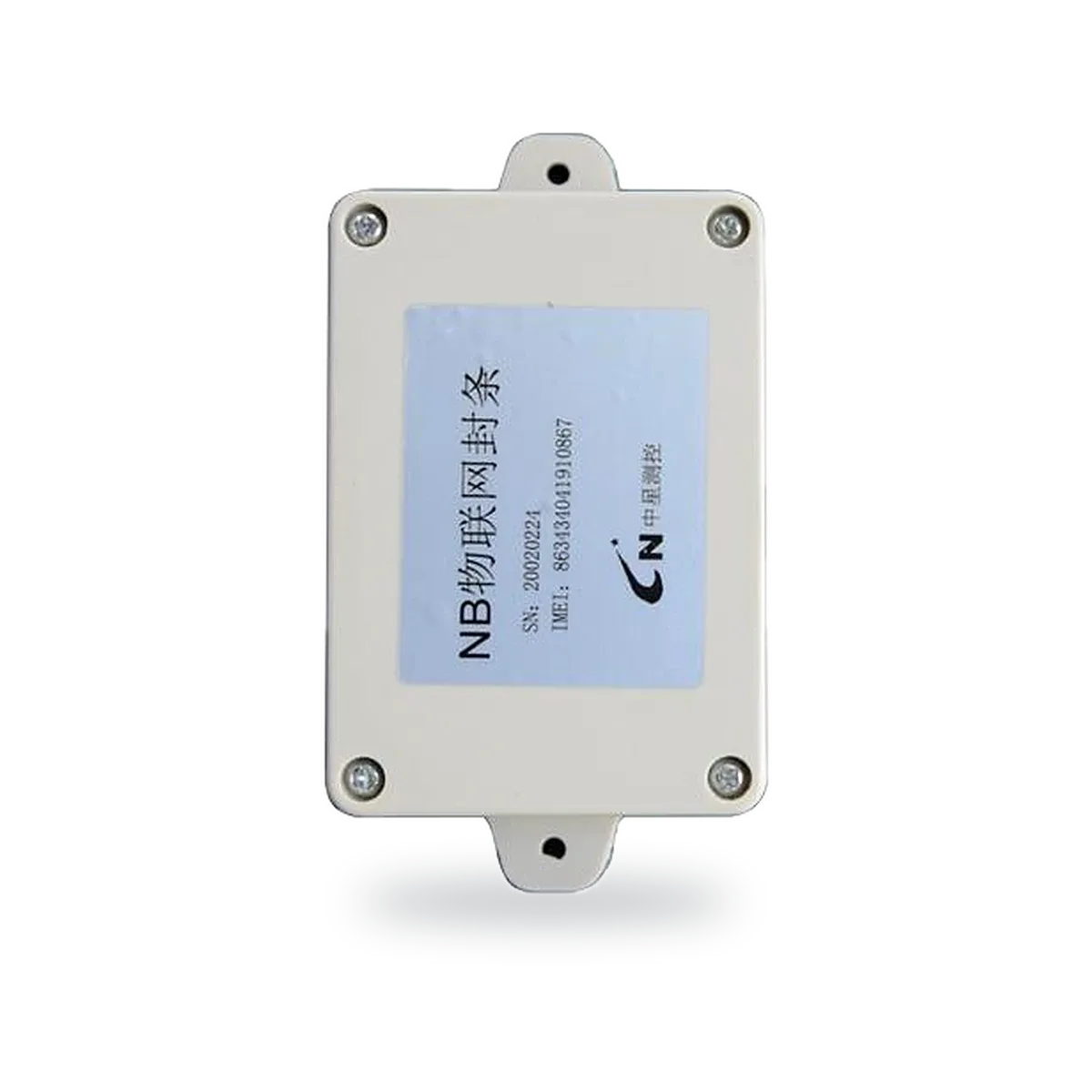
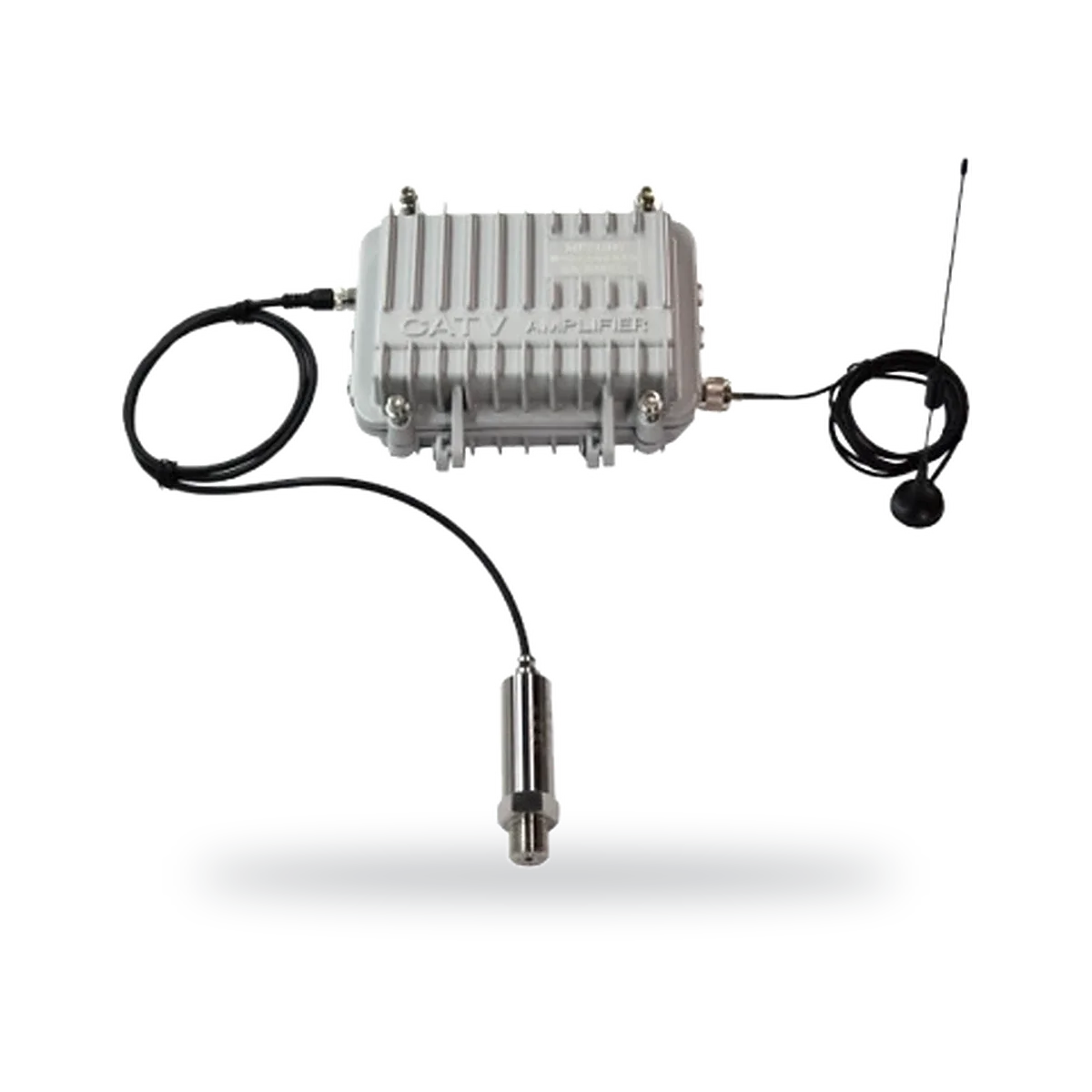
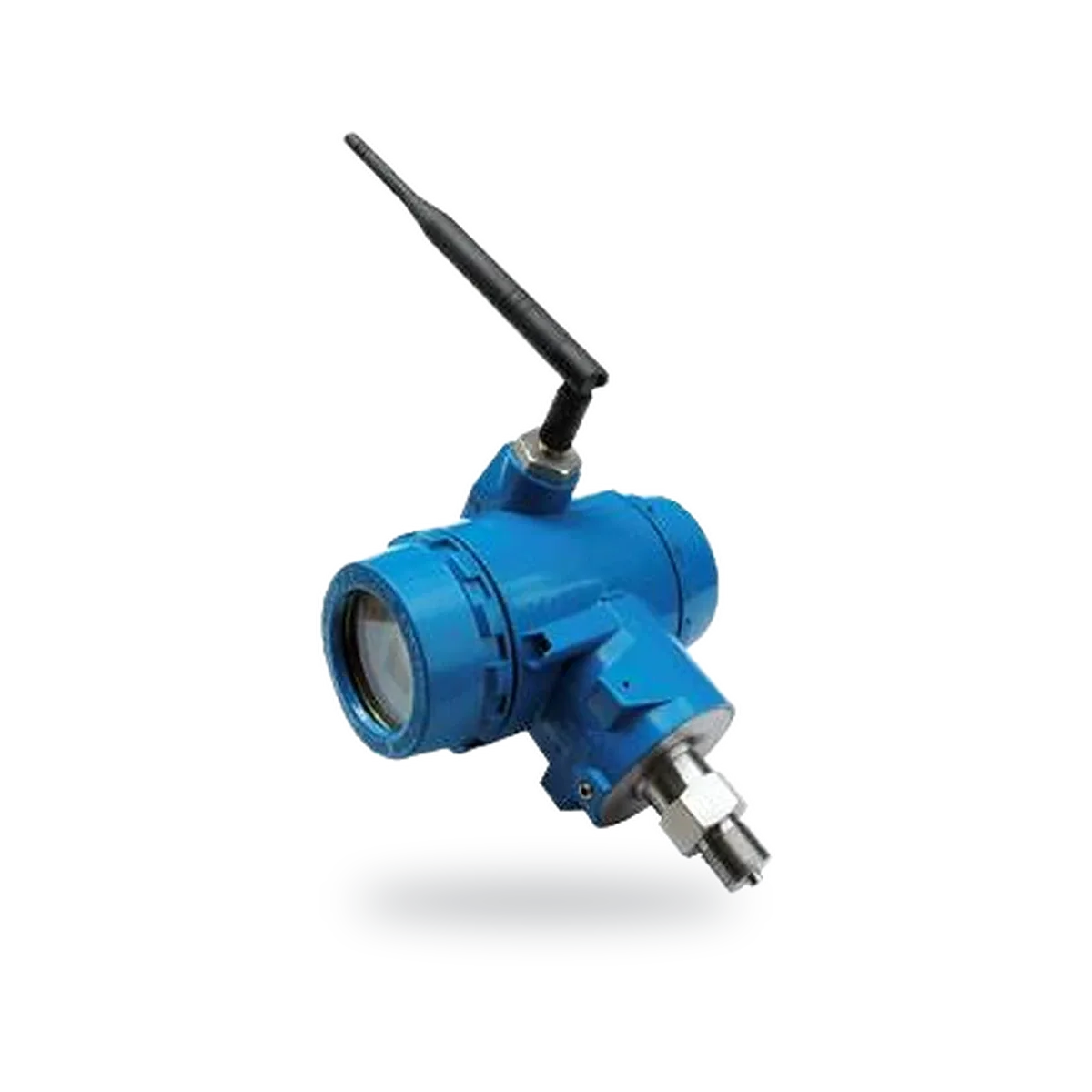
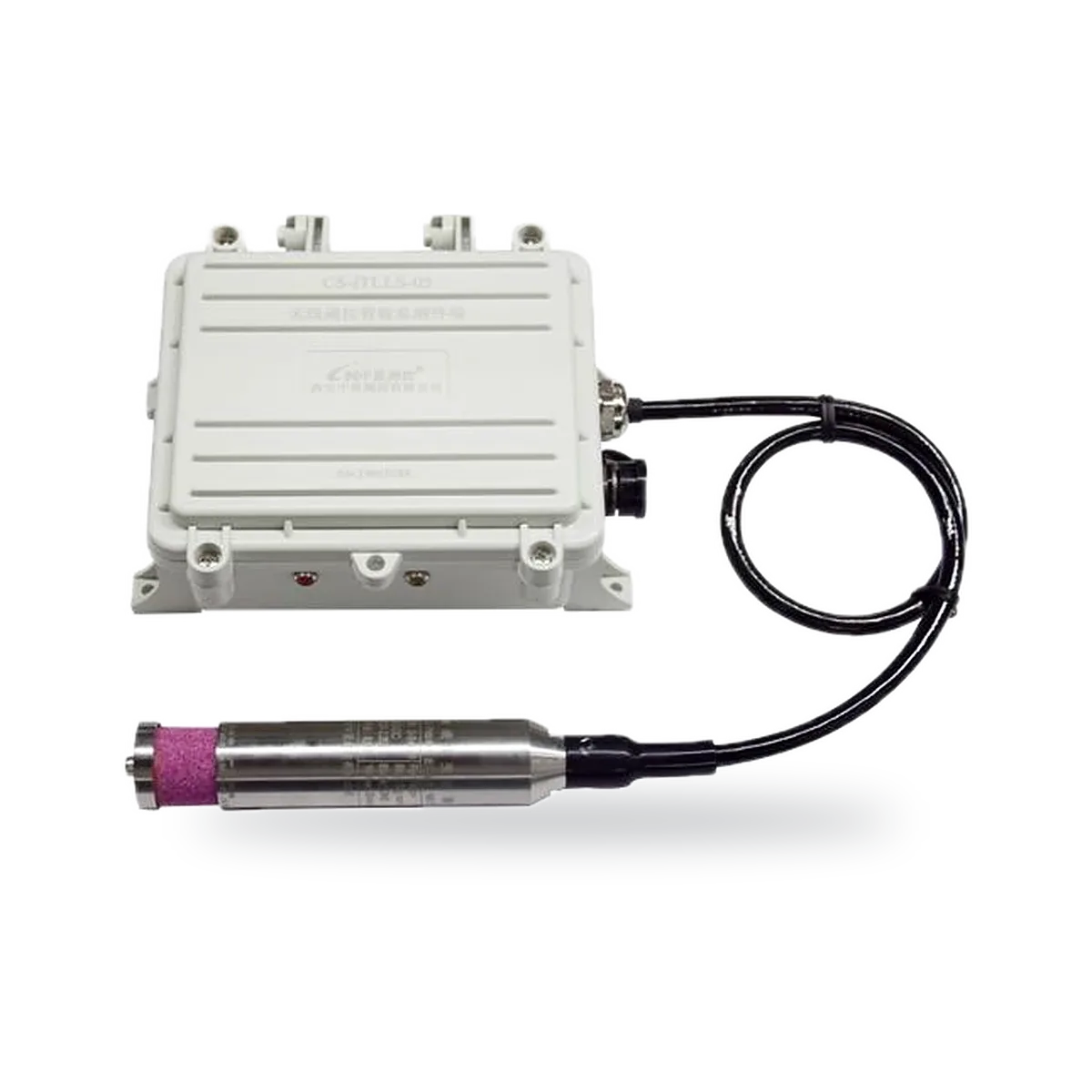
Battery-powered wireless node that powers a sensor with a 4–20 mA or 0–30 V output, such as a pressure or level transmitter, and sends its reading over LoRaWAN, NB-IoT or LTE-M, running on an 8500 mAh lithium battery or, in the LoRaWAN version, on solar power.
- Communication mode
- LoRaWAN, NB-IoT or LTE-M
- Input standard signal
- 0–20 mA and 0–30 V
- Power supply
- 8500 mAh battery or solar
Features
- One 0–20 mA input and one 0–30 V input
- Controllable 5 V and 12 V outputs to power the external sensor
- LoRaWAN 1.0.3 Class A, or NB-IoT and LTE-M (Cat-M1)
- 8500 mAh Li-SOCl2 battery; LoRaWAN version also with solar panel and Li-ion battery
- Bluetooth 5.1 configuration and wireless firmware update
- Cellular uplink via MQTT, MQTTs, UDP, TCP or CoAP
Typical applications
Full specifications
PDF DW-IO Datasheet| Wireless | |
|---|---|
| Communication mode | LoRaWAN (LoRaWAN version); NB-IoT and LTE-M Cat-M1 (cellular version) |
| Working frequency band (LoRaWAN) | CN470 / EU433 / KR920 / US915 / EU868 / AS923 / AU915 / IN865 |
| Maximum RF output power | +22 dBm (LoRaWAN) |
| Receiver sensitivity | Down to −139 dBm (LoRaWAN) |
| Working frequency band (NB-IoT) | B1/B2/B3/B4/B5/B8/B12/B13/B18/B19/B20/B25/B28/B66/B71/B85 |
| Wireless bands (CAT-M1) | B1/B2/B3/B4/B5/B8/B12/B13/B18/B19/B20/B25/B26/B27/B28/B66/B85 |
| Network protocol | LoRaWAN 1.0.3 Class A, OTAA (LoRaWAN); MQTT, MQTTs, UDP, TCP or CoAP (cellular) |
| Antenna | External antenna |
| Performance | |
| Input standard signal | 1 × 0–20 mA, 1 × 0–30 V |
| Measurement accuracy | 0.02 mA (current input); 0.02 V (voltage input) |
| Resolution | 0.001 mA (current input); 0.001 V (voltage input) |
| Output | |
| Sensor power output | Controllable 5 V and 12 V outputs; external sensor current < 1 A |
| Electrical | |
| Power supply | 8500 mAh Li-SOCl2 battery (non-rechargeable); LoRaWAN solar version: solar panel + 3000 mAh Li-ion battery |
| Sleep current | 5 µA at 3.3 V (LoRaWAN); 10 µA at 3.3 V (cellular, stop mode) |
| Maximum working current (LoRaWAN) | 125 mA at 20 dBm; 82 mA at 14 dBm |
| Maximum working current (NB-IoT) | 350 mA at 3.3 V (maximum transmit power) |
| Wireless | |
| Configuration | Bluetooth 5.1 and AT commands; LoRaWAN downlink; wireless firmware update |
| Mechanical | |
| Cable entry | M12, M16 or M20 cable gland hole (to order) |
| Environmental | |
| Operating temperature | −40 to +85 °C |
| Ingress protection | IP66 (NB-IoT/LTE-M version) |
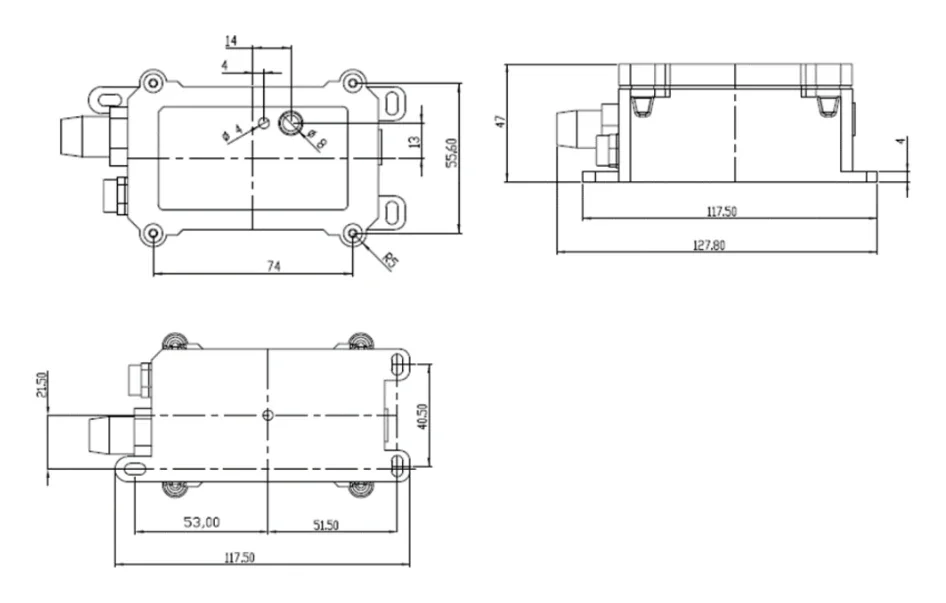
Dimensions and wiring
Questions about the DW-IO
How accurate is the DW-IO?
The DW-IO (Wireless Analog Sensor Node) is specified with an accuracy of 0.02 mA (current input); 0.02 V (voltage input).
What is the IP rating of the DW-IO?
The DW-IO (Wireless Analog Sensor Node) has an ingress protection rating of IP66 (NB-IoT/LTE-M version).
What supply voltage does the DW-IO need?
The DW-IO (Wireless Analog Sensor Node) is powered by 8500 mAh Li-SOCl2 battery (non-rechargeable); LoRaWAN solar version: solar panel + 3000 mAh Li-ion battery.
What is the communication mode of the DW-IO?
The DW-IO (Wireless Analog Sensor Node) is specified with a communication mode of LoRaWAN, NB-IoT or LTE-M.
What is the DW-IO used for?
The DW-IO (Wireless Analog Sensor Node) is typically used for pressure and level transmitters, flow meters, temperature probes, water quality analysers, and smart agriculture.
Where can I get the DW-IO datasheet?
The DW-IO datasheet is a free PDF on this page, with the full specification table. For drawings in CAD format or a custom version, contact DWIN sales.
Does DWIN offer OEM or custom versions of the DW-IO?
Yes. DWIN adapts the DW-IO from its existing design: housing and mounting, cable and connector, interface and protocol, firmware and range. Engineering confirms feasibility, then DWIN builds samples for your tests before series production.
How do I get a quote or samples of the DW-IO?
Use the quote form on this page or email xyx@gzdwin.com with the DW-IO, your quantity, application and destination country. DWIN sales replies with pricing, lead time and sample availability.